
 |


| Quantity: | |
|---|---|
Australia
Freight Shipping From China to Australia
The biggest pitfall on this route is underestimating how quickly costs and timelines can fluctuate when shipping from China to Australia. You’ll see it firsthand when a rate expires, a port gets congested, or customs demand a missing detail.
If you’re exploring China Shipping options from China to Australia, chances are you’re looking to finalize a budget, establish a timeline, or set up a dependable logistics process that avoids unwelcome surprises. This guide is designed to help you with exactly that, offering clear advice on transport modes, transit times, duties, and customs based on real-world insights.
From experience, once you identify common areas where issues arise, it becomes much simpler to choose the best setup for your needs. And if you ever want an expert opinion, we’re here to double-check your plan or manage your shipment from start to finish.
Sea Freight from China to Australia
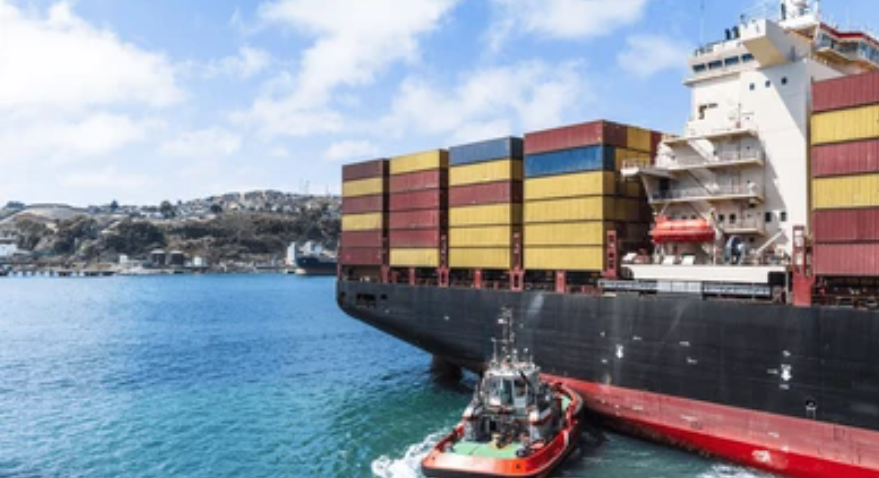
China Shipping by sea freight is one of the most cost-effective solutions for transporting large-volume cargo from China to Australia. It is widely used for shipping consumer goods, machinery, industrial equipment, and containerized cargo. While transit times are longer than air freight, sea shipping offers significant savings for businesses planning ahead.
However, factors such as port selection, shipping schedules, and customs procedures can affect delivery efficiency and overall logistics costs. Experienced China Shipping providers can also help businesses reduce delays, avoid unnecessary charges, and improve shipping efficiency.
For businesses prioritizing affordability over speed, sea freight remains the most practical and reliable shipping option from China to Australia.
Main Ports in China
Port of Shanghai
China’s busiest and most important container port, ideal for cargo from East China. It offers extensive global shipping routes, stable schedules, and strong FCL capacity.
Port of Ningbo-Zhoushan
Located near Shanghai, this port is widely used for manufacturing exports and large-volume cargo, with competitive freight rates and efficient operations.
Port of Shenzhen
A major export hub in South China, especially suitable for electronics, e-commerce products, and high-value goods.
Port of Guangzhou
One of the key logistics gateways in southern China, commonly used for general cargo, machinery, and consolidated shipments.
Port of Qingdao
A strategic port in North China, often used for industrial equipment, machinery, and agricultural products.
Port of Tianjin
The main northern gateway serving Beijing and surrounding industrial regions, suitable for exports from North and Central China.
Main Ports in Australia
Port of Sydney
Australia’s largest container destination, widely used for imports and distribution across New South Wales.
Port of Melbourne
The country’s busiest container port, offering strong logistics infrastructure and connections throughout southeastern Australia.
Port of Brisbane
An important gateway for Queensland cargo, providing efficient handling for both containerized and bulk shipments.
Port of Fremantle
The primary port serving Western Australia, commonly used for cargo destined for Perth and nearby regions.
Port of Adelaide
A key logistics hub in South Australia, suitable for industrial cargo and domestic distribution.
Port of Darwin
Located in northern Australia, this port supports trade routes connecting Australia with Asia and nearby regional markets.
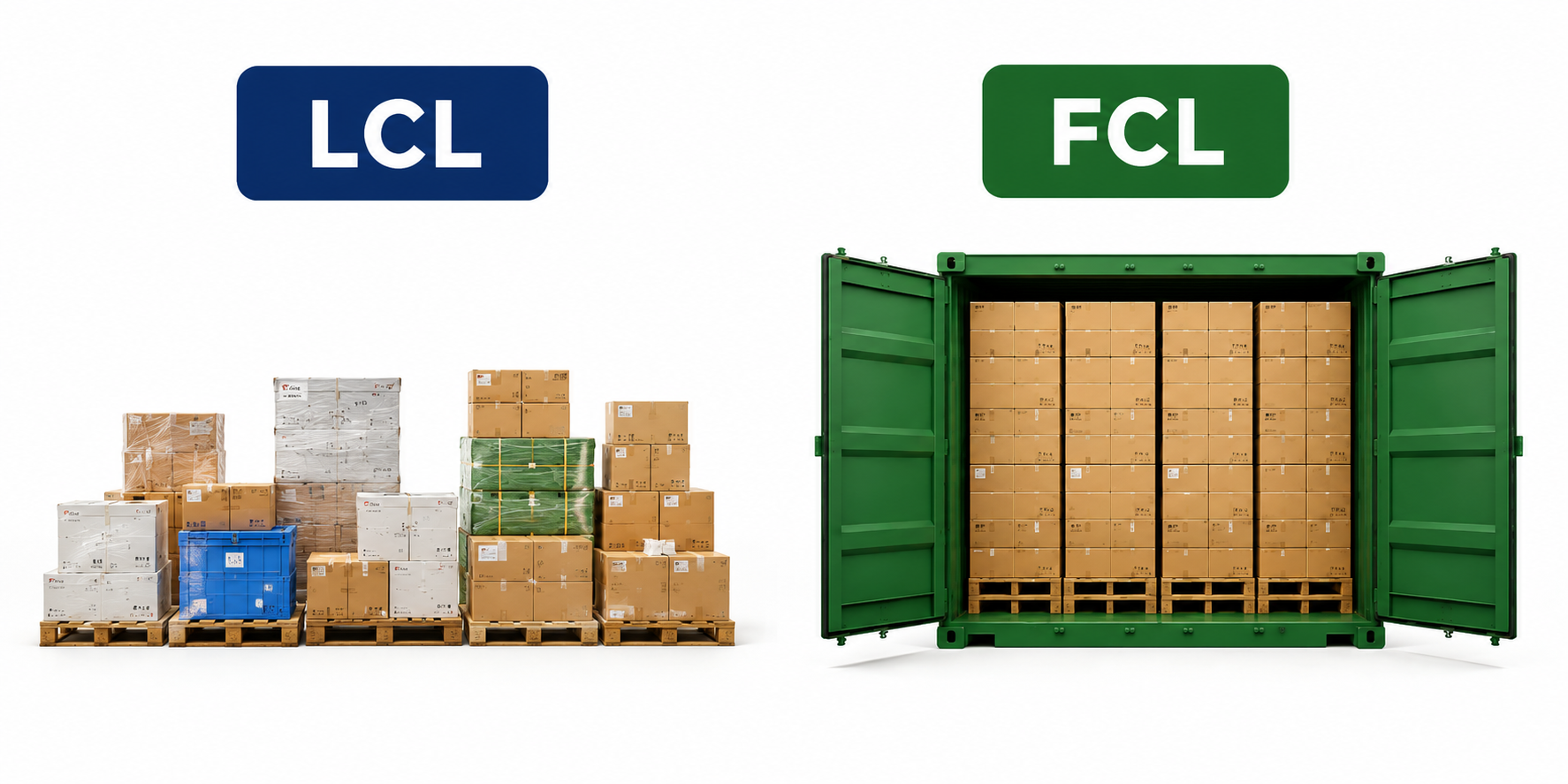
When shipping from China to Australia, the choice between FCL (Full Container Load) and LCL (Less than Container Load) is crucial for optimizing your logistics strategy. This decision impacts cost, transit time, and overall China Shipping efficiency when importing goods into Australia.
Should I Choose FCL or LCL for Shipping From China to Australia?
LCL: Less than Container Load
Definition: LCL involves sharing container space with shipments from multiple shippers. It’s suited for lower cargo volumes, typically under 13 to 15 cubic meters (CBM).
Choose LCL when you’re transporting smaller loads and don’t require a full container.
Example: A company importing a small quantity of specialty wood for furniture manufacturing in Perth may opt for LCL to avoid paying for unused container space.
While there are extra fees for consolidating and deconsolidating shipments, LCL is generally more cost-efficient for smaller volumes. You save money by utilizing shared space rather than paying for an underutilized container.
FCL: Full Container Load
Definition: FCL uses the entire container, dedicated to one shipper’s cargo. Containers come in sizes like 20’ft and 40’ft, and the shipment remains sealed from origin to destination for added security. FCL is ideal for larger shipments exceeding 13 to 15 CBM.
Example: Shipping furniture from Shanghai to Sydney that nearly fills or fully occupies a 40’ft container would make FCL the better option, ensuring minimal handling and reduced risk of damage.
FCL offers a fixed cost for the whole container, making it more competitive per unit for high-volume shipments. However, smaller-scale shipments may incur unnecessary costs due to unused space.
If your shipment is smaller and doesn’t justify the expense of a full container, LCL is the practical, cost-effective choice. For larger volumes that can fill most or all of a container, FCL proves to be more economical and secure. Evaluate your shipment size, budget, and delivery timeline to decide which method best serves your business objectives.
How long does sea freight take From China to Australia ?
Shipping time from China to Australia depends on various factors such as the specific port pair, type of service, and potential disruptions. Below is a general estimate for container shipping to help with planning:
Departure Port (China) | Destination Port (Australia) | Transit Time | Shipping Type |
Shanghai | Sydney | 18–22 days | FCL |
Ningbo | Melbourne | 20–24 days | FCL |
Shenzhen | Brisbane | 18–23 days | FCL |
Qingdao | Fremantle | 22–26 days | FCL |
Multiple China Origins | Major Australian Ports | 22–37 days | LCL |
Keep in mind that these are estimates rather than guarantees. Delays due to port congestion in Australia, transshipment, or LCL consolidation are common variables. Additionally, peak periods like Chinese New Year or the pre-Christmas rush may extend lead times. To maintain predictability, it’s advisable to include buffer days in your schedule.
How much does it cost to ship a container from China to Australia?
It's important to note that ocean freight rates do not represent the total shipping cost. Various factors, including equipment availability, specific port combinations, seasonal fluctuations, and destination charges in Australia, can significantly impact pricing. Two quotes with the same base rate may result in substantially different overall costs.
Shipping Rates from China to Australia:
LCL (1–5 CBM): USD 80–150 per CBM
20ft container (FCL): USD 1,200–2,500
40ft container (FCL): USD 2,000–4,500
Air freight from China to Australia
Air freight from China to Australia is a practical choice when time is a critical factor outweighing cost considerations. It’s especially useful for high-value goods, urgent restocking, samples, or shipments tied to launches or strict deadlines. However, if your cargo is bulky, low-density, or if timing has more flexibility, costs can escalate rapidly.
There are some nuances about air freight that are often overlooked. It’s not always as quick as “three days,” pricing factors go beyond just gross weight, and poor preparation can significantly increase expenses. Common errors like underestimating chargeable weight, having cartons rejected due to improper documentation, or incomplete paperwork delaying the Air Waybill (AWB) can quickly complicate matters. While air freight offers speed, it leaves little room for error.
Is Air Cargo the Right Choice From China to Australia ?
Air freight from China to Australia is typically viable for shipments that start at 1 cubic meter (CBM) or weigh between 100–150 kg (220–330 lbs). It’s particularly ideal for B2B transactions, airport-to-airport shipping, and when you need more control over costs and delivery processes.
This option works best if you’ve prepared key details in advance: proper dimensions, accurate weight, Incoterms (International Commercial Terms), the origin airport, the shipment's ready date, and type of cargo. Missing any of these details can lead to complications at the shipping cut-off or during export handling at the origin airport.
One common misconception is that air freight is door-to-door by default—it’s not. You need to account for additional steps such as cargo screening, minimum handling charges at the origin airport, and import procedures at the destination airport. When all these stages are well-managed, the process remains smooth and predictable. Ignoring them, however, could result in unexpected costs.
How Long Does Air Freight Take From China to Australia?
Here are the typical timeframes for air freight services:
Standard Air Cargo: 3–7 days
Express Air Freight: 2–5 days
Note that these are door-to-door estimates and not just flight durations. The actual air transit typically takes under 12 hours. However, time is also spent on documentation, cargo screening, handling, and customs clearance. Delays mostly occur due to missed cut-off times or incomplete freight documentation, factors that become especially significant during peak seasons like Chinese New Year.
How much does it cost to ship a parcel From China to Australia with air freight?
Air freight costs from China to Australia vary based on the service type:
Standard Air Cargo: USD 4–7 per kg
Express Air Freight: USD 6–9 per kg
Keep in mind that rates depend on chargeable weight, which can either be based on actual (gross) weight or volumetric weight. The final cost is influenced by your shipment's density, dimensions, time of year, and selected airport. As a result, calculating an accurate air freight quote always starts with precise measurements.
Understanding Volumetric vs. Gross Weight
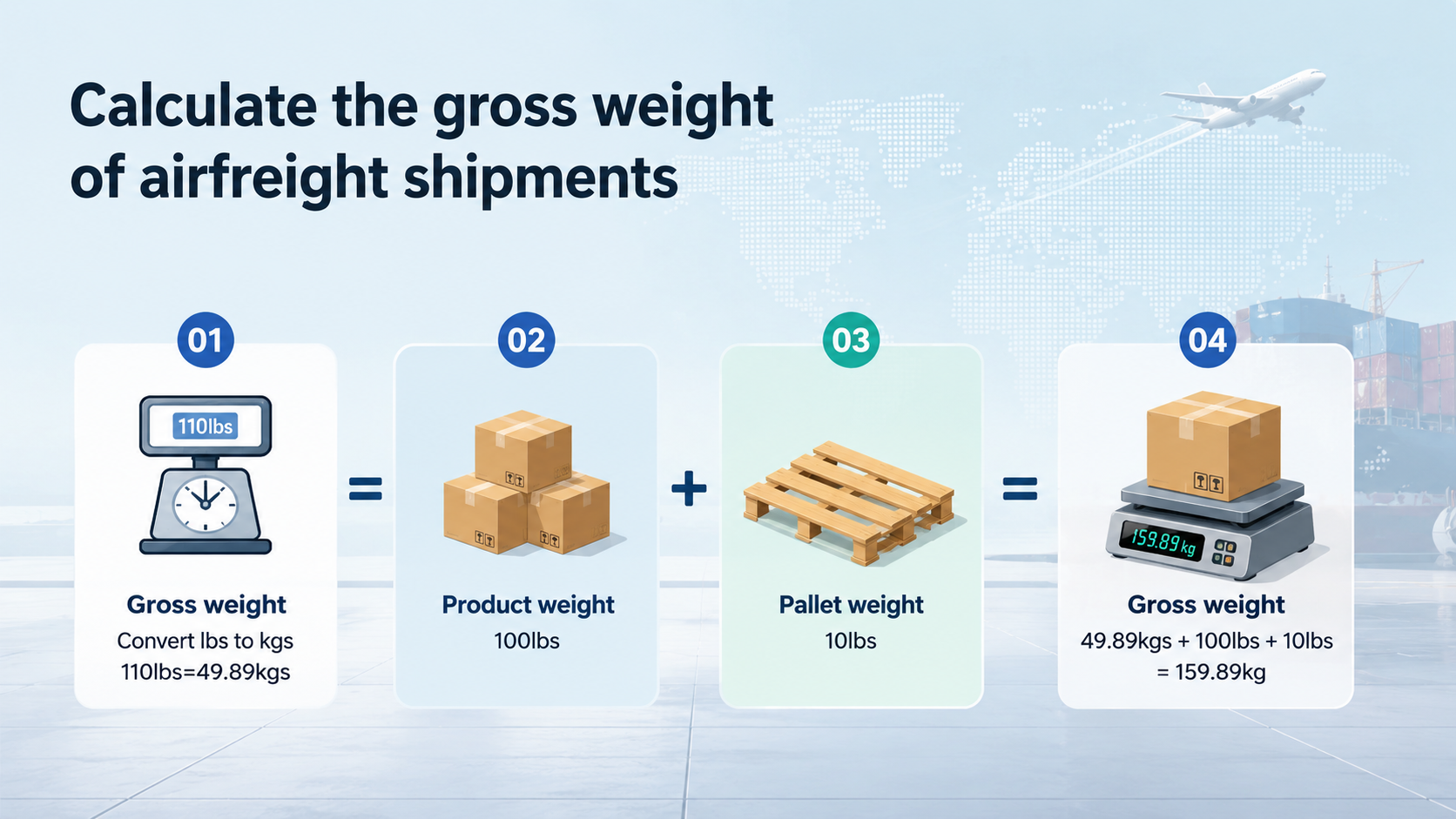
One of the most frequent and costly misunderstandings in air freight is the difference between gross weight and volumetric (or dimensional) weight. Airlines charge based on either the actual weight or the volumetric weight, whichever is higher.
Gross Weight: Actual cargo weight
Volumetric Weight: Space the cargo occupies
Formula: Length × Width × Height (cm) ÷ 6000
Example: 40 × 30 × 20 cm ÷ 6000 = 4 kg
Door-to-door shipping From China to Australia
Planning to navigate the world of international shipping? Door-to-door China Shipping services provide a hassle-free solution for transporting goods from China to Australia. These comprehensive services cover everything from pick-up and transport to customs clearance and final delivery. Not only can they save time, but they also simplify logistics and often prove to be a cost-effective choice.
What is Door-to-Door Shipping?
Dealing with the complexities of global shipping can be daunting. That’s where door-to-door shipping shines, offering a seamless way to ensure goods move efficiently from sender to receiver. Its growing popularity is fueled by its convenience, even when shipments involve long distances or complicated processes. Though it may come at a higher price, the value lies in its all-inclusive nature, making it a go-to method for many businesses.
Why Choose Door-to-Door Shipping From China to Australia?
Simplified Logistics: Leave the heavy lifting to the experts. Door-to-door service manages every detail, from collecting goods at the supplier’s location to delivering them to the final destination.
Meet Tight Deadlines: For time-sensitive shipments, door-to-door ensures a rapid and efficient process. Say goodbye to deadline anxiety; this service is designed for timely deliveries.
Expert Handling for Specialized Cargo: Have unique or challenging items to ship? Door-to-door services cater to them with specialized care, ensuring your valuable cargo is safe every step of the way.
Seamless Trucking Solutions: No need for additional arrangements – door-to-door services handle all trucking requirements, even for deliveries to remote locations.
Ultimate Convenience: At its core, this service is about making life easier. By managing complex procedures, it allows you to focus more on your business operations while leaving shipping details to the pros.
In short, door-to-door services offer unparalleled convenience, efficiency, and peace of mind – saving you valuable time, effort, and sometimes even a few gray hairs!
Partner with GB FREIGHT for Door-to-Door Shipping From China to Australia
Enjoy effortless international shipping with GB FREIGHT’s expert door-to-door solutions. From packaging and transportation to customs clearance and doorstep delivery, we cover every aspect of the logistics process to ensure your experience is simple and smooth.
Curious about costs? Request a free consultation and receive a tailored quote. Trust GB FREIGHT to handle your China Shipping needs from China to Australia with reliable, cost-effective, and professional logistics solutions, we make international logistics easy and stress-free!


