


As international trade continues to expand, businesses face increasing pressure to reduce transportation costs, improve delivery reliability, and maintain supply chain flexibility. Traditional single-mode transportation can no longer satisfy all shipping requirements, especially for long-distance and cross-border cargo movements.
As a result, sea-rail multimodal transport and rail-truck multimodal transport have become increasingly popular among importers, exporters, and global logistics providers. By combining multiple transportation modes into one seamless shipping solution, businesses can achieve greater efficiency, cost savings, and sustainability throughout their supply chains.

Multimodal transportation refers to the movement of cargo using two or more transportation modes within a single shipping journey. Common transportation modes include ocean freight, railway transport, trucking, and air freight.
The key advantage of multimodal transportation is that the cargo remains inside the same container throughout the entire journey. Instead of unloading and reloading goods whenever transportation modes change, the container itself is transferred between ships, trains, and trucks.
This process reduces cargo handling, minimizes damage risks, improves security, and creates a more efficient transportation network.
Sea-rail multimodal transportation combines ocean freight and railway transportation into one integrated logistics solution.
The shipping process typically follows these steps:
Cargo is loaded into a shipping container at the supplier's factory.
The container is transported to the departure port.
The container is shipped overseas by ocean freight.
After arriving at the destination seaport, the container is transferred directly onto a train.
Railway transportation moves the cargo to inland terminals or distribution centers.
Final delivery is completed by truck if necessary.
This transportation model is widely used for shipments moving from China to Europe, where containers arriving at major ports can quickly connect with extensive railway networks serving inland destinations.
Because the container remains sealed throughout the journey, cargo handling is significantly reduced while shipment security is enhanced.
Rail-truck multimodal transportation combines the flexibility of trucking with the efficiency of railway transportation.
Under this model, trucks handle local pickup and final delivery, while rail manages the long-haul transportation segment.
A typical rail-truck shipment follows this process:
Truck collects cargo from the shipper's warehouse.
Cargo is transported to a railway terminal.
Rail freight carries the container over long distances.
The container arrives at the destination rail terminal.
A local truck completes the final delivery.
This combination allows businesses to benefit from door-to-door service while reducing long-distance trucking costs.
Faster Transit Times
Compared with traditional ocean freight, sea-rail transportation offers significantly faster and more predictable transit times. Cargo shipped from China to Poland can often arrive within 13-15 days, while most European destinations can be reached within 15-25 days. This helps businesses shorten lead times and improve inventory management.
Extensive Rail Coverage Across China
China's international railway network covers many major manufacturing regions. GB FREIGHT normallyarranges shipments from rail hubs such as Xi'an, Chengdu, Zhengzhou, Guangzhou, Shenzhen, Chongqing, Wuhan, Hefei, Yiwu, and Qingdao.Byshipping from the station closest to the factory, we can optimize both transportation costs and transit efficiency.
Flexible Transportation Solutions
For inland European destinations or countries with limited rail services, we often combine rail freight with trucking or sea freight to create efficient rail-truck and sea-rail solutions. Our team manages the entire transportation process from China to the final destination, customers only need to complete customs clearance and receive the cargo upon arrival.
Cost-Effective Alternative
Sea-rail transportation offers an excellent balance between cost and transit time. While the cost is slightly higher than traditional ocean freight, it is often more economical than long-distance road transport and provides much faster delivery.
Safe and Reliable
Rail freight is widely recognized for its stability and security. Containers remain sealed throughout most of the journey, reducing cargo handling and minimizing the risk of damage. Fixed railway schedules also help ensure reliable and predictable delivery performance.
Sea-rail and rail-truck transportation are commonly used for:
Import and export shipments
Long-distance domestic distribution
China-Europe freight transportation
Industrial machinery shipments
Consumer goods distribution
Retail inventory replenishment
E-commerce logistics
Project cargo transportation
Businesses that prioritize cost control and predictable transit schedules often choose multimodal transportation as part of their long-term logistics strategy.
Successful multimodal transportation requires careful coordination between multiple transportation providers.
Professional freight forwarders manage every stage of the shipping process, including:
Ocean freight booking
Rail freight arrangements
Truck transportation
Customs clearance
Container management
Warehousing services
Cargo tracking
Documentation processing
By coordinating all transportation modes under one logistics plan, GB Freight ensure smooth cargo movement from origin to destination.
At GB Freight, we help customers combine rail, ocean, and trucking services to create efficient transportation solutions based on cargo type, budget, and delivery requirements. Below are some multimodal transportation projects we have successfully handled for our customers.
Shanghai to Denver, USA
(Sea-Rail and Sea-Truck Transportation for Board Game Sets)

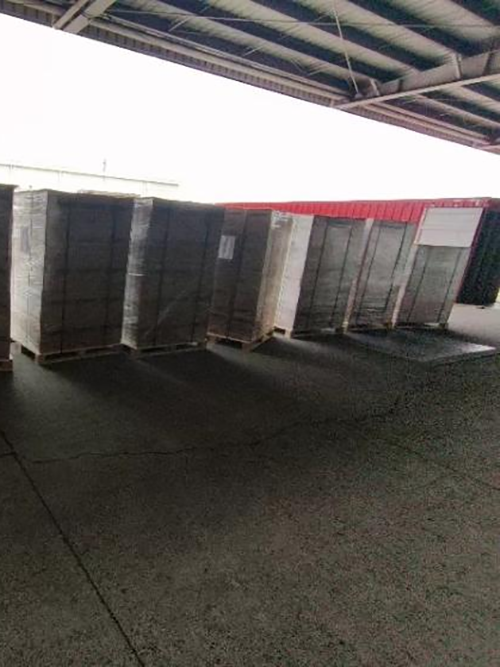
We have handled multiple shipments of board game sets from Shanghai to Denver for the same customer, using different multimodal transportation solutions based on cargo volume and delivery requirements.
For a full 40HQ container shipment, we utilized a sea-rail transportation solution that combined ocean freight with the U.S. railway network after arrival. This approach helped control inland transportation costs while maintaining stable delivery performance for a large-volume shipment.
After successfully completing this project, the customer was very satisfied with our transportation arrangement, communication efficiency, and overall service quality, and subsequently entrusted us with another shipment consisting of 348 cartons of board game sets weighing 3,573.35 kgs. For this smaller-volume cargo, we arranged a sea-truck multimodal solution, with the goods transported by ocean freight to the United States and then delivered by truck to the final destination in Denver. This option provided a practical balance between transportation cost and operational flexibility while ensuring reliable delivery. The shipment was completed smoothly, and the customer expressed satisfaction with the transit time, cargo handling, and our ability to provide tailored logistics solutions for different shipment sizes.
Chengdu to Warsaw to Riga
(Rail-Truck Door-to-Door Delivery)

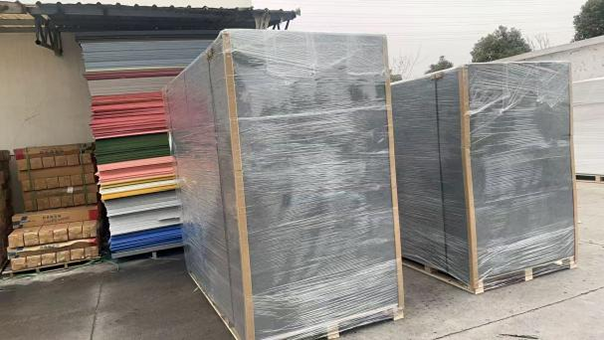
We also handled a shipment of two cases of acoustic panels weighing 1,579 kgs from Chengdu to Riga, Latvia. Since Riga has fewer direct rail services compared to major European hubs, we designed a rail-truck multimodal transportation solution to ensure both cost efficiency and reliable transit times.
The cargo was first transported by rail from Chengdu to Warsaw, one of the key rail gateways for China-Europe Railway Express services. After arriving in Poland, the shipment was transferred to a truck for the final leg of the journey to Riga. Throughout the transportation process, our team closely monitored the cargo movement and coordinated the rail and trucking schedules to ensure a smooth connection and avoid unnecessary delays.
The shipment moved under a customs transit procedure within the EU, allowing customs clearance to be completed closer to the final destination while maintaining compliance with European customs regulations. This approach reduced handling requirements and streamlined the import process for the consignee. The successful delivery demonstrated the flexibility of combining rail and road transportation for destinations in Northern and Eastern Europe where direct rail connections may be limited, providing an efficient and dependable door-to-door logistics solution.
Qingdao to Toronto, Canada
(Sea-Rail Transportation for Conveyor Belts)

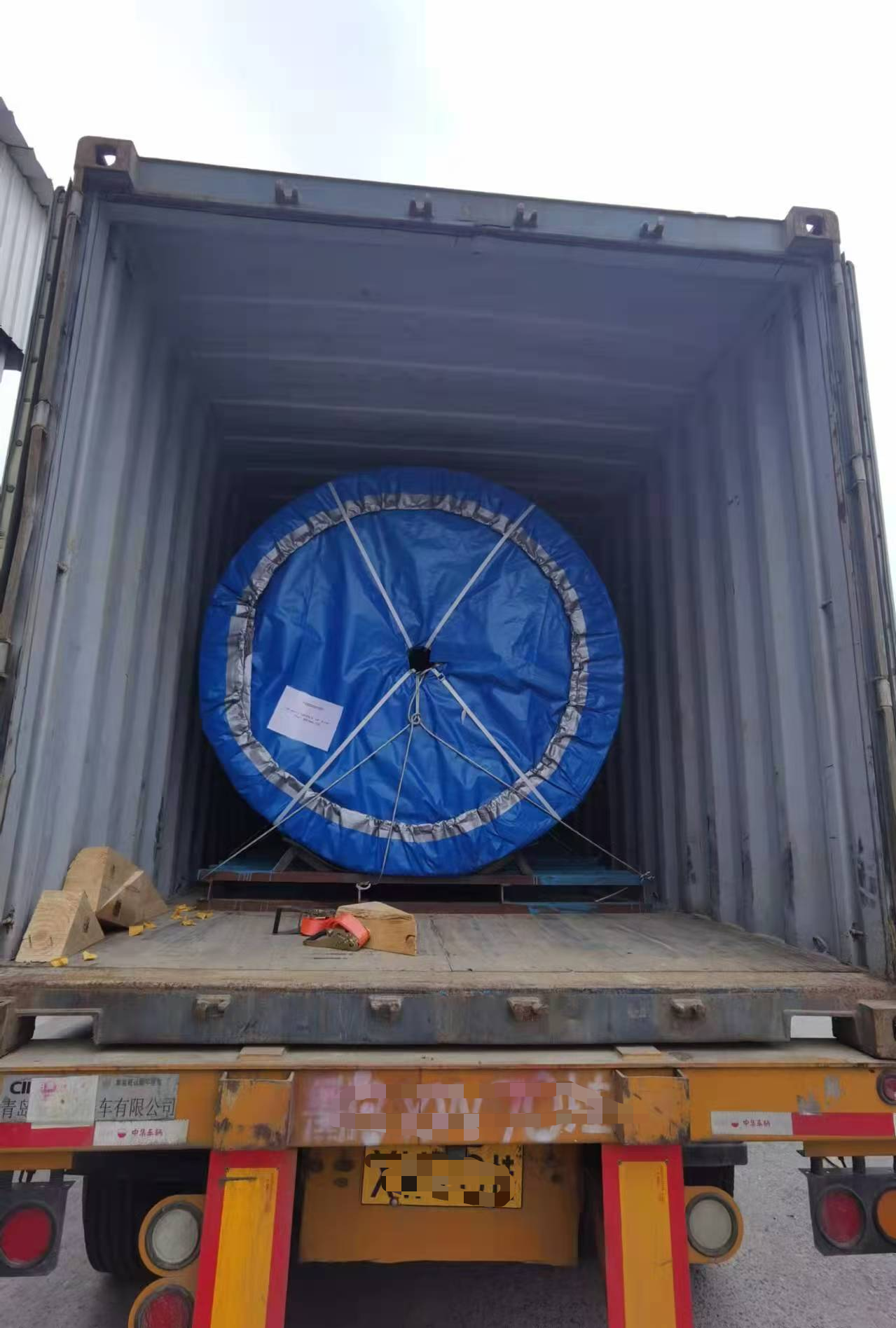
We arranged the transportation of two 20GP SOC containers loaded with conveyor belts from Qingdao, China, to Toronto, Canada. To optimize transportation costs and maintain reliable transit schedules, we selected a sea-rail multimodal transportation solution.
The cargo was first shipped from Qingdao to Busan for transshipment before crossing the Pacific Ocean to Vancouver. After arrival, the containers were transferred to Canada's railway network and transported directly to the Toronto rail terminal. Compared with long-distance trucking, this solution provided more stable transit performance and better cost efficiency for inland Canadian transportation.
The successful delivery demonstrated the advantages of sea-rail transportation for industrial cargo, combining the cost benefits of ocean freight with the reliability of rail transport for long-distance inland distribution.
Putian to Belgrade to Durres, Albania
(Rail-Truck Transportation for Grey Board)

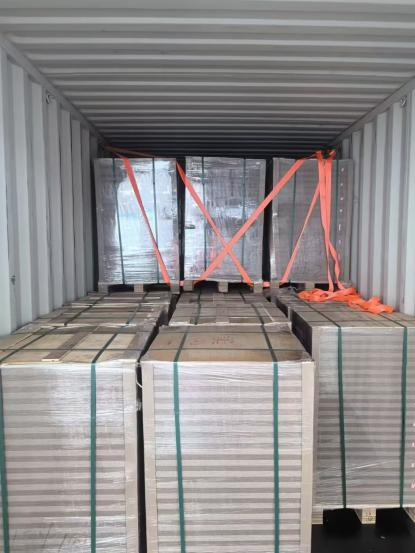
We arranged the transportation of two 40HQ containers of Grey Board from Putian, China, to Durres, Albania. The shipment consisted of 65 packages weighing 28,444 kgs in one container and 74 packages weighing 28,678 kgs in the second container.
Considering the destination and the available transportation network, we utilized a rail-truck multimodal solution. The containers were first transported by rail from China to Belgrade, Serbia, before continuing by truck to Durres. Upon arrival, customs clearance was completed in Durres, and the cargo was subsequently delivered to the customer's warehouse for unloading.
This solution allowed the customer to benefit from the efficiency and reliability of rail transportation while maintaining the flexibility of cross-border trucking for the final delivery stage. It also demonstrated the advantages of multimodal transportation for shipments moving to Southeast Europe and Balkan markets, where direct rail connections to the final destination may be limited.
Every shipment has different requirements. Some customers prioritize the lowest transportation cost, while others focus on transit time, delivery reliability, or cargo security. By combining ocean freight, rail freight, and trucking services, GB FREIGHT can design customized multimodal transportation solutions from China to Europe, North America, and other global destinations, ensuring the most suitable balance between cost, speed, and supply chain efficiency.


