
 |


| Quantity: | |
|---|---|
Belgium
Freight Shipping from China to Belgium
Shipping goods from China to Belgium is manageable with proper planning, but even a minor misunderstanding about transit times, Incoterms can lead to significant delays and unexpected costs. The key to a smooth process is aligning your freight mode, budget, and documentation from the start.
Designed as an operational standard for China to Belgium freight shipping, this guide provides not only the necessary data for effective planning but also practical insights we've applied daily to ensure cargo moves seamlessly.
Sea Freight From China to Belgium
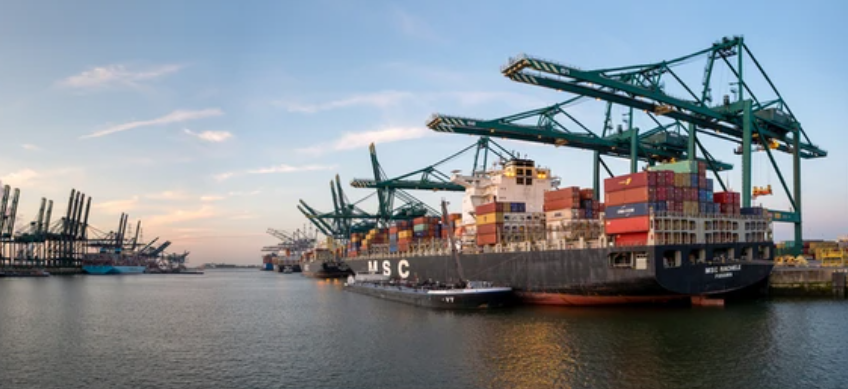
Ocean shipping plays a pivotal role in trade from China to Belgium. Major ports like Shanghai and Zeebrugge form a critical trade corridor between Asia and Europe. While ocean freight is cost-efficient, particularly for high-volume goods, it does require patience due to longer transit times.
Still, shipping between these nations isn’t without its challenges. Many shippers find themselves wrestling with frustrating hurdles along the way like getting bogged down in complex documentation processes, facing unexpected customs duties and encountering delays at key checkpoints.
Even seasoned businesses are not immune to such challenges. Luckily, just like riding a bicycle, once you understand the nuances, the journey becomes far smoother. Consider this guide your set of training wheels, offering tips, best practices, and essential insights for overcoming potential obstacles.
Main Shipping Ports in China
Port of Shanghai
Positioned in the Yangtze River Delta, the Port of Shanghai benefits from proximity to significant manufacturing and commercial zones. It handled over 47.3 million TEUs in 2022, solidifying its role as a global logistics leader.
With established connections to North America, Europe, and East Asia’s growing economies, the port stands as the busiest container hub worldwide.
Businesses looking to access Asia's expanding markets or connect globally can leverage the Port of Shanghai’s massive shipping capacity, strategic location, and international reach for efficient trading operations.
Port of Ningbo-Zhoushan
Located in Zhejiang province within the dynamic Yangtze River Delta, this port handled over 33.35 million TEUs in 2022, underscoring its pivotal role in China’s logistics framework.
It links to over 600 ports across 100+ countries, forming strong ties with Europe, America, Africa, and Australia.
For companies seeking to expand their international footprint, the Port of Ningbo-Zhoushan offers unmatched connectivity to diverse markets across continents.
Port of Shenzhen
Situated in Guangdong province, this port is integral to South China’s export-driven industries, moving over 33.35 million TEUs annually.
Its global trade partnerships extend primarily to Southeast Asia, Europe, and the Americas.
Companies targeting export-heavy regions can benefit from the Port of Shenzhen’s strategic positioning and reliable logistical support for high-volume shipping demands.
Port of Guangzhou
Positioned at the Pearl River Delta’s confluence, the Port of Guangzhou supports a major consumer market with a shipping volume exceeding 24.6 million TEUs in 2022.
Prominent trading connections include Southeast Asia, Europe, and the US.
For businesses aiming to penetrate domestic or Southeast Asian markets, this port offers vital access to economically dense regions and strong trade networks.
Port of Qingdao
Strategically located along China’s central coastline by the Yellow Sea, the Port of Qingdao handled over 25.67 million TEUs in 2022.
It caters to trade with East Asia, the EU, and North America.
Ideal for companies consolidating operations across various markets, the Port of Qingdao provides central access and reliable logistics for diverse shipping needs.
Port of Tianjin
Situated in the Bohai Rim area, the Port of Tianjin processes nearly 20.12 million TEUs annually as Northern China’s leading maritime gateway.
It facilitates trade connections with East Asia, Europe, and North America.
Companies targeting Northern China or seeking connections to East Asian economies can utilize Tianjin as a dependable staging point for logistical operations.
Main Shipping Ports in Belgium
Port of Antwerp
Located at the heart of Europe in Antwerp, this port processed over 13.48 million TEUs in 2022, making it a critical hub within Europe’s logistics network.
The port is a key player in trade with nations like Germany, the Netherlands, France, and the USA. As one of the world’s leading chemical clusters, it also plays an essential role in supporting chemical-related industries.
For industries requiring versatile shipping services—containerized cargo, breakbulk, liquid bulk, or dry bulk. The Port of Antwerp offers highly developed logistics solutions tailored to complex industrial needs.
Port of Zeebrugge
Situated along Belgium’s coast in Zeebrugge, this port handled approximately 3 million TEUs in 2022 and specializes in automotive logistics operations.
With strong ties to the UK and expertise in ro-ro (roll-on/roll-off) vehicle handling, it also supports cold chain logistics crucial for perishables.
Companies in automotive or perishable goods sectors can rely on Zeebrugge's specialized facilities for efficient transportation across nearby European markets.
Should you choose FCL or LCL for shipping From China to Belgium?
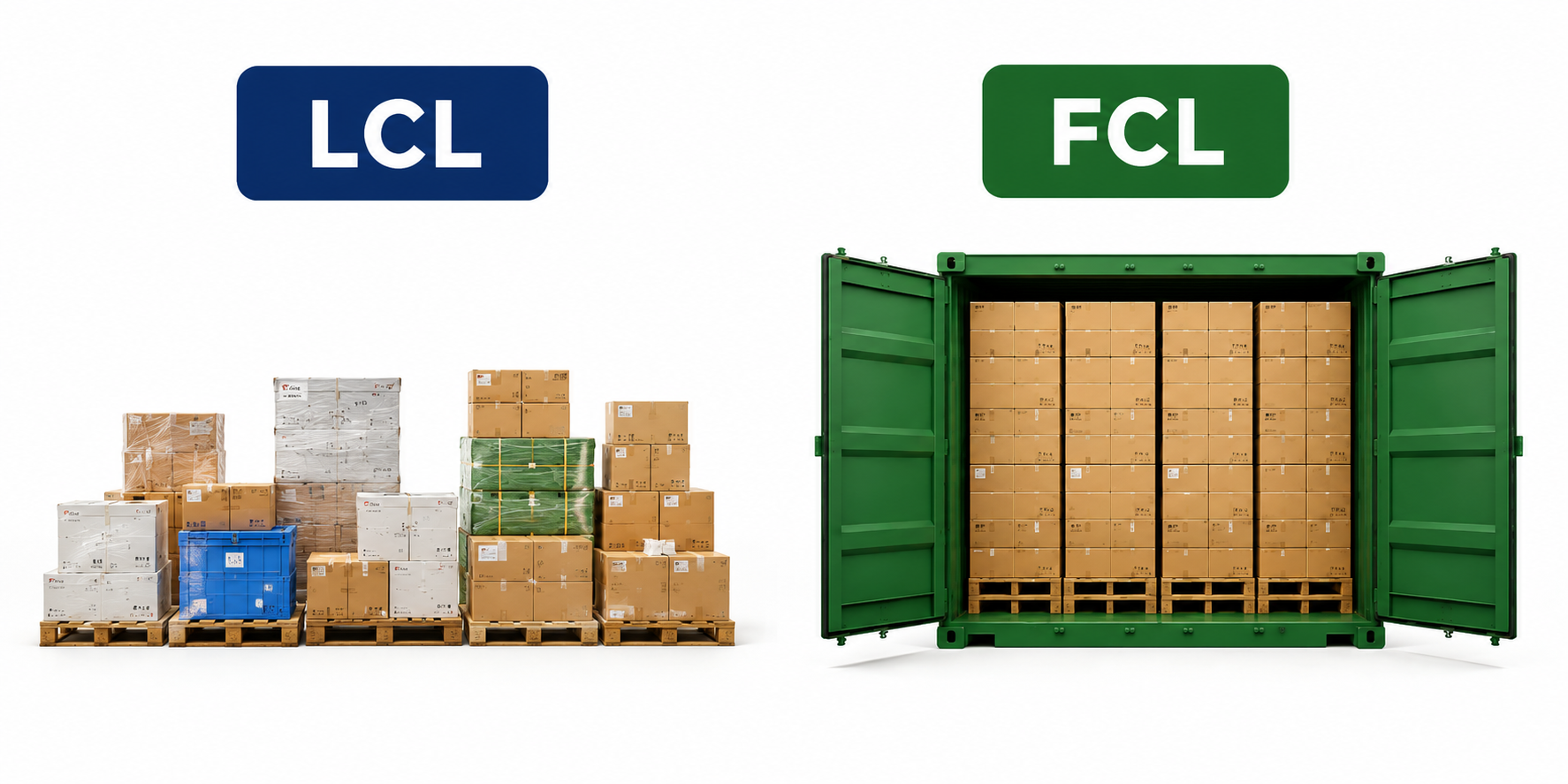
When it comes to sea freight from China to Belgium, deciding between Full Container Load (FCL) and Less than Container Load (LCL) is crucial. Your choice will have a direct impact on cost, transit time, and overall efficiency. Here's a closer look at both options to help you make the right decision.
LCL: Less than Container Load
Definition: LCL involves consolidating shipments from multiple businesses into a single container, offering cost savings for smaller cargo volumes.
If your cargo volume is under 13 to 15 CBM (cubic meters), LCL provides flexibility and affordability. It’s ideal for smaller shipments that don't require an entire container.
Example: A Belgian chocolatier sourcing 10 CBM of premium cocoa beans from China can benefit from LCL, as it allows them to share container space and costs with other businesses.
While LCL can be more economical overall for small volumes, the cost per unit may be higher due to additional handling at both origin and destination. Still, it’s a valuable option when balancing cost with flexibility for low-volume shipments.
FCL: Full Container Load
Definition: FCL entails booking an entire container, whether it's a 20-foot or 40-foot one—solely for transporting your cargo. The container remains sealed from the point of departure to its final destination.
For shipments exceeding 13 to 15 CBM, FCL often becomes the more economical and secure choice as it maximizes the use of container capacity.
Example: A furniture manufacturer shipping 500 chairs from China to Belgium would opt for FCL since the cumulative volume easily surpasses the 15 CBM threshold, making this method cost-effective and logistically efficient.
While FCL may involve a higher upfront cost compared to LCL, the cost per unit decreases significantly with larger shipment volumes. FCL is thus more economical when transporting bigger loads while also reducing potential handling issues during transshipment.
How long does sea freight take From China to Belgium?
Sea freight from China to Belgium typically requires 30-40 days, depending on factors like the specific ports involved, shipment weight, and nature of the goods. These variables can considerably impact transit times.
China Ports | Belgium Ports | Average Transit Time |
Shenzhen | Antwerp | 27 |
Ningbo | Antwerp | 29 |
Guangzhou | Antwerp | 28 |
Shanghai | Antwerp | 25 |
**These times represent general averages and may vary due to various factors. For a more accurate estimate, it’s recommended to request a customized quote.
How much does it cost to ship a container From China to Belgium?
When shipping a container from China to Belgium, costs vary widely, ranging from approximately $30 to several hundred dollars per cubic meter. Prices depend on cargo type, chosen points of origin and destination, selected shipping provider, and fluctuating market rates. Experienced logistics professionals assess these factors to offer competitive rates and customized solutions for your shipment.For tailored advice and quotations please feel free to contact GB FREIGHT.
Special Transportation Services
Out of Gauge (OOG) Containers
Designed for oversized cargo that exceeds standard container dimensions. Suitable for heavy machinery, large equipment, or industrial goods such as construction equipment or factory components. OOG containers are ideal for bulkier shipments that don’t require climate control and offer a cost-effective option for such goods.
Break Bulk Shipping
For loose cargo loads packed individually rather than in containers, such as construction materials, metal sheets, timber, or machinery. Break Bulk shipping provides flexibility for oversized items needing special handling.
Dry Bulk Shipping
Dedicated to commodities transported unpackaged in large quantities—examples include grains, coal, cement, or minerals. This method is economical for mass shipments of unpackaged goods.
Roll-on/Roll-off (Ro-Ro)
Ro-Ro ships enable vehicles and mobile units like trucks or trailers to be loaded directly onto the vessel using built-in ramps. This ensures smooth loading and unloading and is ideal for motorized cargo.
Reefer Containers
Refrigerated containers maintain a specific temperature, making them suitable for perishable items like food, medical supplies, or temperature-sensitive chemicals. Reefer containers provide a safe storage solution for transporting sensitive goods over long distances.
Choosing the right transport method is essential to meet your shipment’s specific requirements. Our team of shipping experts can guide you through this process, offering tailored recommendations and prompt quotations to streamline your logistics needs.
Air Freight From China to Belgium
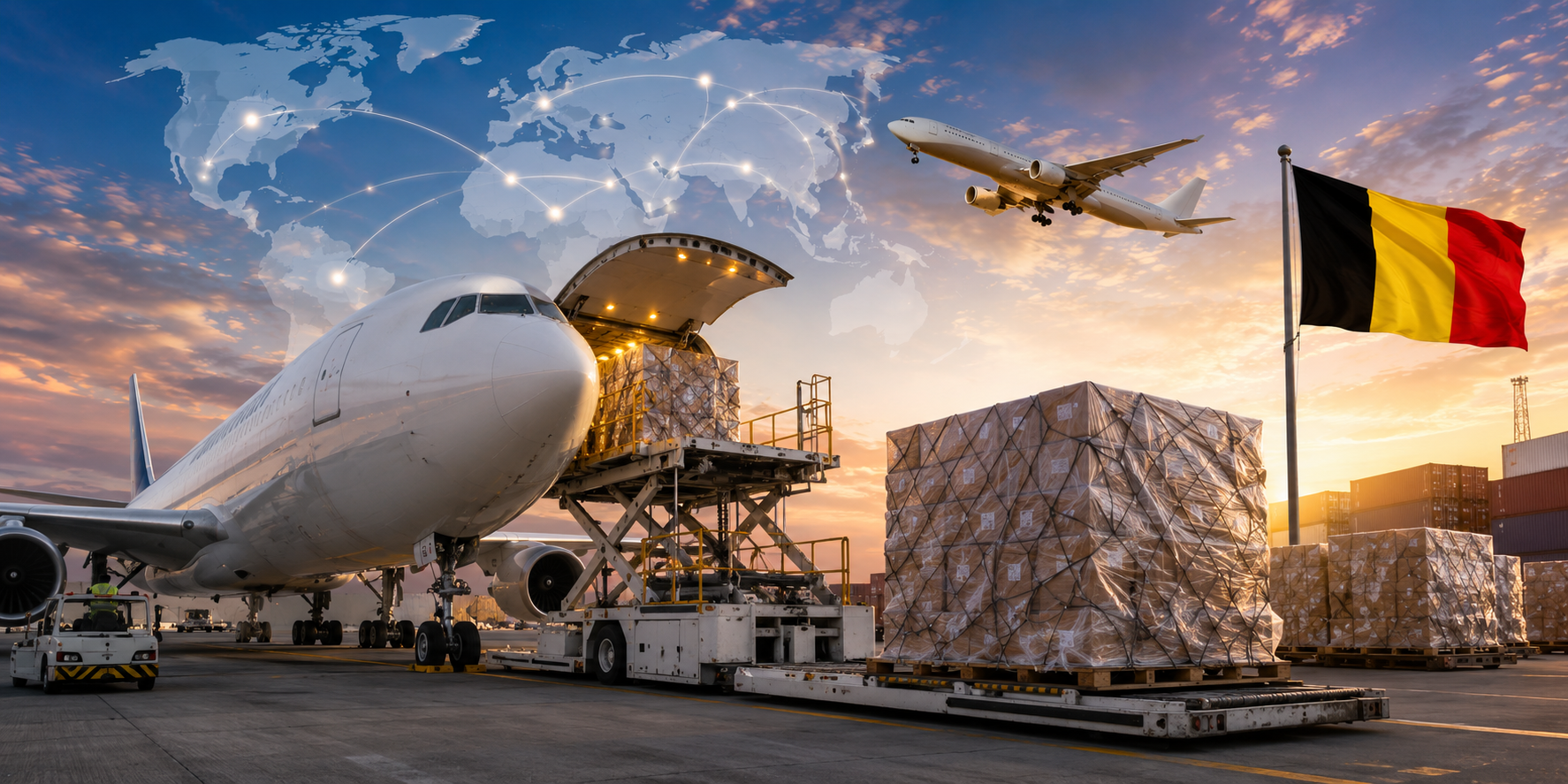
Air freight from China to Belgium offers unmatched reliability and swift delivery, making it an excellent option for shipping high-value items like miniature electronics or designer goods. In the dynamic realm of global trade, air transport can significantly save both time and money.
However, navigating the complexities of air freight has its challenges. Many merchants misstep when calculating shipping costs by using incorrect weight formulas, akin to measuring your luggage with a bathroom scale instead of a proper shipping tool. Such errors can lead to unnecessary expenses and logistical headaches.
A lack of understanding regarding industry best practices can also result in costly setbacks. Stay with us as we explore these common pitfalls and equip you with the knowledge needed to optimize your air freight strategy.
Main international airports in China
Airport | Code | Advantages |
Beijing Capital International Airport | PEK | Major international cargo hub with extensive worldwide air freight connections |
Shanghai Pudong International Airport | PVG | China’s largest air cargo airport with advanced logistics facilities and Free Trade Zone services |
Guangzhou Baiyun International Airport | CAN | Key gateway for Southern China cargo shipments and Asian trade routes |
Shenzhen Bao’an International Airport | SZX | Important logistics hub for electronics, e-commerce, and time-sensitive cargo |
Chengdu Shuangliu International Airport | CTU | Strategic airport connecting Western China with Europe and global markets |
Main international airports in Belgium
Airport | Code | Advantages |
Brussels Airport | BRU | Belgium’s largest international cargo airport with strong European logistics connections |
Liege Airport | LGG | One of Europe’s leading cargo hubs with 24/7 operations and fast customs clearance |
Ostend-Bruges International Airport | OST | Strategic airport near major seaports, ideal for combined sea-air logistics solutions |
Should I choose Air Freight From China to Belgium ?
If you’re considering transporting goods from China to Belgium, air cargo might be an ideal option, especially for shipments weighing over 100–150 kg (220–330 lbs). While transit times could be slightly longer owing to fixed schedules, airlines like Air China Cargo and Brussels Airlines Cargo provide reliable services. Evaluating your shipping priorities and budget will help you decide if air freight aligns with your business needs.
How long does air freight take from China to Belgium?
Air freight transit times from China to Belgium generally range from 3 to 8 days. However, these timelines can vary depending on departure and arrival airports, shipment weight, and the type of goods being shipped. For precise estimates tailored to your unique requirements, consult a trustworthy freight forwarder like GB FREIGHT.
How much does air freight cost From China to Belgium
Shipping costs for air freight from China to Belgium typically range from $2.50 to $7.00 per kilogram. Exact prices depend on factors such as airport distance, package size, and contents. Our team specializes in customizing shipping quotes based on these variables, ensuring optimal rates.
What’s the difference between volumetric weight and gross weight?
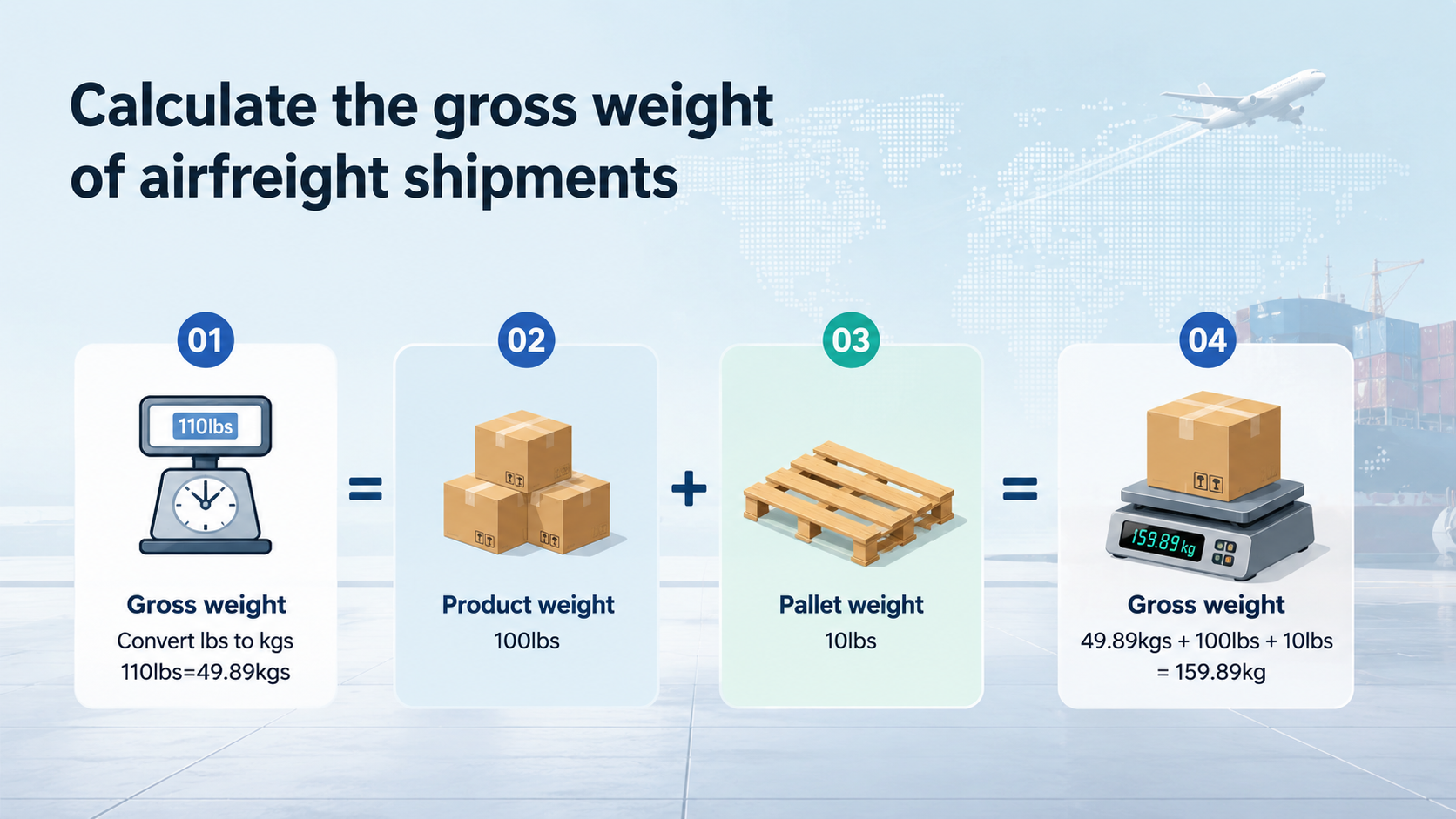
Gross weight refers to the actual weight of the shipment in kilograms, including its packaging. Volumetric weight, also called dimensional weight, is derived from the shipment’s size.
Here’s how to calculate each:
Gross Weight:
Use a scale to weigh your packed shipment. For instance, a parcel weighing 50 kg has a gross weight of 50 kg (approximately 110 lbs).
Volumetric Weight:
Use this formula for air cargo: Length (cm) × Width (cm) × Height (cm) / 6000. For a 100 cm × 60 cm × 30 cm package, the volumetric weight is 30 kg (66 lbs).
Freight charges are based on whichever value is higher—the gross weight or volumetric weight. By understanding these calculations, businesses can better assess and predict shipping costs.
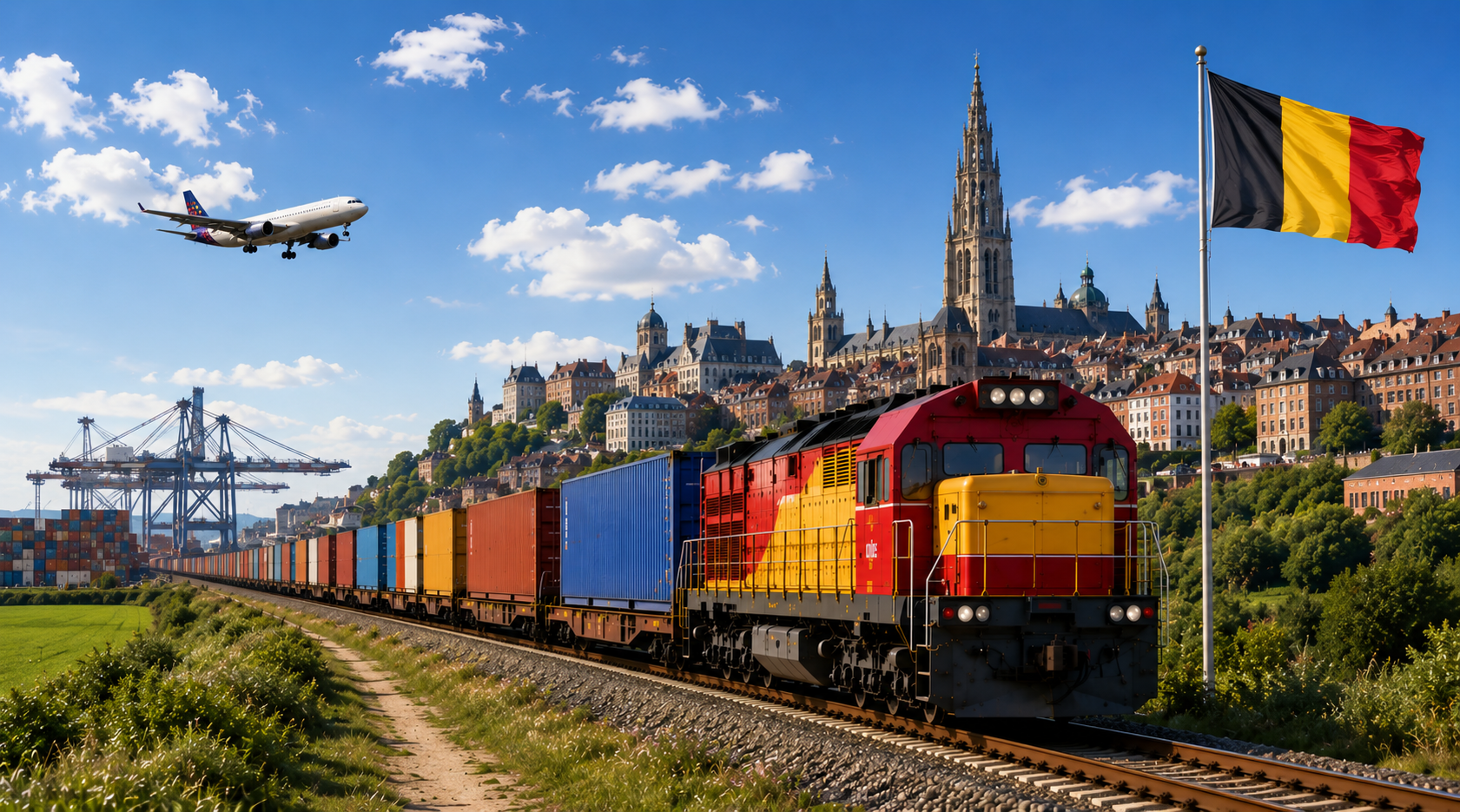
Rail freight From China to Belgium
Beyond air and sea freight, rail freight provides a compelling alternative for shipping from China to Belgium. The Eurasian railway network, revived in 2011, connects multiple countries across Europe and Asia, offering an efficient solution for goods like textiles, electronics, auto parts, and machinery. Rail freight plays a pivotal role in fostering trade while promoting economic cooperation between nations.
Though rail freight offers slightly longer transit times compared to air freight, it’s typically more cost-effective. Be mindful, however, that navigating customs across various borders may present challenges. If rail freight sparks your interest as a potential option, it’s worth exploring whether it meets your logistical needs.
The Main Train Stations in China
Shanghai–Nanjing Line
Shenzhen–Guangzhou Line
Chengdu–Dujiangyan Line
Harbin–Dalian Line
The Main Train Stations in Belgium
Liège-Guillemins Station
Antwerp-Central Station
Brussels-South Station
Gent-Sint-Pieters Station
How Long Does Rail Freight Take From China to Belgium?
The transit time for rail freight from China to Belgium can vary due to multiple influencing factors such as weather conditions, rail schedules, and holidays. On average, the journey takes roughly 16-22 days. Rail networks connecting China and Europe are vast and well-established, enabling relatively efficient transportation. While these timeframes serve as a general guideline, occasional delays may occur due to unforeseen circumstances.
Departure Route | Destination | Estimated Transit Time |
Zhengzhou | Hamburg, Germany | 15–17 days |
Zhengzhou | Munich, Germany | 17–18 days |
Zhengzhou | Liege, Belgium / Milan, Italy | Around 20 days |
Chongqing | Duisburg, Germany | 16–17 days |
Yiwu | Hamburg, Germany | 16–18 days |
Yiwu | Duisburg, Germany | 16–18 days |
Yiwu | Madrid, Spain | Around 20 days |
Wuhan | Hamburg, Germany | 17–19 days |
Wuhan | Duisburg, Germany | 17–19 days |
Chengdu | Tilburg, Netherlands | Around 18 days |
Suzhou | Hamburg, Germany | 18–20 days |
Suzhou | Duisburg, Germany | 18–20 days |
Xi’an | Duisburg, Germany | 18–20 days |
*Please note that these are averages. For the accurate information please contact with your freight forwarder or contact us for more further.
What are the advantages of rail transport from China to Belgium?
Rail transport offers an optimal balance between cost and speed when shipping goods from China to Belgium. It is notably faster than sea freight, which can often face delays from uncertain sailing schedules and port congestion, and significantly more economical compared to air freight.
For example, furniture goods shipped from Guangzhou can arrive in Antwerp by rail in about 15 days, far quicker than the month often required for sea freight, yet at a fraction of the cost of air freight, which may be 4-6 times more expensive. Moreover, established agreements between countries help minimize customs complications during rail transport. This makes it an ideal choice for businesses seeking a middle-ground option. It is faster than sea freight but more budget friendly than air freight.
How much does shipping goods by train From China to Belgium cost?
Determining the exact cost of rail freight from China to Belgium involves multiple variables, such as the type and volume of goods, desired delivery speed, and specific logistical requirements. Similar to other freight solutions like air or sea, rail shipping is not a one-size-fits-all service; it demands tailored options to suit each client's needs.
Don't worry, our expert team is here to help! We specialize in providing customized quotes tailored to your specific requirements. Contact us today to get a free quote, and efficient solution for your rail shipping needs.
Door-to-Door Shipping from China to Belgium
Door-to-door shipping from China to Belgium provides a simple and efficient logistics solution for businesses looking to reduce shipping complexity. From cargo pickup and customs clearance to final delivery, the entire process is handled smoothly under one service.
Although the cost may be slightly higher than standard shipping options, it helps save time, reduce coordination issues, and ensure a more convenient shipping experience from origin to destination.
Why Choose Door-to-Door Shipping from China to Belgium?
Planning a shipment from China to Belgium can feel like trying to solve a puzzle in the dark. No need for extra stress, door-to-door services might be just the answer to simplify your logistics challenges.
Streamlined Operations: These services handle every stage of the shipping process, from picking up your goods to delivering them to their final destination. Think of it as having a personal assistant for your cargo!
Reduced Stress: Say goodbye to juggling various third-party providers. Door-to-door services consolidate the process, letting you focus on your business while they handle everything else.
On-Time Delivery: Time-sensitive shipments? No problem. Door-to-door solutions leverage efficient networks to ensure prompt delivery, saving your business valuable time.
Specialized Care: If you're shipping fragile, oversized, or uniquely shaped goods, these services provide tailored handling to safeguard your cargo every step of the way.
Ultimate Convenience: The ease of having professionals manage the heavy lifting is unmatched. Alongside your shipment comes peace of mind, delivered straight to your door.
Instead of navigating the complex maze of logistics yourself, opt for the simplicity and efficiency of door-to-door service and make shipping a worry-free experience.
GB FREIGHT – Specialists in Door-to-Door Shipping
Smooth out the complexities of international shipping with GB FREIGHT. From packaging to customs clearance, by air, sea, road, or rail, our expert team knows how to manage every step of the process. Receive a free quote or connect with our dedicated Executive for personalized support. Trust GB FREIGHT to handle your cargo with precision while you focus on your core business. Global shipping made easy so you can stay ahead of the game.


