
 |


| Quantity: | |
|---|---|
Brazil
Freight Shipping From China to Brazil
When shipping goods from China to Brazil, careful planning is essential. Long transit distances, port congestion, customs regulations, and documentation requirements can all affect delivery schedules and overall shipping costs. Even small errors at origin may result in delays once cargo arrives in Brazil.
Understanding freight costs, transit times, and customs procedures is important before arranging shipments. Whether you choose ocean freight or air freight, selecting the right logistics strategy can help improve efficiency, reduce risks, and control transportation expenses.
This guide provides practical insights into freight shipping from China to Brazil, helping businesses optimize their supply chain and make better logistics decisions.
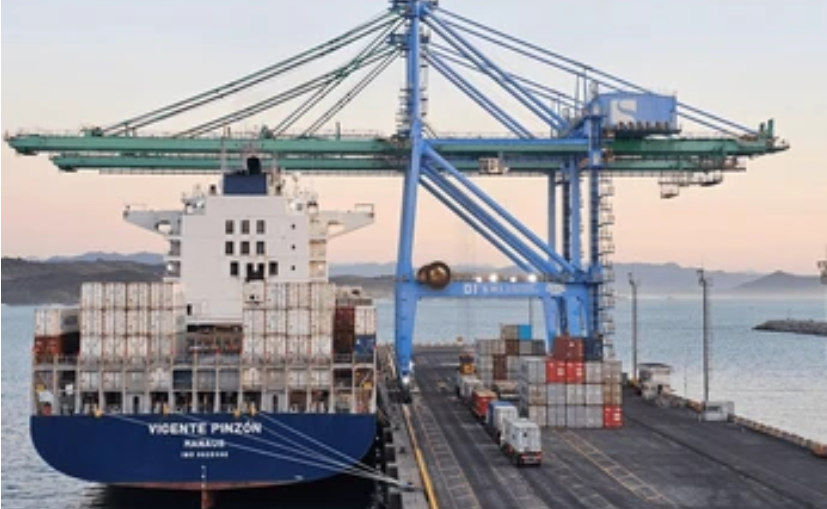
Sea Freight From China to Brazil
Sea freight is one of the most common and cost-effective shipping methods between China and Brazil, especially for large-volume cargo. Major ports such as Shanghai and Santos play an important role in supporting trade between Asia and South America. Although ocean freight involves longer transit times, it remains a reliable option for bulk shipments and container transportation.
However, shipping to Brazil can be challenging due to customs procedures, documentation checks, and port congestion. Incorrect paperwork or cargo declarations may lead to delays, inspections, or additional charges.
With proper preparation and experienced logistics coordination, businesses can improve shipping efficiency and reduce operational risks when importing goods into Brazil.
Main Shipping Ports in China
Port of Shanghai
Located on China’s eastern coastline, the Port of Shanghai is the world’s busiest container port and a major global shipping hub. It offers extensive international shipping connections and strong logistics infrastructure for worldwide trade.
Port of Ningbo-Zhoushan
The Port of Ningbo-Zhoushan is one of China’s largest ports, known for its strong container operations and bulk cargo handling capacity. It is an important gateway for exports from Eastern China.
Port of Shenzhen
Situated in Southern China, the Port of Shenzhen is a key export hub supporting electronics, manufacturing, and international container shipping across Asia, Europe, and the Americas.
Port of Guangzhou
The Port of Guangzhou plays an important role in South China trade and offers strong shipping connections to Southeast Asia, South America, and Africa.
Port of Qingdao
Located in Northern China, the Port of Qingdao is recognized for its efficient container handling facilities and integrated rail-sea logistics network.
Port of Tianjin
The Port of Tianjin serves Northern China and Beijing, providing strategic shipping access for industrial cargo and international trade routes.
Main Shipping Ports in Brazil
Port of Santos
The Port of Santos is Brazil’s largest and busiest container port, handling a major share of the country’s international trade. It serves as the primary gateway for imports and exports between Brazil and Asia.
Port of Rio de Janeiro
Located on Brazil’s southeastern coast, the Port of Rio de Janeiro is an important commercial port supporting container cargo, industrial goods, and regional distribution.
Port of Paranaguá
The Port of Paranaguá is one of Brazil’s key agricultural export ports and also handles containerized cargo and bulk commodities efficiently.
Port of Itajaí
Known for its strong container operations, the Port of Itajaí plays a significant role in Southern Brazil’s import and export logistics sector.
Port of Suape
The Port of Suape is a modern deep-water port in northeastern Brazil, supporting industrial cargo and international shipping activities.
Port of Manaus
Located in the Amazon region, the Port of Manaus is an important logistics gateway supporting industrial manufacturing and inland distribution in Northern Brazil.
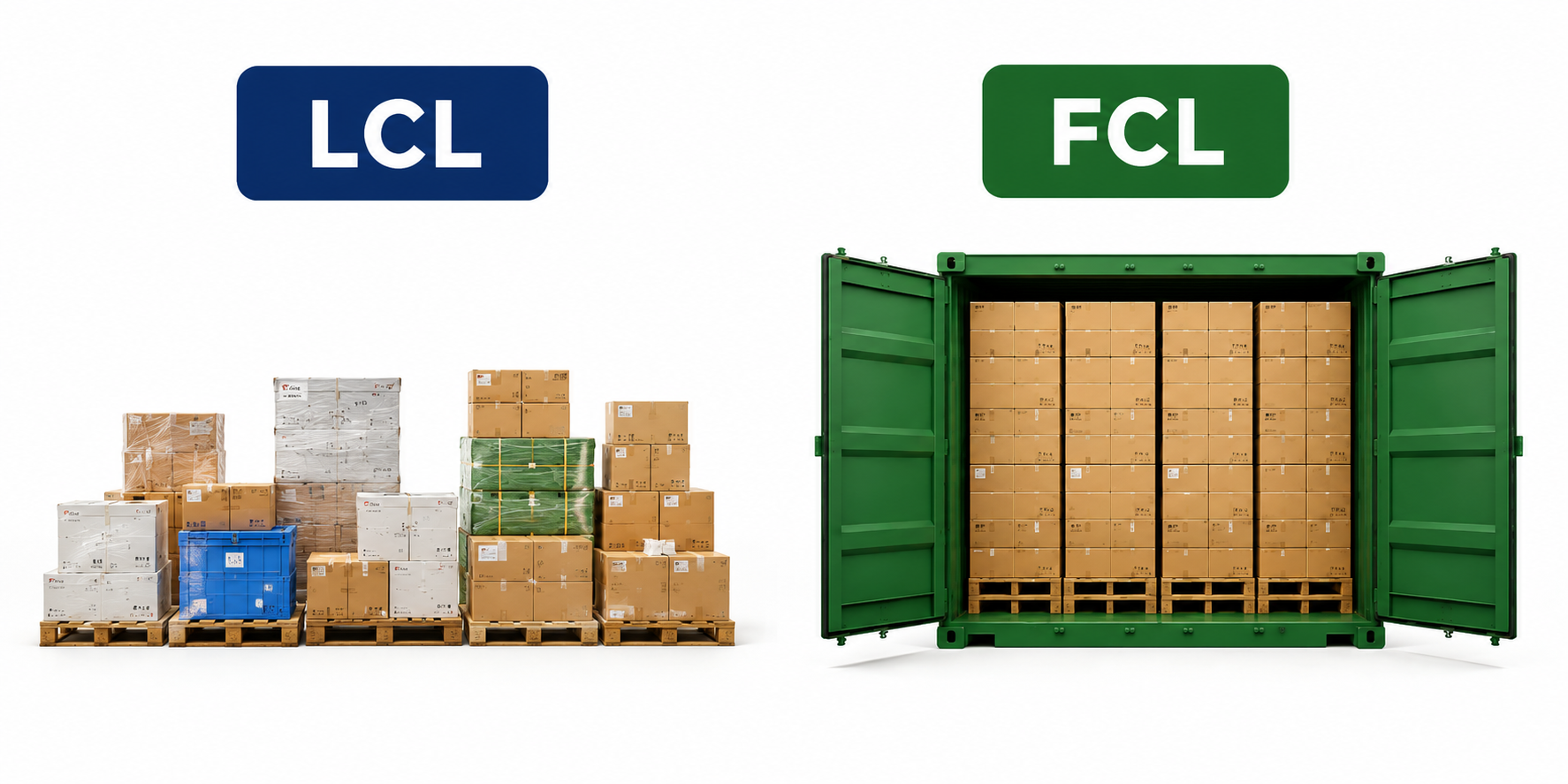
Should I Choose FCL or LCL for Shipping From China to Brazil?
LCL: Less than Container Load
LCL shipping allows multiple shippers to share one container, making it a cost-effective option for smaller cargo volumes. It is generally suitable for shipments below 15 CBM and helps businesses reduce transportation costs by paying only for the space used.
However, because cargo is consolidated with other shipments, LCL usually involves additional handling and slightly longer transit times.
FCL: Full Container Load
FCL shipping provides exclusive use of a container for one shipment. It offers faster handling, improved cargo security, and lower risk of damage due to reduced handling stages.
FCL is typically more suitable for cargo volumes above 14–15 CBM or businesses shipping large quantities of goods regularly. Although container costs are fixed, larger shipments often achieve lower shipping costs per unit compared to LCL.
How long does sea freight take From China to Brazil?
Sea freight transit times from China to Brazil generally range between 30 and 45 days depending on the ports involved, vessel schedules, customs clearance, and transshipment arrangements.
From China | To Brazil | Average Shipping Time |
Port of Shanghai | Port of Santos | 35–40 days |
Port of Ningbo | Port of Santos | 35–42 days |
Port of Shenzhen | Port of Rio de Janeiro | 38–45 days |
Port of Qingdao | Port of Santos | 40–45 days |
How much does it cost to ship a container from China to Brazil?
Shipping costs from China to Brazil depend on factors such as container type, carrier availability, shipping season, cargo type, and port pair selection. Ocean freight rates can fluctuate significantly due to market demand and fuel costs.
As a general estimate, shipping rates may range from USD 80 to USD 250 per CBM depending on shipment size and service requirements. Additional charges such as customs fees, terminal handling, and inland delivery may also apply.
Special Transportation Services
Out of Gauge (OOG) Container
Suitable for oversized cargo such as industrial machinery, construction equipment, and large vehicles that exceed standard container dimensions.
Break Bulk
Used for heavy or oversized cargo transported individually rather than inside containers, such as steel structures or generators.
Dry Bulk
Ideal for unpackaged commodities such as grain, coal, cement, fertilizers, and minerals transported in large quantities.
Roll-on/Roll-off (Ro-Ro)
Designed for wheeled cargo including cars, trucks, buses, and agricultural machinery that can be driven directly onto vessels.
Reefer Containers
Temperature-controlled containers used for transporting perishable goods such as seafood, meat, pharmaceuticals, fruits, and vegetables.
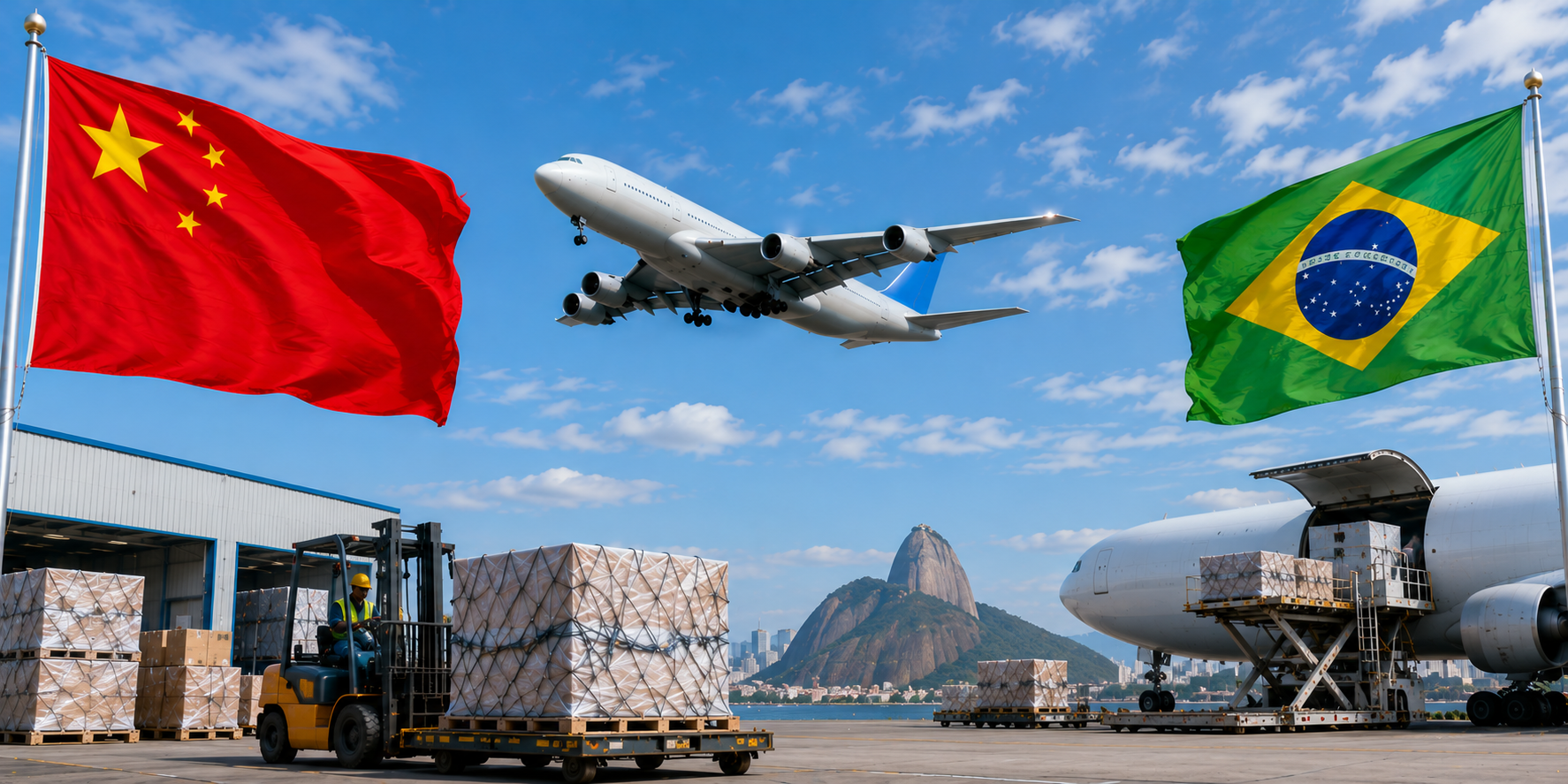
Air Freight From China to Brazil
Air freight offers a faster shipping solution for businesses requiring urgent deliveries or transporting high-value cargo such as electronics, medical equipment, and fashion products. Compared with sea freight, air cargo significantly reduces transit times while providing reliable international transportation services.
However, air freight costs are higher, and accurate cargo measurements are important since airlines calculate charges based on either gross weight or volumetric weight. Proper packaging and documentation also help avoid delays and additional handling costs.
Main International Airports in China
Airport | Code | Advantages |
Beijing Capital International Airport | PEK | Major global cargo hub with extensive international freight connections |
Shanghai Pudong International Airport | PVG | China’s busiest cargo airport with advanced logistics infrastructure |
Guangzhou Baiyun International Airport | CAN | Important South China export gateway with strong cargo handling capacity |
Chengdu Shuangliu International Airport | CTU | Strategic Western China cargo hub with growing international routes |
Hong Kong International Airport | HKG | One of the world’s leading international cargo airports with highly efficient operations |
Main International Airports in Brazil
Airport | Code | Advantages |
São Paulo–Guarulhos International Airport | GRU | Brazil’s largest international cargo airport with extensive global air freight connections |
Viracopos International Airport | VCP | Major cargo hub known for efficient customs clearance and logistics services |
Rio de Janeiro–Galeão International Airport | GIG | Important international cargo gateway serving southeastern Brazil |
Brasília International Airport | BSB | Strategic central logistics hub connecting domestic and international cargo routes |
Manaus International Airport | MAO | Key airport supporting industrial cargo and Amazon regional distribution |
Is Air Cargo the Right Choice From China to Brazil?
Air cargo is ideal for urgent shipments, high-value products, and cargo requiring shorter transit times. Although more expensive than ocean freight, it offers faster delivery, improved shipment tracking, and reduced inventory holding time.
For shipments above 100–150 kg, air freight can provide a balanced solution between speed and logistics efficiency, especially for time-sensitive cargo.
How long does air freight take From China to Brazil?
Air freight transit times from China to Brazil generally range between 5 and 8 days depending on flight schedules, cargo handling, customs clearance, and destination airport.
How much does it cost to ship a parcel From China to Brazil with air freight?
Air freight costs from China to Brazil typically range between USD 4 and USD 12 per kilogram depending on cargo size, shipment urgency, airline capacity, and routing. Additional local handling and customs charges may also apply.
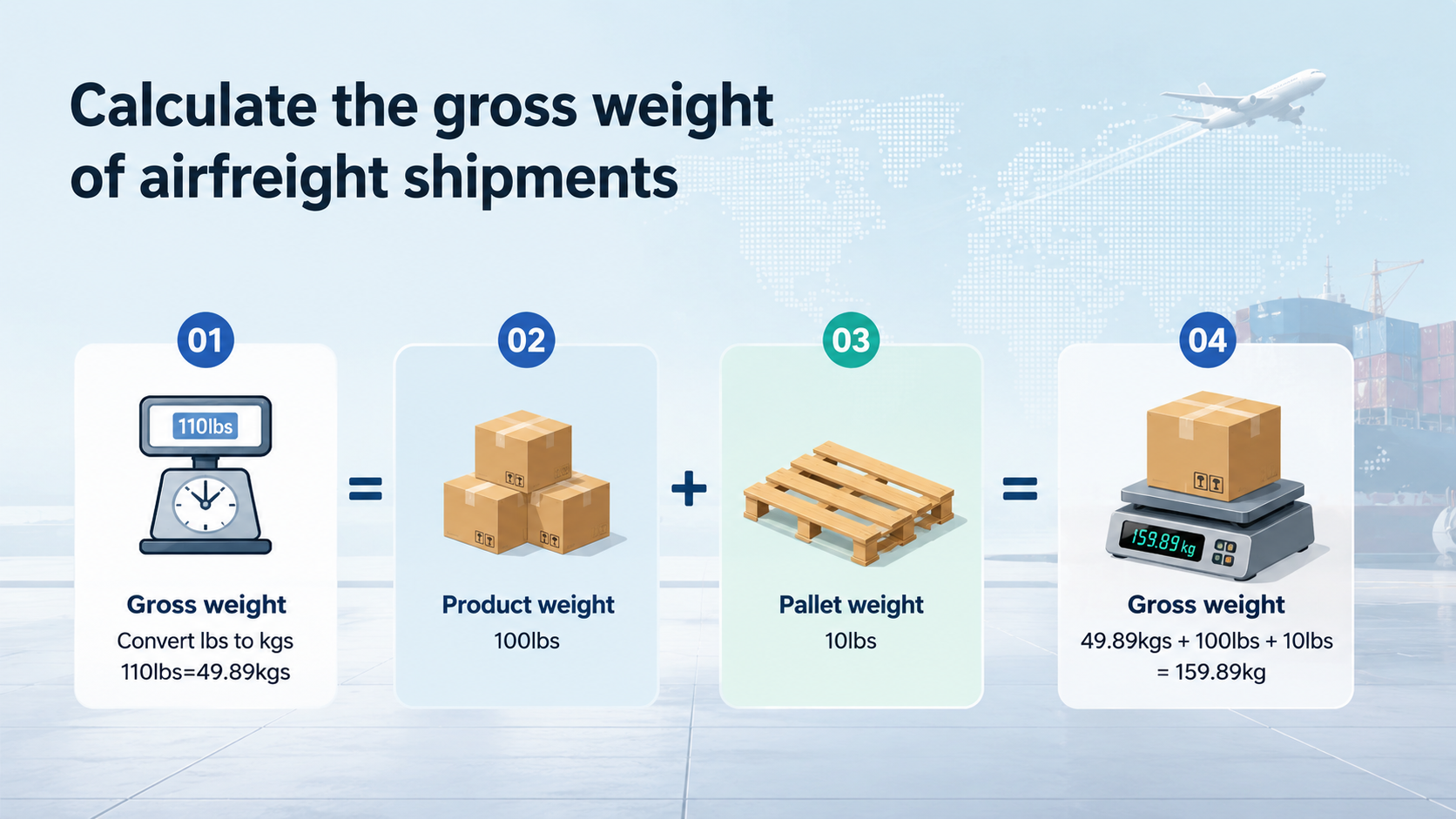
What is the difference between volumetric and gross weight?
Gross weight refers to the actual physical weight of the shipment, including packaging and pallets. Volumetric weight measures how much space the cargo occupies and is calculated using: Length × Width × Height (cm) ÷ 6000 for standard air freight.
Airlines charge based on whichever is higher between gross weight and volumetric weight to fairly account for both weight and cargo space usage.
Door-to-door shipping From China to Brazil
Door-to-door shipping provides a complete logistics solution covering pickup in China, export handling, international transportation, customs clearance, and final delivery in Brazil.
This shipping method simplifies the logistics process by reducing coordination work, improving shipment visibility, and minimizing operational complexity for businesses.
Why Choose GB FREIGHT?
GB FREIGHT provides comprehensive freight forwarding solutions from China to Brazil, including sea freight, air freight, customs clearance, warehousing, and door-to-door delivery services.
Our logistics team helps businesses optimize shipping routes, control transportation costs, and ensure smooth cargo movement from origin to destination.


