
 |


| Quantity: | |
|---|---|
Japan
Freight Shipping From China to Japan
China has established itself as the world’s leading exporter over the years, supplying a vast array of affordable products with relatively good quality. This price advantage largely stems from the availability of inexpensive labor. The country's suppliers offer an impressive diversification of goods, fostering numerous commercial partnerships globally, particularly with Japan, one of China's key trade partners.
Navigating the complexities of importing products from Japan to China can be challenging. To address this, our guide provides a comprehensive overview of everything you need to know about shipping freight from China to Japan, covering transportation methods and regulatory details. Whether you’re an individual, a start-up, a small business, or a large company aiming to import or export goods, our step-by-step understanding guide is designed to help you find the most suitable solutions.
For further assistance or specific inquiries, feel free to reach out to our GB FREIGHT teams. We’re here to evaluate your needs and provide tailored advice for your project.
Sea freight From China to Japan
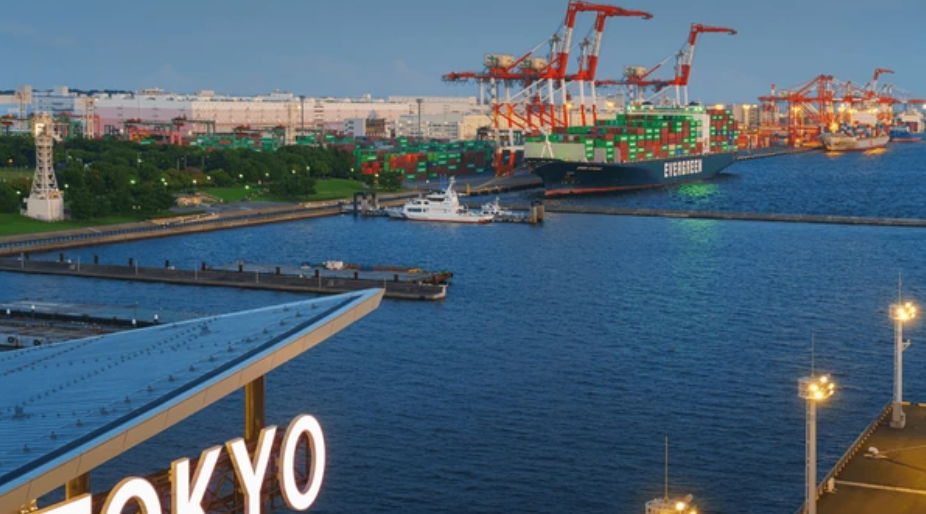
Sea freight from China to Japan is a practical shipping option that combines a short route, high traffic density, and active operations. It's an excellent choice for managing costs and ensuring predictable supply chain flows, particularly for full container loads, regular stock replenishments, or shipments that don’t demand the speed of air freight. However, it’s important to note that this route is not entirely without challenges.
In our experience, sea freight is most suitable when cargo weight takes precedence over urgency, shipping volumes are consistent, and minor schedule adjustments can be accommodated. For smaller shipments under 2 CBM or when door-to-door speed is essential, this route can still be viable, but only with thorough planning and a clear understanding of the potential trade-offs.
Main Ports of China
Port of Shanghai
The Port of Shanghai is one of the world’s busiest container ports and a major gateway for trade between China and Japan. It offers frequent sailings, strong inland transportation networks, and efficient container handling for international cargo movements.
Port of Ningbo-Zhoushan
The Port of Ningbo-Zhoushan is an important deep-water port with strong container and bulk cargo operations. It plays a key role in China–Japan shipping routes and provides reliable connections for export and import cargo.
Port of Shenzhen
The Port of Shenzhen is one of Southern China’s main export hubs, especially for electronics and manufacturing cargo. It supports large shipping volumes to Japan, although inland trucking schedules can significantly affect shipment timing.
Port of Guangzhou
The Port of Guangzhou is a strategic shipping gateway for South China manufacturing regions. It handles a wide range of container cargo and supports regular maritime connections with major Japanese ports.
Main Ports of Japan
Port of Nagoya
The Port of Nagoya is one of Japan’s most important commercial ports, particularly for automotive and industrial cargo. It is ideal for cargo distribution across central Japan and supports strong trade connections with China.
Port of Tokyo
The Port of Tokyo is a major international trade gateway serving the Kanto region. It handles large volumes of containerized cargo, although congestion can sometimes affect delivery schedules and port operations.
Port of Yokohama
The Port of Yokohama is one of Japan’s leading international seaports and an important logistics hub for imports from China. It offers efficient container handling and strong connections to nearby industrial and commercial areas.
Port of Osaka
The Port of Osaka is a major cargo hub for the Kansai region and supports extensive trade activities between China and Japan. It is commonly used for commercial cargo and regional distribution operations.
Port of Kobe
The Port of Kobe is an important international port with advanced logistics infrastructure and reliable shipping services. It plays a significant role in handling cargo for western Japan and supporting bilateral trade with China.
Should I Choose FCL or LCL for Shipping From China to Japan?
When shipping goods from Japan to China, selecting the right container depends on the volume and nature of your cargo. The three standard container sizes to choose from are:
- 20’ GP Container: Capacity of 33m³
- 40’ GP Container: Capacity of 67m³
- 40’ HC Container: Capacity of 76m³
These containers can be used in one of two shipping methods, depending on your needs:
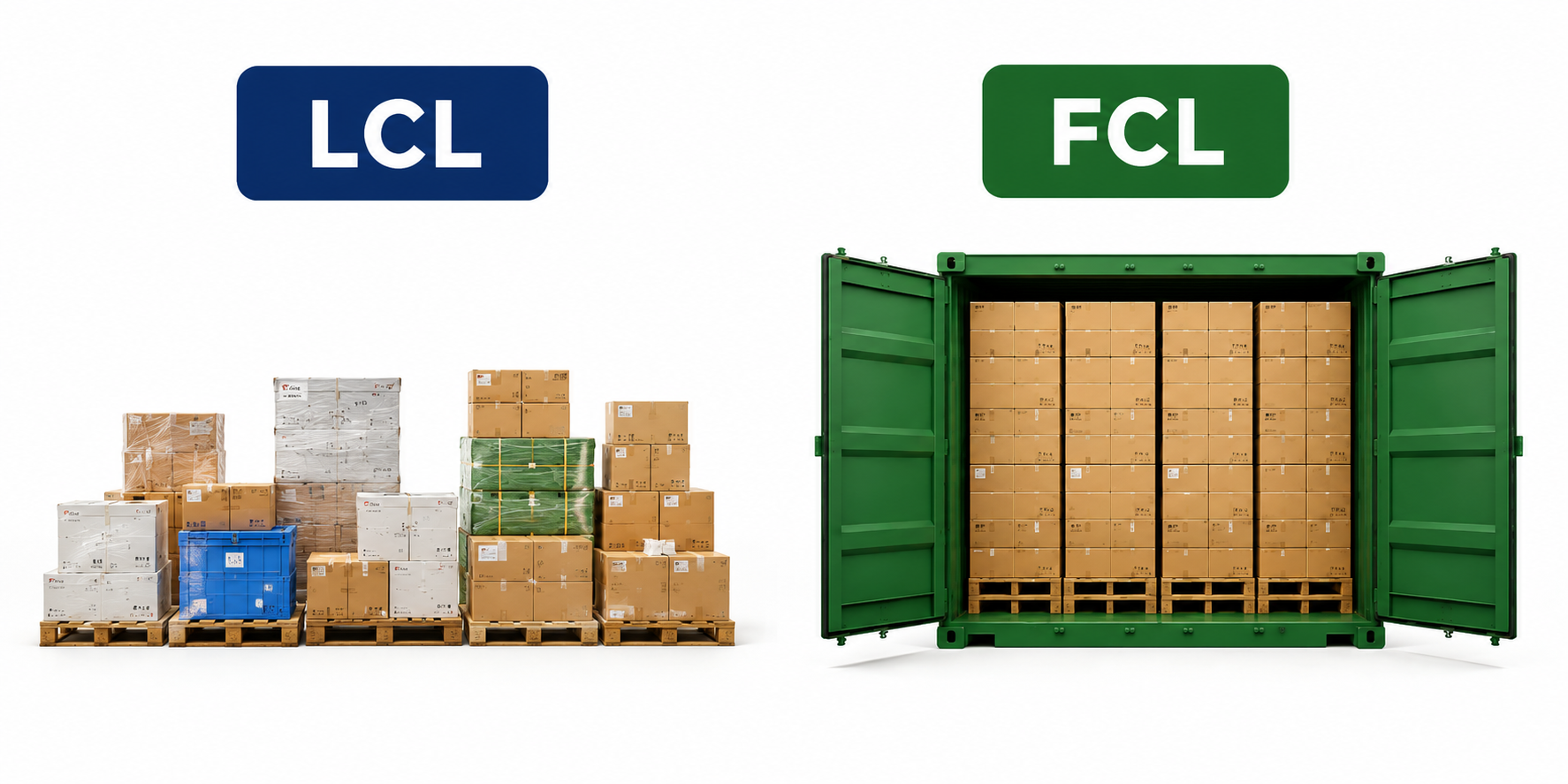
LCL (Less than Container Load)
This option is ideal for shipments that do not require a full container. Goods from multiple customers heading to the same destination are consolidated into one container.
FCL (Full Container Load)
This option is for customers who need the entire container for their shipment. With FCL, the container is dedicated to just one customer, with minimal handling along the way. The container remains sealed from the point of origin to its final destination.
How long does it take to ship from China to Japan?
Sea transit time from China to Japan is short compared to most international routes. Port to port estimates usually range between 3 and 14 days, depending on origin, destination, and service type.
Nagoya | Chiba | Yokohama | Kitakyushu | |
Shanghai | 2–3 days | 3–4 days | 3–4 days | 1–2 days |
Shenzhen | 7–9 days | 5–6 days | 5–6 days | 4–5 days |
Qingdao | 3–4 days | 3–4 days | 3–4 days | 2–3 days |
How much does it cost to ship a container From China to Japan?
Sea freight costs from China to Japan depend on shipment size, route, port charges, and equipment availability. LCL shipments vary based on consolidation and destination fees, while 40ft containers are usually more cost-efficient per CBM than 20ft containers. On this route, destination charges and port handling often cost more than the ocean freight itself, which is why low initial quotes may increase after arrival.
To estimate shipping costs, you need the CBM, cargo weight, Incoterm, and the loading and destination ports. For LCL shipments, carriers calculate charges using the 1 CBM = 1 ton rule, meaning if cargo measures 4 CBM but weighs 6 tons, the shipment is charged based on 6 tons. Terminal handling charges, documentation fees, and inland delivery should also be included when calculating the total landed cost.
Additional charges may include THC, port handling fees, documentation costs, demurrage, detention, and congestion surcharges during peak seasons. The ocean freight rate is only part of the total shipping cost, and delays in paperwork or cargo pickup can create extra expenses.
Air Freight from China to Japan
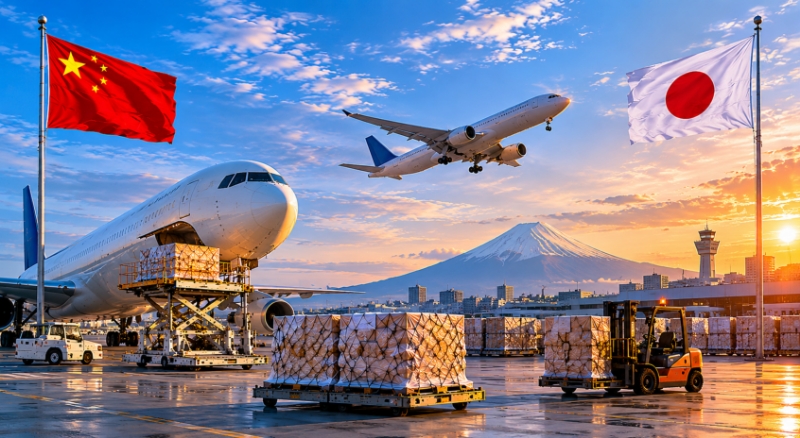
Exploring air freight as a shipping option from China to Japan depends on specific priorities. It is ideal when speed is crucial, your goods are of high value, or when a delay or stockout would result in greater losses than the transport costs. However, air freight may not be the optimal choice for bulky, low-margin, or non-urgent cargo.
While air transport offers speed, it comes with strict requirements. Cut-off times are rigid, cargo undergoes thorough screening, and pricing is determined by chargeable weight rather than the actual gross weight of your shipment. Common issues encountered on this route include miscalculated volumetric weights, rejected packaging due to poor preparation, and incomplete documentation delaying cargo acceptance.
Main International Airports in China
Airports in China | Airport Code |
Beijing Capital International Airport | PEK |
Shanghai Pudong International Airport | PVG |
Guangzhou Baiyun International Airport | CAN |
Shenzhen Bao’an International Airport | SZX |
Chengdu Shuangliu International Airport | CTU |
Main International Airports in Japan
Airports in Japan | Airport Code |
Narita International Airport | NRT |
Haneda Airport | HND |
Kansai International Airport | KIX |
Chubu Centrair International Airport | NGO |
Fukuoka Airport | FUK |
Should I Choose Air Freight from China to Japan?
Standard air cargo becomes a practical option for shipments exceeding approximately 1 cubic meter (CBM) or weighing between 100–150 kilograms (220–330 pounds). It stands out as a reliable choice for B2B shipments, periodic inventory replenishment, and situations requiring transparency on costs and Incoterms.
Several key preparations are essential to ensure smooth operations: accurate dimensions and weights, selecting the appropriate Incoterm, identifying origin and destination airports, confirming a realistic ready date, and providing a comprehensive description of goods. A common misconception is equating airport-to-airport shipping with door-to-door delivery—they differ significantly. Pre-carriage, export handling, security screening, and import procedures are treated as separate services, and minimum charges apply even for lightweight cargo.
How Long Does Air Freight Take From China to Japan?
Air freight from China to Japan is one of the fastest shipping options, with airport-to-airport transit usually taking 1–3 days. Although the flight time is short, the overall shipping process also depends on export handling, security inspections, customs procedures, and import processing in Japan. Delays may occur due to missed cargo cut-off times, incomplete air waybill documentation, or seasonal congestion, so confirming cargo space and supplier readiness in advance is important for urgent shipments.
How Much Does Air Freight Cost From China to Japan?
Air freight costs from China to Japan depend on cargo weight, volume, airline capacity, and delivery requirements. Express air freight is usually more expensive than standard air cargo, while larger shipments may receive better rates per kilogram. Charges are calculated based on either actual weight or volumetric weight, depending on which is higher.
Additional costs may include fuel surcharges, security fees, customs clearance, airport handling, and local delivery charges in Japan. During peak shipping seasons, rates can also increase due to limited cargo space and higher demand. Proper packaging, accurate documentation, and early booking can help reduce delays and avoid unnecessary extra costs.
Understanding Volumetric vs. Gross Weight
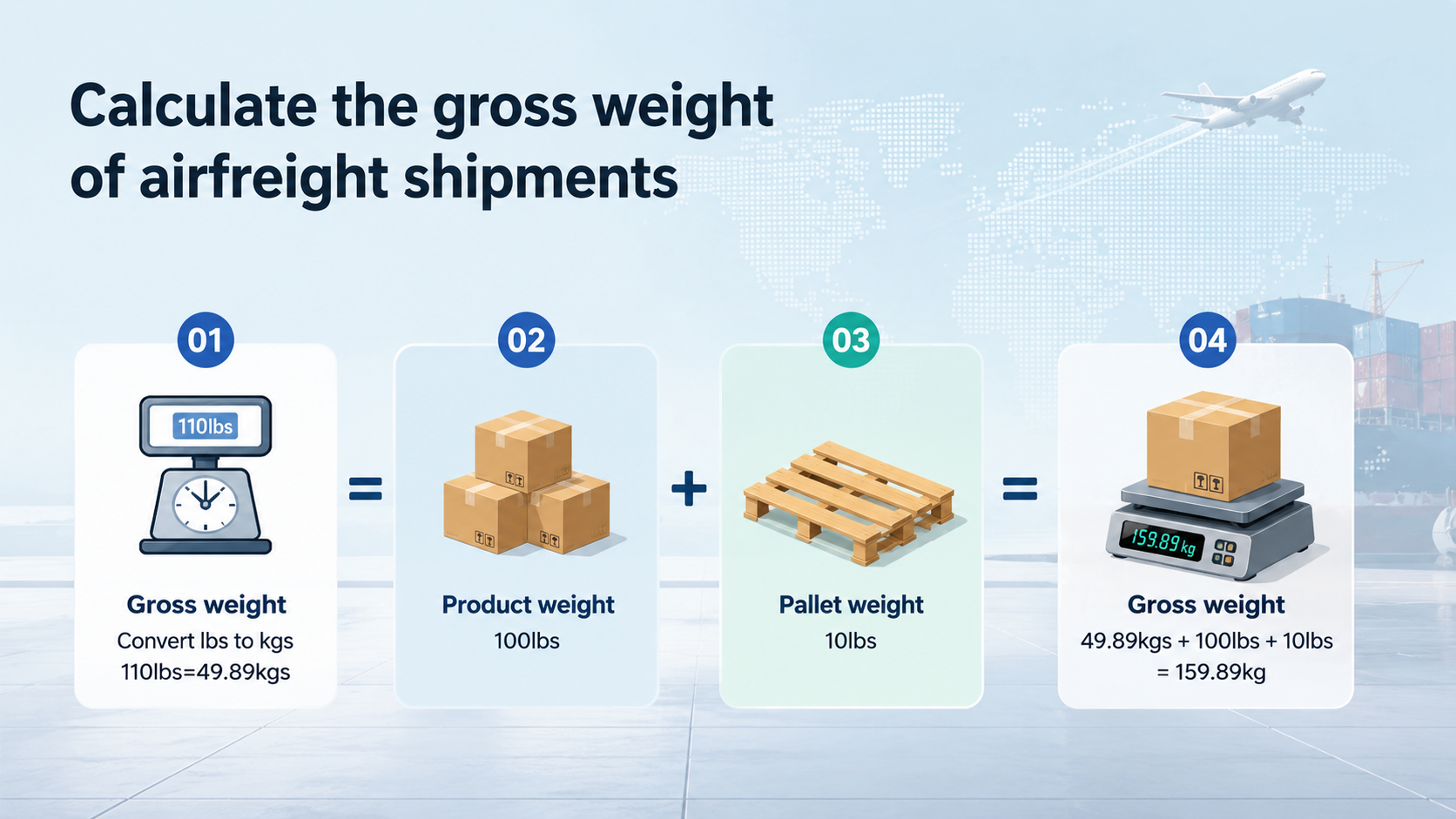
Air freight costs are based on the space the cargo occupies (volumetric weight) rather than just its actual weight (gross weight). You pay whichever is higher between these two measures, which can be surprising for those unfamiliar with volumetric calculations.
Gross weight refers to the physical weight measured on a scale.
Volumetric weight represents how much space your cargo takes up.
To calculate volumetric weight: (Length × Width × Height in cm) ÷ 6000 = volumetric weight in kilograms
For example: A carton measuring 100 × 80 × 60 cm equals 80 kg in volumetric weight.
Door-to-Door Shipping From China to Japan
The door-to-door shipping service manages the entire shipping process, from pickup at the supplier's location in China to final delivery in Japan whether via air or sea freight. This method is highly popular due to its convenience and efficiency.
With this approach, every step of transporting your goods is handled seamlessly including loading, collection, forwarding, and customs clearance, ensuring your shipment is taken care of throughout its journey. Customers appreciate how this method saves both time and effort while being economical.
Working with GB FREIGHT makes the importing process smoother and more efficient. Our experienced logistics team manages every step of the shipment, from supplier pickup in China to final delivery at your destination, ensuring reliable service and peace of mind throughout the entire shipping process.
Door-to-Door Shipping From China to Japan
Door-to-door shipping from China to Japan is one of the most convenient logistics solutions for businesses and personal shipments. The service covers the entire transportation process, including cargo pickup, export handling, customs clearance, international shipping, and final delivery in Japan. By using a single logistics provider, importers can avoid complicated coordination and reduce the risk of delays during transit. Although door-to-door shipping may cost slightly more than standard freight services, it offers greater efficiency, easier shipment management, and a smoother overall importing experience.


