
 |


| Quantity: | |
|---|---|
Kazakhstan
Freight Shipping From China to Kazakhstan
If you're considering freight from China to Kazakhstan, it's important to understand that this is a land-based corridor where factors like rail capacity, border processes, and customs documentation play a critical role. Even minor planning errors at the point of origin can cause significant delays at the border.
You're likely here seeking clear, practical information on costs, and transit times. To help, we’ll guide you through options for air, sea, road, and rail shipping, along with insights into the customs clearance process.
In our experience, the key to avoiding delays and ensuring a seamless shipment often lies in thorough preparation and strategic route planning. If you're looking for an end-to-end logistics partner, GB FREIGHT can manage the coordination for you, tailoring operations to fit your cargo needs, timeline, and risk preferences.
Sea freight From China to Kazakhstan
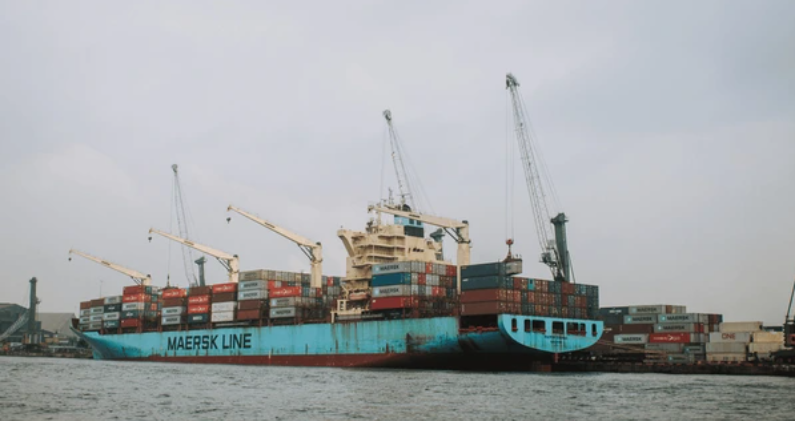
Sea freight from China to Kazakhstan represents a vital trade route, bridging industrial hubs in China like Shanghai and Dalian to the thriving markets of Kazakhstan. Despite the geographical distance, ocean shipping remains a cost-effective option for transporting large volumes of goods, making it a preferred choice for businesses navigating this corridor.
However, the process isn’t without its complexities. Shipping can face logistical hurdles such as paperwork errors, customs delays, or intricate regulatory requirements that challenge even experienced shippers. These difficulties might make the system seem daunting, but with proper guidance and insights, navigating these obstacles becomes manageable. This guide aims to simplify the process, offering practical solutions to ensure seamless transportation of your goods from China to Kazakhstan.
Main Shipping Ports in China
Port of Shanghai
Situated at the mouth of the Yangtze River, the Port of Shanghai stands as a vital transport hub for the vibrant Yangtze River region. It has been the world’s busiest container port since 2010, handling over 203.7 million TEUs as of 2023.
Its main trade routes involve the United States, Europe, and other Asian countries. The port is a cornerstone of the Belt and Road Initiative, boosting economic growth in adjacent provinces.
For companies targeting broad markets in Asia, Europe, and the Americas, the Port of Shanghai offers unmatched logistics advantages due to its high volume and prime location.
Port of Ningbo-Zhoushan
Located in Zhejiang province, the Port of Ningbo-Zhoushan is renowned for its ease of access from mainland China. It’s the world leader in cargo tonnage, handling over 1.12 billion tons in 2020.
Its major trading partners include the United States, Australia, and South Africa, with significant operations in iron ore and crude oil transportation—critical to China’s industrial sectors.
Companies dealing with heavy industries or raw materials should consider the Port of Ningbo-Zhoushan due to its capacity for large-scale shipments and critical strategic trade routes.
Port of Shenzhen
Found in Guangdong Province, this port is comprised of several smaller, interconnected ports. In 2020, it managed over 25.2 million TEUs, serving as a growing gateway to southern China and Southeast Asia.
Its main trade connections cover Southeast Asia, Europe, the Americas, and Australia. The port is also an essential hub along the China-EU trade corridor.
Businesses aiming to expand into Southeast Asian markets or leverage rapid growth in southern China should look to the Port of Shenzhen as a crucial logistics partner.
Port of Guangzhou
Positioned at the Pearl River's mouth in southern China, the Port of Guangzhou remains one of China’s most historic and significant trade centers. It handled over 25.7 million TEUs in 2023.
With connections to over 500 ports across 170 countries and regions worldwide, it plays a central role in facilitating China-Africa trade.
If your business strategy involves Africa as a target region or growth market, utilizing the Port of Guangzhou can be instrumental in optimizing your supply chain.
Port of Qingdao
Situated on the Yellow Sea, the Port of Qingdao acts as a key link between eastern and western shipping routes, processing more than 37 million TEUs in 2023.
The port’s primary partners include countries in East Asia, Southeast Asia, and North America. It is celebrated for its versatile capabilities in cargo handling, including containers, oil shipments, and international cruise services.
If your operations require a range of shipping services—such as container management or oil transport—the Port of Qingdao’s multi-functional facilities offer a comprehensive logistics solution.
Port of Tianjin
Located on Bohai Bay’s western shore, this is Northern China’s largest port and serves as a key maritime gateway to Beijing. It processed approximately 21.8 million TEUs in 2023.
Major trading partners include regions in Europe, the Americas, and the Asia-Pacific. The port provides critical maritime access to Beijing and neighboring areas.
Enterprises requiring proximity to Beijing or northern Chinese markets should consider integrating the Port of Tianjin into their supply chain for efficient logistical access.
Main Shipping Ports in Kazakhstan
Port of Aktau
Nestled on the eastern coast of the Caspian Sea, the Port of Aktau stands as Kazakhstan's primary maritime hub and a critical point for oil exports. It manages approximately 16.4 million tons of cargo annually.
The port predominantly trades with Azerbaijan, Iran, Turkmenistan, and Russia, and is a key link in the Trans-Caspian International Transport Route, emphasizing its strategic role in connecting Europe and Asia.
For enterprises involved in the oil sector or those seeking access to the Trans-Caspian trade network, the Port of Aktau is a vital logistics hub due to its central role in regional trade and transportation.
Port of Kuryk
Located roughly 76 km south of Aktau, the Port of Kuryk is an emerging maritime complex with a growing presence. Its annual capacity reaches 7 million tons, and it is equipped to handle diverse cargo types.
Kuryk focuses on energy transportation and primarily serves nations bordering the Caspian Sea. Its establishment was a strategic move to expand Kazakhstan’s transport networks while reducing traffic on the Port of Aktau.
Companies handling varied cargo types or targeting growth in the energy sector would benefit from considering the Port of Kuryk. Its modern infrastructure and increasing relevance make it a strong contender for logistics planning.
Should I Choose FCL or LCL for Shipping From China to Kazakhstan?
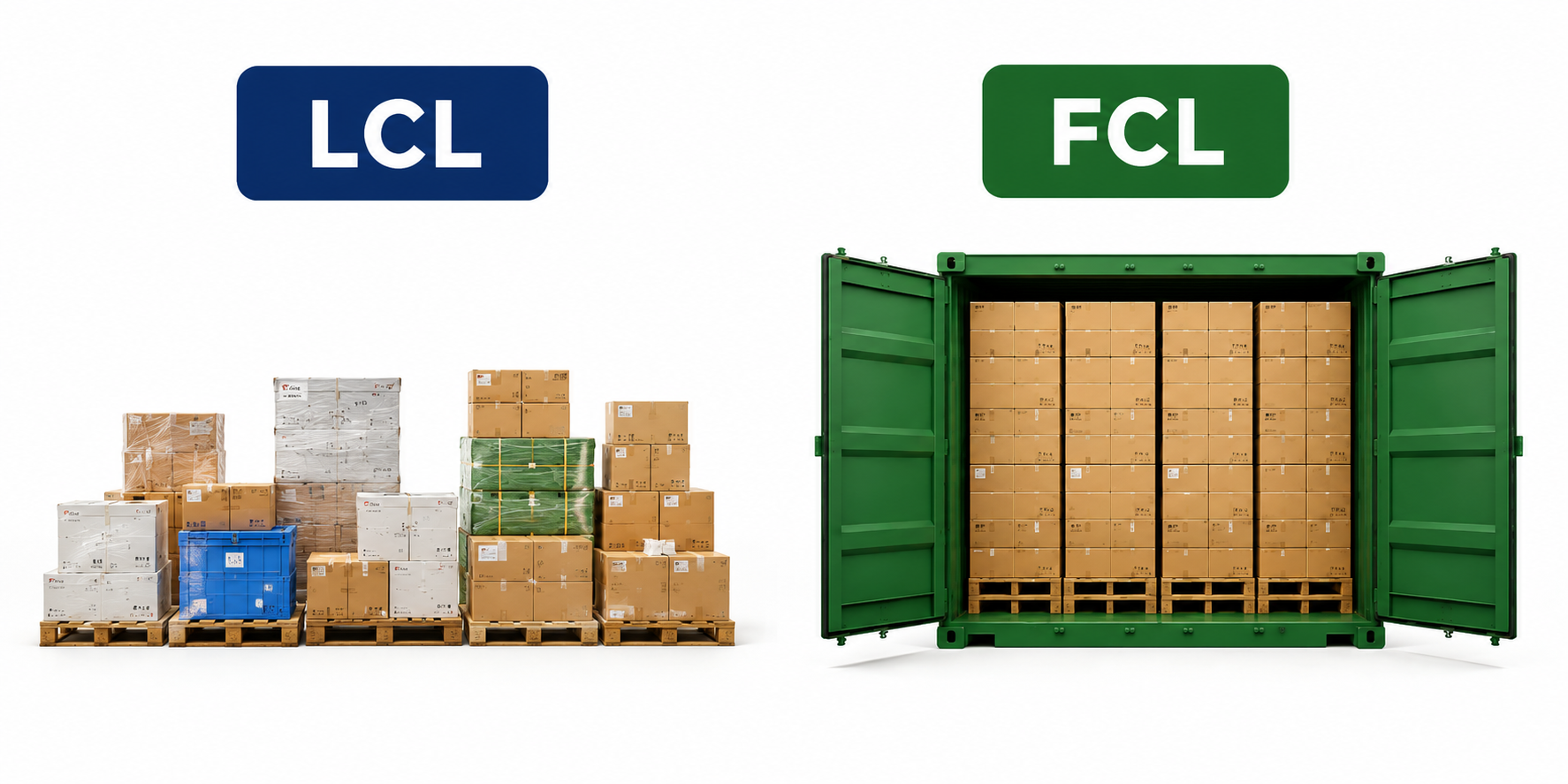
Selecting between Full Container Load (FCL) and Less than Container Load (LCL) shipping is integral when planning shipments from China to Kazakhstan. The decision impacts costs, delivery timelines, and logistical efficiency. Here's a breakdown to guide your choice:
Less than Container Load (LCL)
Definition: LCL involves consolidating smaller shipments from multiple clients into a single container to optimize space and reduce cost.
Ideal for cargo volumes smaller than 13–15 cubic meters (CBM), LCL helps businesses save costs by paying only for space occupied. This option suits small- to medium-sized shipments or businesses dealing with lower-volume orders.
Example: A toy manufacturer in China looking to ship 10 CBM of toys to Kazakhstan would find LCL suitable due to its cost-effectiveness for smaller cargo loads.
While overall shipping costs are less due to shared space, the per-cubic-meter rate is generally higher compared to FCL. Careful assessment of the shipment volume is essential when choosing LCL.
Full Container Load (FCL)
Definition: FCL refers to securing an entire 20-foot or 40-foot container for exclusive use. This option often provides greater security, as the cargo isn't mixed with others.
FCL becomes economical when dealing with shipments exceeding 13–15 CBM due to reduced per-unit costs. It also minimizes handling risks, making it safer for valuable or fragile goods.
Example: An electronics maker shipping 15 CBM of products from Shenzhen to Almaty might prefer FCL, ensuring dedicated space and reduced handling risks during transportation.
While FCL may appear more expensive upfront, it's cost-efficient for bulk orders due to lower unit costs. Note that customs fees at the destination port are typically not included in initial quotes, as is standard across shipping methods.
Choosing the right option between LCL and FCL helps balance your shipping costs, delivery efficiency, and business goals while optimizing your overall logistics operations.
How Long Does Sea Freight Take From China to Kazakhstan ?
Sea freight from China to Kazakhstan typically takes around 14 to 25 days. The exact transit time depends on several factors, including the chosen ports of departure and arrival, the shipment's weight, and the type of goods being transported. For a more accurate estimate based on your shipment details, you can contact GB FREIGHT for a free personalized quote.
China Port | Kazakhstan Port | Average Transit Time |
Port of Shanghai | Port of Aktau | 30 days |
Port of Ningbo | Port of Aktau | 30 days |
Port of Shenzhen | Port of Aktau | 32 days |
Port of Qingdao | Port of Aktau | 30 days |
Below is a general overview of average transit times between major ports in the two countries, though these should be treated as approximate. Actual durations may differ due to various logistical considerations.
Kazakhstan is a landlocked country, and the Port of Aktau is its main sea gateway. The transit times listed from Chinese ports are estimated to Aktau Port.
How much does it cost to ship a container from China to Kazakhstan?
Shipping a container from China to Kazakhstan involves various factors that influence the overall cost. These include the origin and destination points, choice of carrier, type of goods being transported, and fluctuations in market rates. Although pinpointing an exact price can be challenging, estimates typically range from a few hundred to several thousand dollars per cubic meter (CBM). Every shipment is assessed individually, and costs are customized to align with specific requirements. With personalized quotations and expert guidance, shipping specialists aim to secure the optimal rates for your needs, emphasizing dedicated service to ensure your shipment is well-handled.
Special Transportation Options
Out of Gauge (OOG) Containers
OOG containers accommodate goods that are too large or heavy for standard containers. These items are often transported using flat rack containers. Examples of suitable cargo include heavy machinery, industrial equipment, or oversized items such as cranes and bulldozers. This option is ideal if your business deals with large goods that require intact transportation without disassembly.
Break Bulk Shipping
This method transports individually loaded items, rather than standard containerized goods. It is suited for oversized or heavy cargo such as timber, steel girders, or boats. Break bulk shipping offers flexibility for non-standardized items that cannot fit into typical containers, making it a valuable option for unique or bulkier shipments.
Dry Bulk
Dry bulk shipping is designed for transporting homogeneous unpackaged goods like coal, grain, or minerals. These materials are simply poured into a ship’s hold and are ideal for businesses dealing with large quantities of free-flowing dry goods such as rice or cement. This is a cost-effective method for bulk shipments.
Roll-on/Roll-off (Ro-Ro)
The Ro-Ro method is intended for vehicles like cars, trucks, trailers, and rail carriages. These are driven onto specialized Ro-Ro vessels and unloaded at the destination port. It is particularly efficient for businesses focused on vehicle transportation, as it simplifies loading and unloading operations.
Reefer Containers
Reefer containers include built-in refrigeration systems to accommodate perishable goods requiring temperature control during transit. Ideal for items like fruits, vegetables, dairy products, meats, and seafood, this method ensures the freshness of goods throughout the shipping process, minimizing losses for businesses handling temperature-sensitive products.
At GB FREIGHT, we cater to diverse transportation needs with tailored services designed to streamline your shipping experience. Reach out to us for a free quote and take the first step toward straightforward international freight solutions.
Air Freight From China to Kazakhstan
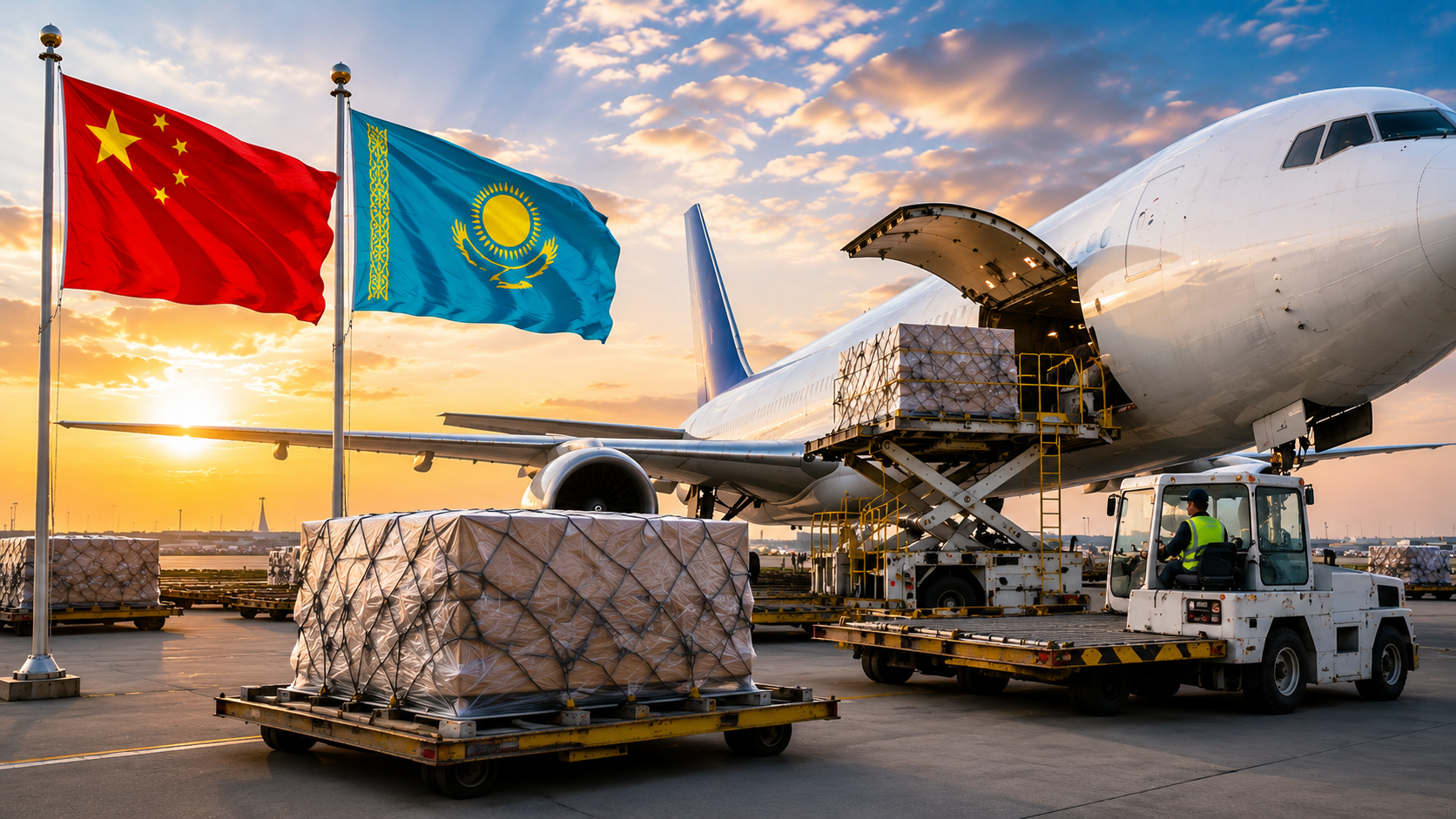
Air freight is often the fastest and most reliable method for transporting goods from China to Kazakhstan, especially when dealing with small, high-value cargo such as luxury textiles, cutting-edge electronics, or customized machine components. However, misjudging air freight costs can quickly turn a streamlined solution into an expensive misstep. The intricacies of calculating shipping costs often referred to as "dimensional weight" or "chargeable weight", can be tricky and potentially costly if misunderstood. Additionally, neglecting best practices might lead to unnecessary hurdles along the way. This guide aims to clarify the complexities of air freight pricing, ensuring a smoother and more profitable shipping experience.
The Main International Airports in China
Airport | Code | Advantages |
Beijing Capital International Airport | PEK | Major global cargo hub with advanced logistics facilities and strong worldwide connections |
Shanghai Pudong International Airport | PVG | China’s busiest cargo airport with extensive international freight routes and fast customs clearance |
Guangzhou Baiyun International Airport | CAN | Important South China logistics hub ideal for ASEAN and international cargo shipments |
Chengdu Shuangliu International Airport | CTU | Strategic gateway to Western China with growing cargo connections to Europe and Asia |
Xiamen Gaoqi International Airport | XMN | Key Southeast China airport with strong Taiwan and regional Asia trade connectivity |
The Main International Airports in Kazakhstan
Airport | Code | Advantages |
Almaty International Airport | ALA | Kazakhstan’s largest cargo airport linking Asia and Europe with modern cargo handling systems |
Nur-Sultan Nazarbayev International Airport | NQZ | Important cargo gateway for Central Kazakhstan with strong regional and European connections |
Aktau International Airport | SCO | Strategic airport serving the Caspian region with multimodal transport access |
Atyrau International Airport | GUW | Specialized airport supporting oil, gas, and industrial cargo transportation |
Pavlodar International Airport | PWQ | Important regional logistics airport connecting Kazakhstan with Eurasian trade routes |
Is Air Cargo the Right Choice From China to Kazakhstan?
Opting for air cargo when shipping from China to Kazakhstan offers a practical and dependable solution. With major airlines like China Southern Airlines and Air Astana facilitating efficient cargo handling, this option becomes particularly attractive when speed and reliability are priorities. However, keep in mind that while air cargo can save costs in some instances, transit times may be impacted by fixed flight schedules. For shipments weighing over 100 to 150 kilograms (220 to 330 pounds), air freight proves even more advantageous, often striking an ideal balance between budget and delivery time. It’s a smart option to consider, especially when time is of the essence or your shipment requires extra care.
How long does air freight take From China to Kazakhstan?
Air freight shipping from China to Kazakhstan typically takes about 4 to 6 days on average. However, transit times may vary depending on factors like the specific departure and arrival airports, the weight of the shipment, and the type of goods being transported. For the most accurate estimate tailored to your needs, it’s advisable to consult a freight forwarding service such as GB FREIGHT.
How much does it cost to ship a parcel From China to Kazakhstan via air freight?
Air freight rates from China to Kazakhstan generally range from $3 to $6 per kilogram. However, determining an exact cost can be challenging due to variables like parcel dimensions, weight, goods classification, and the departure and arrival points. While shipping prices might seem complex, working with professionals can simplify the process. Our team offers personalized quotes based on your specific requirements, ensuring optimal value for you. Reach out to us today for free quote.
What is the difference between volumetric and gross weight?
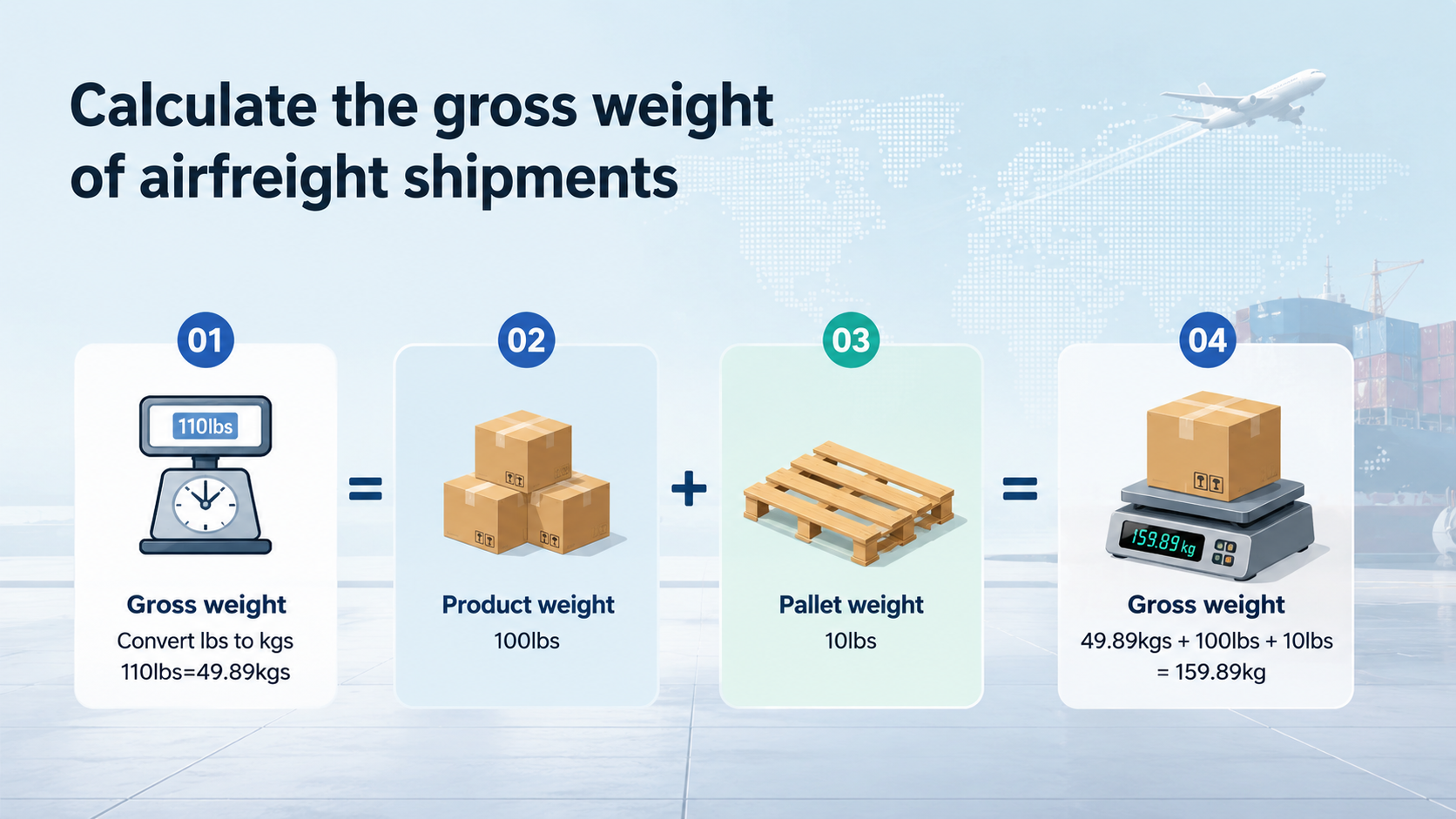
Gross weight refers to the actual physical weight of your shipment measured in kilograms, while volumetric weight (also called dimensional weight) measures the amount of space a package occupies. In air freight, carriers charge based on whichever is higher between gross weight and volumetric weight.
Gross weight is simply measured using a scale. Volumetric weight, however, is calculated using the shipment’s dimensions. For standard air cargo, multiply the package length × width × height (in cm) and divide by 5000.
For example, a shipment measuring 200 × 150 × 100 cm would have a volumetric weight of 600 kg.
Understanding the difference is important because freight charges are based on the higher value between actual weight and volumetric weight. This pricing method ensures fair costs by accounting for both the cargo’s weight and the space it occupies during transport.
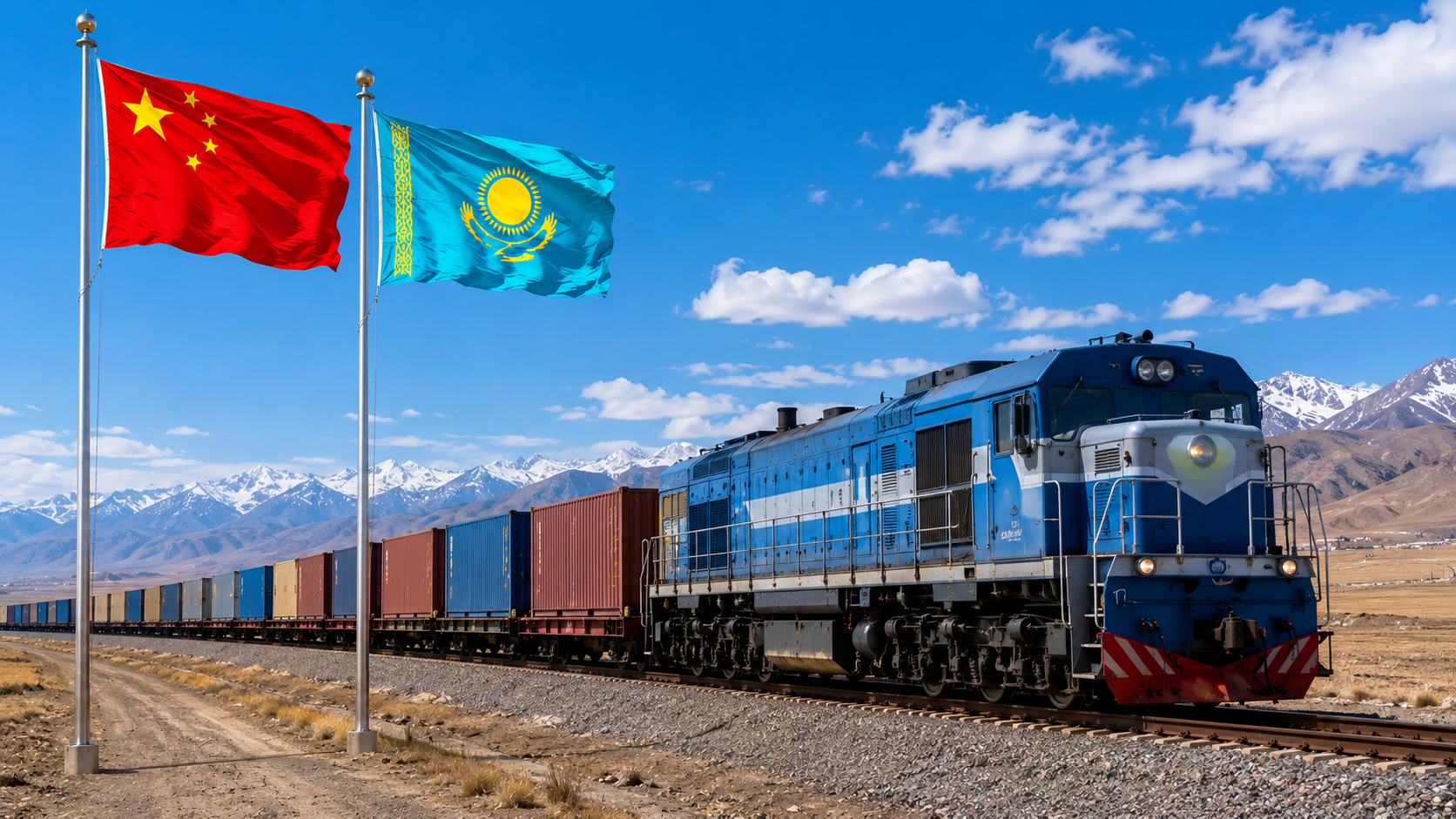
Rail Freight From China to Kazakhstan
Rail freight from China to Kazakhstan has become an important trade corridor connecting Asia and Central Asia. Since its development in the 1990s, this railway route has played a key role in transporting industrial goods, machinery, electronics, and commercial cargo between the two countries.
Compared with air freight, rail transport offers a more cost-effective solution for heavy and bulk cargo while providing faster transit times than sea freight. However, businesses still need to manage customs procedures, documentation requirements, and potential transportation delays carefully.
For many importers and exporters, rail freight is an efficient and reliable logistics option that balances shipping cost, transit time, and cargo capacity.
Main Train Stations in China
- Dalian Station, China
- Beijing West Station, China
- Shenzhen Station, China
- Shanghai Station, China
Main Train Stations in Kazakhstan
- Dostyk Station, Kazakhstan
- Almaty Station, Kazakhstan
- Aktau Port, Kazakhstan
- Atyrau Station, Kazakhstan
How long does rail freight take From China to Kazakhstan?
The transit time for rail freight from China to Kazakhstan is not fixed and depends on various factors such as customs processing, weather, and rail schedule fluctuations. On average, it takes around 14 to 16 days. Popular rail networks connecting the two countries may have different transit times and departure frequencies.
| Rail Freight Transit Time from China to Kazakhstan | |
| Route | Transit Time |
| Xi'an → Almaty | 8-10 days |
| Xian → Astana (Nur-Sultan) | 9-11 days |
| Zhengzhou → Almaty | 9-11 days |
| Chengdu → Almaty | 8-12 days |
| Chongqing → Almaty | 9-12 days |
| Yiwu → Almaty | 10-12 days |
| Urumqi → Alashankou → Almaty | 5-7 days |
| Xi'an → Shymkent | 9-12 days |
| Zhengzhou → Astana | 10-13 days |
Keep in mind that these figures are approximate, as rail transport timings can sometimes be unpredictable.
Advantages of rail transport From China to Kazakhstan
Rail freight provides an optimal balance between speed and cost in today’s logistics landscape faster than sea freight and significantly more affordable than air freight. If you’re transporting goods from China to Kazakhstan, rail becomes the ideal compromise. Unlike sea freight, which involves lengthy transit times, rail can deliver goods in less than half the time. While air freight guarantees speed, its high price tag can often be a limiting factor. For instance, if you’re shipping heavy machinery parts that don’t require immediate delivery, rail freight offers an efficient solution, ensuring timely transport without straining your budget. In essence, rail freight is a practical middle ground designed to meet your logistical needs while keeping expenses manageable.
Cost of shipping goods by train From China to Kazakhstan
Pinpointing the exact cost of rail freight from China to Kazakhstan can be tricky since rates depend on several variables, such as cargo type, volume, distance, and additional services required. However, these complexities are no reason to worry. Teams specializing in logistics assess each case individually to provide customized pricing that best suits your requirements. If you’re ready to explore your options, you can request a free quote and get tailored pricing details. Let’s streamline your shipment process together.
Door-to-door shipping From China to Kazakhstan
Door-to-door shipping from China to Kazakhstan offers a seamless and efficient solution to transport your goods with minimal hassle. By simplifying logistics, reducing paperwork, and streamlining communication, this service ensures faster transit times and greater convenience. Ideal for businesses and individuals alike, it’s no surprise this method is becoming the preferred choice for shipping. Let’s explore why this option might be your best bet.
Door-to-Door Shipping
Shipping from China to Kazakhstan doesn't have to be complicated. Door-to-door service provides an all-in-one logistics solution, taking over everything from collection at the origin to delivery at the final destination. While it may come at a slightly higher cost compared to other methods, the convenience of having customs, paperwork, and transportation handled for you is worth it. The only task left for you is to monitor delivery timelines, ensuring everything stays on track. With the burden off your shoulders, you can enjoy peace of mind and focus on what matters most—your business operations.
Why Choose for Door-to-Door Shipping?
Stress-Free Logistics: Forget about juggling between transport providers—your forwarder will coordinate every step, including local networks and arrangements from pickup to delivery.
Speed and Efficiency: For time-sensitive shipments, this service guarantees swift delivery. Your parcel makes its way to Kazakhstan with precision and minimal delays.
Specialized Handling: Fragile, high-value, or complex shipments are treated with the care they require, ensuring your cargo arrives in perfect condition.
Multimodal Convenience: Whether by air, sea, or road, your goods transition effortlessly between transport modes. Customs clearance, trucking arrangements—it’s all taken care of.
Enhanced Tracking: Stay updated every step of the way. With real-time tracking, you remain in control even while thousands of kilometers away.
Why Choose GB FREIGHT?
GB FREIGHT specializes in door-to-door shipments from China and Kazakhstan, offering a comprehensive logistics system that handles everything from A to Z. From packaging to transportation and customs clearance, GB FREIGHT eliminates unnecessary stress while ensuring reliability and efficiency.
Request a free estimate or connect with our team of consultants for complimentary advice. Let take care of your shipping needs so you can focus on growing your business.


