
 |


| Quantity: | |
|---|---|
New Zealand
Freight Shipping From China to New Zealand
Shipping freight from China to New Zealand requires careful planning due to the long distance between the two countries. Sea freight is the most cost-effective option for large and bulk cargo, while air freight is ideal for smaller, high-value, or time-sensitive shipments. Since rail and road transport are not possible across the Pacific Ocean, choosing the right shipping method depends on your cargo type, delivery timeline, and budget. Proper logistics planning helps reduce costs and ensure smooth transportation.
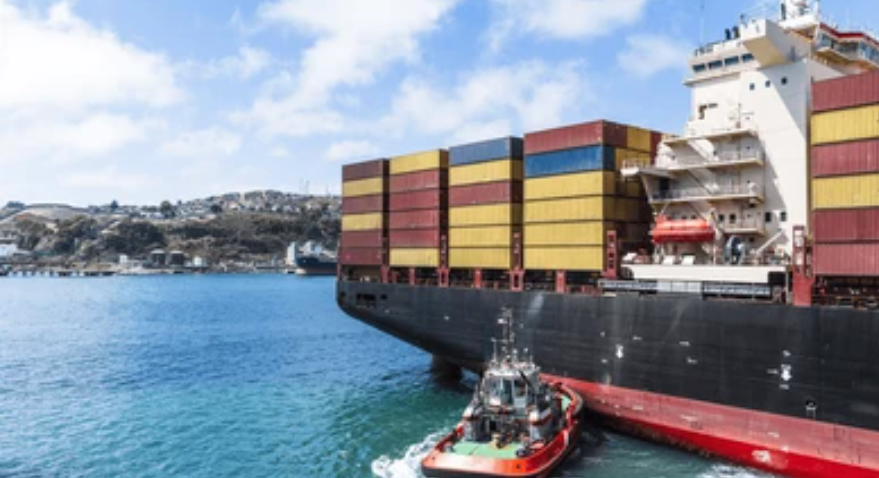
Sea freight From China to New Zealand
Planning to ship your goods from China to New Zealand? You’re engaging in a vital trade route that links major Chinese ports like Shanghai, Ningbo, and Shenzhen with New Zealand’s key ports such as Auckland and Tauranga. Ocean freight is an excellent choice, particularly for transporting large volumes of goods. While it may not be the fastest option, it stands out for its cost-efficiency and reliability, especially when dealing with bulky shipments.
However, navigating this route isn’t without its challenges,it can feel daunting if you’re not well-prepared. The process is rife with complexities, and businesses often find themselves walking a fine line that, without proper guidance, can lead to costly mistakes. But there’s no need to worry; getting a grasp on the ins and outs of shipping isn’t as overwhelming as it might seem.
Main Shipping Ports in China
Port of Shanghai
Located at the Yangtze River estuary, the Port of Shanghai is the largest and busiest container port in the world. It offers extensive global shipping routes and strong connections with Europe, North America, Australia, and Asia. With its massive handling capacity and efficient logistics infrastructure, Shanghai is one of the most important gateways for international trade from China.
Port of Ningbo-Zhoushan
Situated in Zhejiang Province along the East China Sea, Ningbo-Zhoushan is one of China’s leading deep-water ports. It plays a major role in container shipping, bulk cargo transportation, and international trade with Europe, Australia, and the United States. The port is especially suitable for large-volume exports and industrial cargo.
Port of Shenzhen
Located in Guangdong Province, the Port of Shenzhen is a key export hub in South China. It is widely used for electronics, consumer goods, and e-commerce shipments. Thanks to its strategic location near major manufacturing centers, Shenzhen provides efficient logistics services and strong global shipping connectivity.
Port of Guangzhou
The Port of Guangzhou is one of China’s most important comprehensive ports, serving both domestic and international trade. With connections to hundreds of ports worldwide, it supports container shipping, machinery exports, and general cargo transportation throughout Asia, Europe, and North America.
Port of Qingdao
Located in Shandong Province, the Port of Qingdao is an important gateway for Northern China and Pacific trade routes. It is known for handling agricultural products, machinery, industrial materials, and bulk commodities. Its strategic location and modern facilities make it a reliable choice for international shipping.
Port of Tianjin
As the main seaport serving Beijing and Northern China, the Port of Tianjin plays a vital role in international logistics and regional distribution. It maintains strong trade connections with Asia, Europe, and the Americas, making it an important hub for containerized cargo and industrial exports.
Main Shipping Ports in New Zealand
Port of Auckland
Located in New Zealand’s largest city, the Port of Auckland is one of the country’s busiest container ports. It maintains strong trade connections with Asia and Australia while handling containers, vehicles, and bulk cargo. Its central location and extensive transport network make it an important gateway for businesses targeting the North Island market.
Port of Tauranga
Situated in the Bay of Plenty, the Port of Tauranga is New Zealand’s largest port by total cargo volume. It serves as a major export hub with strong links to Asia and Australia, supporting industries such as agriculture, forestry, and manufacturing. The port is known for its efficient operations and large-scale cargo handling capacity.
Port of Lyttelton
Located near Christchurch on the South Island, the Port of Lyttelton plays a vital role in regional trade and logistics. It handles containerized cargo, agricultural exports, and industrial goods while maintaining strong shipping connections with Asia, North America, and the Middle East.
Port of Napier
Positioned in Hawke’s Bay, the Port of Napier is an important export gateway for timber, agricultural products, and bulk cargo. Its strategic East Coast location and specialized export facilities make it highly suitable for forestry and farming industries.
Port of Nelson
Located at the northern tip of the South Island, the Port of Nelson supports key industries including seafood, timber, and fruit exports. The port maintains reliable trade routes with Australia, Asia, Europe, and North America, making it an important logistics hub for regional exporters.
Port of Dunedin
Situated on Otago Harbour, the Port of Dunedin is a key export port for Southern New Zealand. It specializes in forestry, dairy, meat, and agricultural products while supporting trade with Asia and Australia through efficient cargo handling facilities.
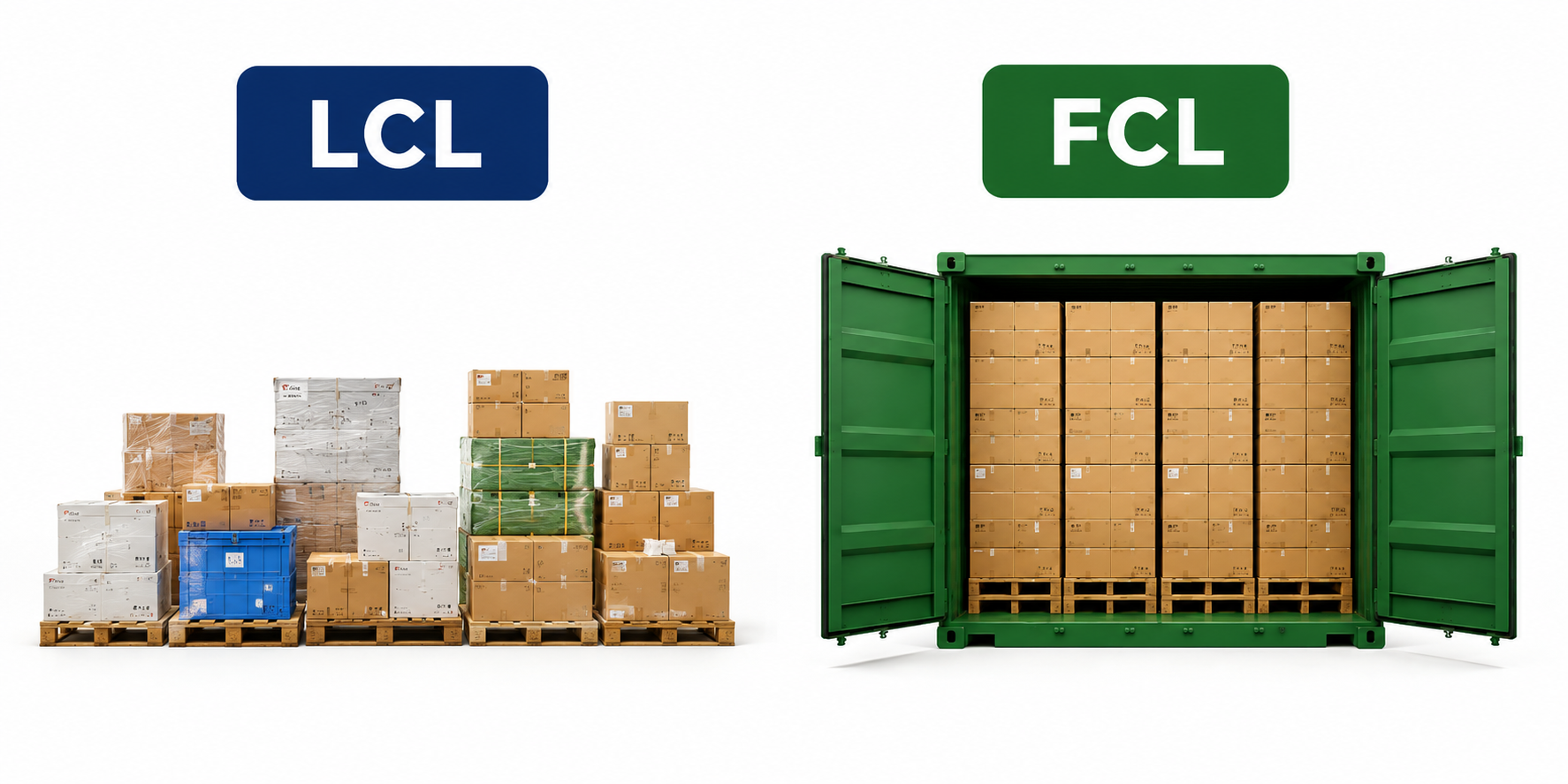
Should you choose FCL or LCL for shipping goods from China to New Zealand
This decision can play a pivotal role in determining the cost-effectiveness, efficiency, and delivery timelines of your shipments. Understanding the key features of Full Container Load (FCL) and Less-than Container Load (LCL) shipping is essential for making an informed choice tailored to your specific needs. Let's dive into the details of both options, weigh their pros and cons, and help you decide which solution works best for your business.
LCL: Less than Container Load
Definition: LCL (Less than Container Load) refers to a shipping arrangement where cargo from multiple shippers is combined into a single container. This consolidation process allows businesses with smaller shipment volumes to share container space.
LCL is most effective when your cargo volume is below 15 cubic meters (CBM). This option provides flexibility and suits businesses with smaller shipments, as it eliminates the need to pay for unused container space.
Example: Imagine an electronics exporter in Shenzhen with a shipment of 10 CBM destined for Auckland. Instead of booking a full container, they can opt for LCL shipping, sharing space and costs with other shippers. By only paying for their portion of the container, they can significantly reduce expenses.
Although the cost per unit in LCL shipping may be slightly higher than FCL, it proves cost-effective for small-volume shipments. Additionally, businesses save on storage costs by avoiding delays caused by waiting to fill an entire container. This makes LCL an ideal choice for small to medium enterprises with limited shipment sizes.
FCL: Full Container Load
Definition: FCL (Full Container Load) involves renting an entire container for your exclusive use. This means your cargo fills the container completely, or you choose to use it solely for your goods regardless of the space used.
FCL is generally the better option for shipments exceeding 13–15 CBM. Beyond the cost advantages for larger volumes, FCL also offers enhanced security since the container remains sealed from departure to arrival, minimizing the risk of damage or loss during transit.
Example: Consider a company shipping 18 CBM of furniture from Shanghai to Auckland. By choosing FCL, they can secure a 20-foot container exclusively for their goods, ensuring better protection and streamlined handling.
While the upfront expense of renting a full container (e.g., 20-foot or 40-foot) may appear higher than LCL, the per CBM rate decreases significantly for larger volumes. Furthermore, customs clearance and handling processes tend to be simpler and potentially less expensive in FCL shipping, adding to its overall cost-effectiveness.
The choice between FCL and LCL comes down to the size of your shipment, your budget, and specific logistical requirements. For smaller shipments under 15 CBM, LCL offers a practical and economical choice. On the other hand, if your shipment is larger or if security and simpler handling are priorities, FCL might be a better fit. By evaluating your cargo volume and business needs, you can ensure an efficient and cost-effective shipping experience tailored to your requirements.
How long does sea freight take From China to New Zealand?
Sea freight from China to New Zealand typically takes between 15 and 35 days. However, transit times can vary based on factors such as the chosen ports, the type and weight of cargo, and the specific shipping schedule. To get a more accurate estimate based on your shipment details, you can contact GB FREIGHT for a free personalized quote.
Below is a table outlining the average transit times for shipments from major ports in China to New Zealand:
From (China) | To (New Zealand) | Average Transit Time (Days) |
Shanghai | Auckland | 21 |
Shenzhen | Wellington | 31 |
Tianjin | Christchurch | 21-25 |
Guangzhou | Tauranga | 19-20 |
Note: These are approximate figures and may vary depending on specific shipping schedules.
How much does it cost to ship a container From China to New Zealand?
The cost of ocean freight from China to New Zealand can be quite variable, with prices depending on several factors, such as loading and destination ports, choice of carrier, cargo type, and market trends.
Since shipping rates fluctuate, especially with changing market conditions, it’s better to get a customized quote. Freight experts at GB FREIGHT can provide tailored cost estimates based on your specific shipping requirements to ensure you get the most competitive rates.
Special Transportation Services
Out of Gauge (OOG) Container
Specifically designed for oversized cargo that exceeds standard container dimensions.
Suitable for: Heavy machinery, large equipment, or construction materials.
Examples: Wind turbine blades, large generators, excavation equipment.
Ideal for safely and efficiently transporting cargo that requires more space than conventional containers can accommodate.
Break Bulk Shipping
Involves individually loading goods or cargo that cannot be containerized.
Suitable for: Loose cargo loads, construction materials, unusual equipment sizes.
Examples: Steel pipes, large wooden crates, oversized machinery.
A flexible solution for cargo that doesn’t fit typical container dimensions or handling constraints.
Dry BulkTransporting large quantities of unpackaged, homogeneous goods directly into a ship’s hull.
Suitable for: Bulk commodities like coal, grains, or minerals.
Examples: Sand, fertilizer, sugar.
The most cost-effective method for shipping large quantities of commodities without packaging.
Roll-on/Roll-off (Ro-Ro)
Vessels designed for wheeled cargo, which can roll on and off the ship under their own power or via loading equipment.
Suitable for: Vehicles, machinery with wheels, or other motorized equipment.
Examples: Tractors, trucks, buses, construction vehicles.
Ensures a simple and efficient loading/unloading process for wheeled or motorized items.
Reefer Containers
Temperature-controlled containers designed to transport perishable goods requiring specific temperature settings.
Suitable for: Perishable items like food products, pharmaceuticals, or chemicals.
Examples: Fresh produce, meats, vaccines.
Maintains the integrity and quality of temperature-sensitive cargo during transportation.
At GB FREIGHT, we understand the unique challenges each business faces when organizing international shipments. Reach out to us today for a free shipping quote and let us make your logistics process seamless.
Air Freight From China to New Zealand
Exploring the dynamic trade route from China to New Zealand, air freight stands out as the fastest and most efficient option for transporting small, high-value goods like electronics or pharmaceuticals. If your business relies on prompt delivery, air freight could be your best choice. However, before opting for this method, it’s crucial to get your calculations right. Mistakes such as underestimating costs or misjudging the weight of goods can lead to budget oversights, making the shipping process far less smooth than expected. Below, we’ll share insights to help you avoid common errors and make air freight a hassle-free experience.
Is Air Cargo the Right Choice From China to New Zealand?
Air cargo is often ideal for shipments weighing between 100-150 kg (220-330 lbs). Airlines like Air China Cargo and Air New Zealand Cargo specialize in this route, offering services that are reliable and economical despite slightly longer transit times due to fixed schedules. For businesses desiring quick delivery and reasonable costs, air cargo provides a viable alternative to sea transport, especially when time is of the essence and the budget permits.
How long does sea freight take From China to New Zealand ?
Typically, air freight from China to New Zealand takes around 3 to 5 days. However, transit time can vary depending on factors such as the departure and arrival airports, package weight, and the type of goods being shipped. Since circumstances differ for each shipment, it’s advisable to consult GB FREIGHT to receive precise transit time estimates tailored to your needs.
How much does it cost to ship a container from China to New Zealand?
Air freight prices generally range between $5 and $10 per kilogram when shipping from China to New Zealand. The final cost depends on variables such as airport locations, parcel dimensions, weight, and product type. To provide clarity, our company ensures all quotes are customized to reflect these specifics, offering competitive rates and eliminating any uncertainty. Feel free to reach out for a tailored quote.
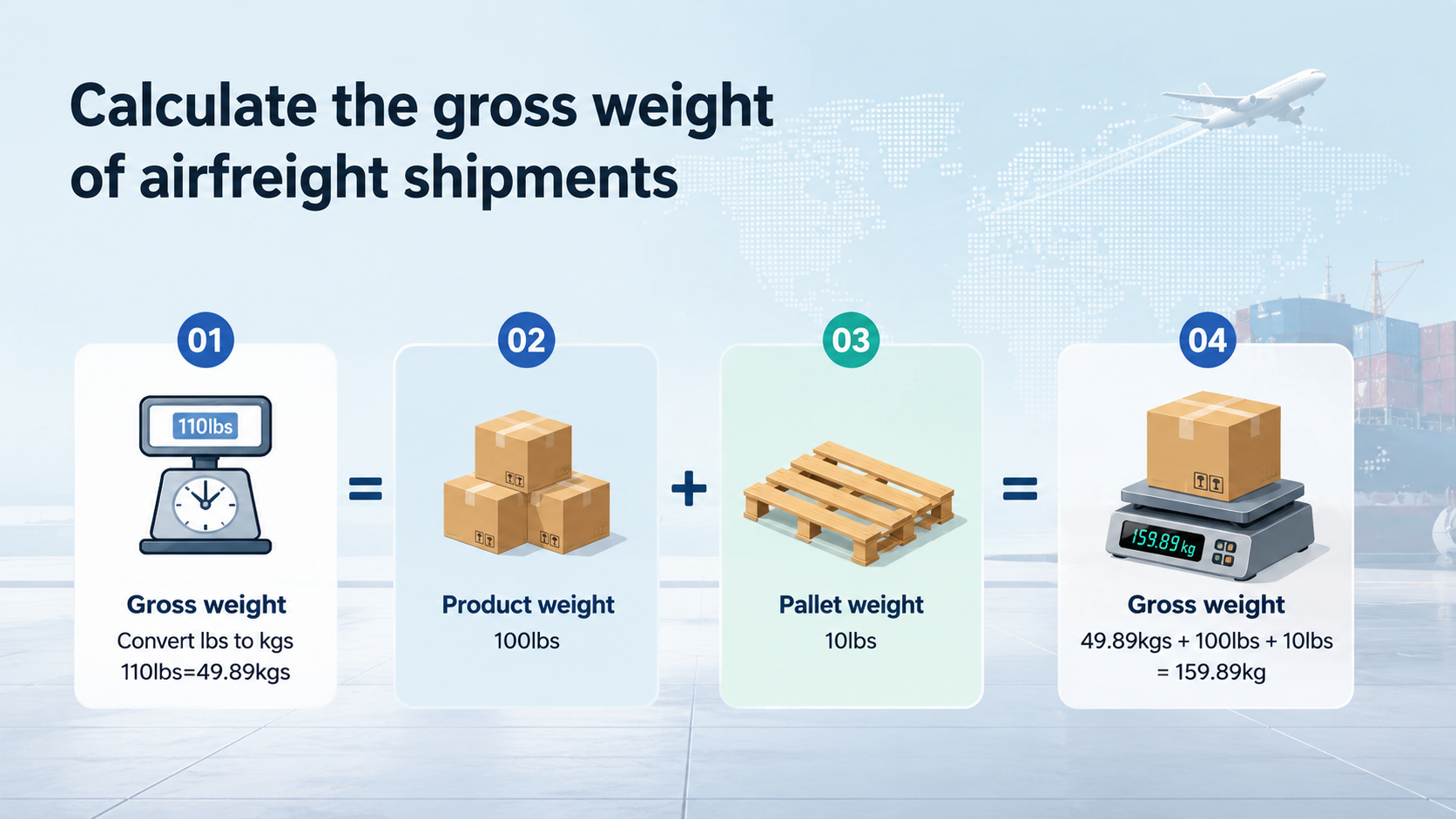
Understanding Volumetric Weight vs. Gross Weight
When calculating shipping costs, it’s crucial to differentiate between gross weight and volumetric weight. Gross weight refers to the actual physical weight of the shipment, including goods, packaging, and any additional materials like pallets. Volumetric weight (also known as dimensional weight) evaluates how much space a package occupies relative to its actual weight.
Gross Weight Calculation: Simply weigh your shipment on a scale. The measurement is typically recorded in kilograms (kg); you can convert it to pounds (lbs) by multiplying by 2.20462.
Volumetric Weight Calculation: Volumetric weight is derived using this formula for air cargo: Length (cm) × Width (cm) × Height (cm) ÷ 6000. For express air freight, the divisor changes to 5000. The result, in kilograms, can also be converted to pounds using the same multiplier.
Shipping costs usually depend on whichever metric gross or volumetric weight is higher. This approach helps carriers account for both the physical weight and the spatial footprint of shipments, ensuring fair pricing and efficient logistics planning.
Door-to-Door Shipping From China to New Zealand
For hassle-free international shipping, door-to-door service is the ultimate choice, especially when moving goods from China to New Zealand. This solution takes care of every step, from pick-up at the origin to delivery at the final destination. Enjoy benefits like reduced costs, minimal delays, and unmatched convenience. Intrigued? Let’s explore further!
Door-to-Door Shipping
Feeling overwhelmed by the complexity of shipping from China to New Zealand? Door-to-door shipping simplifies the process, offering effortless handling, transparent pricing, and comprehensive goods protection. While it generally comes with higher costs and a slight risk of delays compared to port-to-port options, its convenience and efficiency are unparalleled. With a focus on navigating complex logistics and addressing common concerns, this option has become a preferred solution for many clients. Let this guide ease your worries and show you just how seamless cross-border shipping can be.
Why Choose Door-to-Door Shipping from China to New Zealand?
Stress-Free Logistics: Forget about coordinating multiple transportation stages. With door-to-door service, your shipment is picked up in China and delivered to its final destination in New Zealand without you lifting a finger. Grab a coffee and relax while the process takes care of itself.
Prompt and Reliable Deliveries: Tight timelines? No problem. The service ensures smooth transitions across different shipping stages, reducing delays so your goods arrive on schedule.
Expert Handling for Complex Cargo: If you’re shipping fragile or specialized items, door-to-door service gives you peace of mind with its tailored care for sensitive shipments every step of the way.
Seamless Convenience: Beyond transit logistics, the service includes last-mile delivery straight to your door or warehouse, whether it’s in the heart of Auckland or the serene outskirts of Dunedin.
Transparent All-Inclusive Pricing: Say goodbye to hidden fees and confusing invoices. A single, upfront quote covers all expenses, from shipping and customs clearance to duties, ensuring no surprises down the line.
In essence, door-to-door shipping offers a streamlined, customizable, and cost-effective approach to logistics. It allows you to focus on other aspects of your business while leaving complicated transport details in capable hands.
GB FREIGHT: Experts in Door-to-Door Shipping from China to New Zealand
GB FREIGHT takes the pain out of international shipping with its comprehensive door-to-door solutions from China to New Zealand. Every detail is managed seamlessly from careful packing and secure transit to efficient customs clearance and coordination of shipping methods. A dedicated Account Executive ensures your shipment is in expert hands throughout its journey.
Request a free quote or connect with our consultants for personalized guidance. With GB FREIGHT, transform logistics challenges into competitive edges, because successful shipping starts with top-tier management.


