
 |


| Quantity: | |
|---|---|
Saudi Arabia
Freight Shipping From China to Saudi Arabia
Shipping goods from China to Saudi Arabia requires careful planning, as small mistakes in port selection, Incoterms, or customs documentation can quickly lead to delays and extra costs. Although the route looks simple, shipping rates, transit times, and clearance requirements often vary depending on the destination and inland transport arrangements.
This guide helps businesses better understand transport options and shipping planning to reduce risks and avoid unexpected problems. If you need professional support, GB FREIGHT can provide reliable guidance, market insights, and efficient logistics solutions for shipments from China to Saudi Arabia.
Sea Freight from China to Saudi Arabia
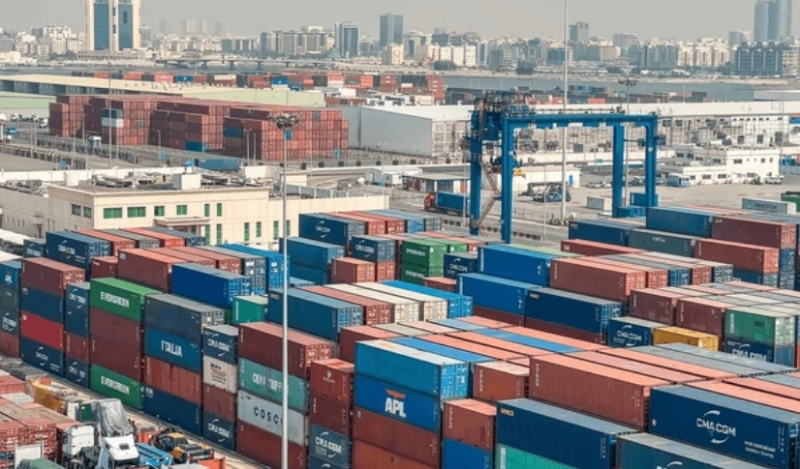
Sea freight is a cost-effective solution for transporting large cargo volumes such as industrial goods, machinery, retail products, and containerized shipments between China and Saudi Arabia. It is especially suitable for FCL and LCL cargo when delivery speed is less critical and stable shipping costs are a priority.
However, successful ocean shipping depends heavily on proper planning. Mistakes involving Incoterms, port selection, customs documentation, or peak-season scheduling can lead to delays, storage fees, and unexpected destination charges. With the right logistics strategy and clear shipment planning, businesses can reduce risks, control costs, and achieve smoother shipping operations on this route.
The Main Shipping Ports in China
Port of Shanghai
The Port of Shanghai is one of the world’s busiest container ports and a major gateway for trade between China and the Middle East. With frequent sailings to Saudi Arabia, it offers reliable vessel schedules and strong connectivity for both FCL and LCL cargo.
For businesses shipping high cargo volumes or requiring stable logistics operations, Shanghai provides excellent international shipping capacity and efficient distribution services.
Port of Ningbo-Zhoushan
Located in Zhejiang Province, the Port of Ningbo-Zhoushan is a key export hub for container shipping from China to Saudi Arabia. The port is known for its strong handling capacity, efficient operations, and extensive global shipping network.
Its reliable Middle East shipping routes make it a preferred choice for businesses moving industrial goods, machinery, and bulk cargo internationally.
Port of Shenzhen
Situated in Southern China, the Port of Shenzhen plays an important role in international trade and export logistics. With regular shipping services to Saudi Arabia and strong LCL consolidation capabilities, it is widely used for electronics, e-commerce, and manufacturing cargo.
For companies shipping from South China, Shenzhen offers efficient logistics solutions and smooth cargo handling operations.
Port of Guangzhou
The Port of Guangzhou is a major commercial gateway serving the Pearl River Delta region. It supports frequent container shipping services to the Middle East and is especially suitable for export-oriented industries in Southern China.
Businesses can benefit from its strong inland transport connections and cost-effective shipping solutions for international trade.
The Main Shipping Ports in Saudi Arabia
Jeddah Islamic Port
Jeddah Islamic Port is Saudi Arabia’s main commercial seaport and a key logistics hub for cargo arriving from China. Located on the Red Sea, it serves western and central Saudi Arabia and handles a large share of the country’s container traffic.
Its strategic location and strong shipping connectivity make it an important gateway for businesses importing goods into the Saudi market.
King Abdulaziz Port (Dammam)
Located in Dammam, King Abdulaziz Port is the primary gateway for Eastern Saudi Arabia and nearby industrial zones. The port is widely used for commercial cargo, industrial equipment, and containerized shipments from China.
For businesses operating in the Eastern Province, Dammam often provides faster inland delivery and more efficient regional distribution.
Riyadh Dry Port
Riyadh Dry Port is an inland logistics hub connected to Saudi Arabia’s seaports through rail and trucking networks. Although not a coastal port, it plays a major role in customs clearance and cargo distribution within the country.
Using Riyadh Dry Port can help businesses reduce congestion risks at seaports and improve inland delivery efficiency for shipments destined for central Saudi Arabia.
Should I Choose FCL or LCL for Shipping From China to Saudi Arabia?
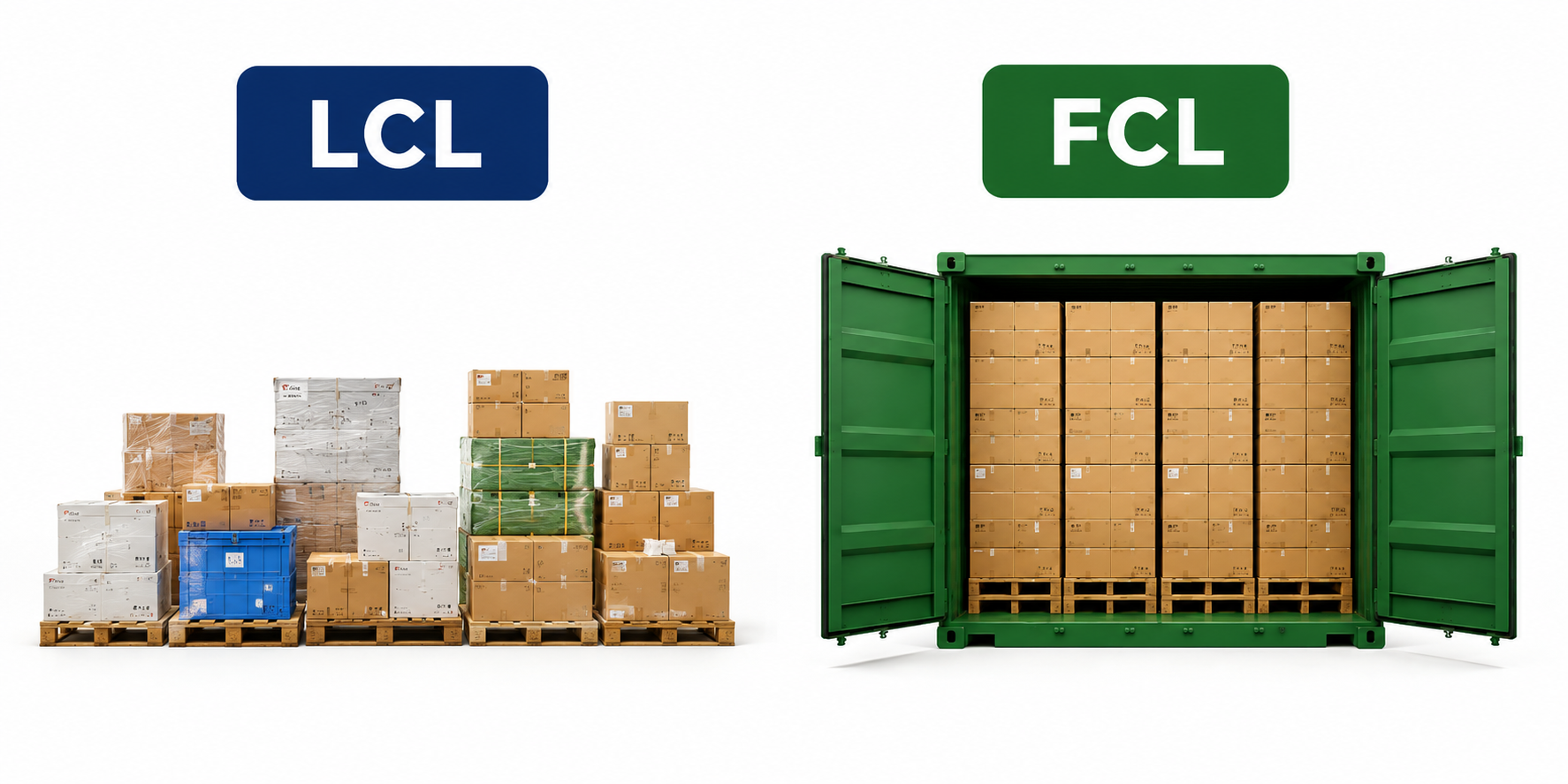
Should you opt for FCL or LCL when shipping from China to Saudi Arabia? Deciding on the right sea freight option can indeed feel overwhelming, as it impacts not just costs but also delivery times and the overall efficiency of your shipping process. Making the proper choice ensures your business needs are met effectively. Below, we’ll outline the differences between Full Container Load (FCL) and Less than Container Load (LCL) to help you make a well-informed decision.
LCL: Less than Container Load
This option is ideal if your shipment doesn’t fill an entire container. By sharing space with shipments from other businesses, you only pay for the portion you use. While LCL is usually cost-effective for smaller volumes, keep in mind that it might take longer due to additional handling at consolidation and deconsolidation points. It’s a great choice for businesses shipping smaller quantities or testing a new market.
FCL: Full Container Load
If your shipment is large enough to fill an entire container—or if you prefer exclusive use of the container—FCL is likely the better fit. Although it typically involves higher upfront costs, FCL ensures faster transit times since there’s no need for consolidation or splitting cargo upon arrival. It’s the preferred option for businesses shipping high volumes or sensitive goods that require controlled conditions.
In summary, the decision between FCL and LCL hinges on your shipment size, budget, and urgency. Choose the method that aligns with your business objectives and priorities.
How long does it take to ship from China to Saudi Arabia?
Sea freight transit times from China to Saudi Arabia usually range from 18 to 30 days, depending on the loading port, destination port, cargo type, and shipping schedule. For a more accurate estimate based on your shipment details, you can contact GB FREIGHT for a free personalized quote.
Below is a general overview of estimated transit times between major ports:
China | Saudi Arabia | Average Transit Time |
Port of Shanghai | Jeddah Islamic Port | 22 days |
Port of Ningbo | Jeddah Islamic Port | 24 days |
Port of Shenzhen | King Abdulaziz Port (Dammam) | 20 days |
Port of Guangzhou | King Abdulaziz Port (Dammam) | 21 days |
How much does it cost to ship a container From China to Saudi Arabia?
The cost of sea freight shipment from China to Saudi Arabia varies depending on the shipping route, container type, and transit time. Here’s a breakdown:
1.Full Container Load (FCL):
Shanghai to Jeddah
- 20ft container: USD 1,300–2,700
- 40ft container: USD 1,800–3,200
Estimated transit time: 22–30 days
Shenzhen to Dammam:
- 20ft container: USD 1,000–1,500
- 40ft container: USD 1,400–2,400
Estimated transit time:* 18–30 days
Ningbo to Jeddah
- 20ft container: USD 1,300–2,800
- 40ft container: USD 1,800–3,200
Estimated transit time: 25–35 days
2. Less than Container Load (LCL):
For small shipments (1–5 CBM), the cost is typically USD 100–200 per CBM. Note that lead times for LCL are generally longer, averaging about 25–38 days from port to port due to the time needed for cargo consolidation and deconsolidation.
Transit times are approximate and can be affected by factors like port congestion (e.g., in Jeddah), transshipment points (Singapore or Colombo), and seasonal surges during events like Chinese New Year or Ramadan. FCL shipments tend to have more reliable timelines compared to LCL.
Shipping Mode | Planning Range |
LCL | USD 100–200 per CBM |
FCL (20ft) | USD 1,200–2,800 |
FCL (40ft) | USD 1,800–3,500 |
Be aware that differences in handling fees, local charges, and delivery logistics at the destination may lead to significant variations in overall landed costs even when ocean freight rates are similar.

Air Freight From China to Saudi Arabia
Air freight from China to Saudi Arabia is a reliable solution for urgent shipments, high-value goods, production materials, and time-sensitive cargo. It offers much faster delivery than sea freight, making it ideal when speed is critical for business operations. However, it may not be suitable for bulky or low-margin cargo due to higher transportation costs.
Successful air freight shipping requires proper planning. Factors such as cargo cut-off times, chargeable weight calculations, airport handling, documentation, and packaging can all affect delivery schedules and shipping costs. Even small mistakes can lead to delays or additional charges, so accurate shipment preparation is essential.
Main Airports in China
Airport | Code | Advantages |
Shanghai Pudong International Airport | PVG | Major cargo hub with strong Middle East flight capacity and efficient export handling |
Guangzhou Baiyun International Airport | CAN | Ideal for South China shipments with fast cargo processing and frequent airline schedules |
Shenzhen Bao’an International Airport | SZX | Strong e-commerce and manufacturing cargo support with modern logistics systems |
Beijing Capital International Airport | PEK | Important international gateway with stable cargo capacity and global airline connections |
Main Airports in Saudi Arabia
Airport | Code | Advantages |
King Khalid International Airport (Riyadh) | RUH | Best for nationwide cargo distribution and central Saudi Arabia deliveries |
King Abdulaziz International Airport (Jeddah) | JED | Strong for western Saudi Arabia and temperature-controlled cargo shipments |
King Fahd International Airport (Dammam) | DMM | Ideal for industrial cargo and Eastern Province logistics operations |
Should you choose air cargo from China to Saudi Arabia?
Air cargo from China to Saudi Arabia is a good option for shipments around 1 CBM or 100–150 kg, especially for electronics, industrial parts, fashion products, and other time-sensitive goods. Compared with express shipping, air freight is often more cost-effective for regular B2B shipments and palletized cargo.
To avoid delays and unexpected charges, accurate cargo dimensions, gross weight, Incoterms, airport details, and ready dates are essential. Proper planning is important, as issues with airline cut-off times, screening requirements, or incomplete shipment information can quickly affect costs and transit times.
How long does air freight take from China to Saudi Arabia?
Air freight transit times from China to Saudi Arabia typically range from 3 to 6 days for standard air cargo services and 2 to 4 days for express shipping. These times can include airport-to-airport or door-to-door services depending on your booking arrangement. Keep in mind that these are estimates and not guaranteed timelines.
It’s important to note that the actual flight duration is rarely the main factor determining the overall shipping time. Delays most commonly occur during cargo acceptance procedures, screenings, or when suppliers miss critical cut-off deadlines at departure airports. Other potential factors include congestion, capacity limitations, and the specific service level chosen. If your delivery schedule is tight, always confirm the specific airport pairings, service type, and ready date before finalizing your booking.
How much does air freight cost from China to Saudi Arabia?
Air freight rates from China to Saudi Arabia vary based on market conditions but generally fall within USD 3 to 8 per kilogram for standard air cargo. Express shipping costs more due to expedited service and door-to-door handling.
Beyond the quoted rates, other factors influence final pricing such as chargeable weight, carton dimensions, cargo density, urgency, seasonal demand fluctuations, and airport selections. Two shipments of equal gross weight can incur significantly different charges based on these variables. Accurate measurements of your cargo are crucial for cost planning to avoid unexpected charges later.
What is the difference between volumetric weight and gross weight?
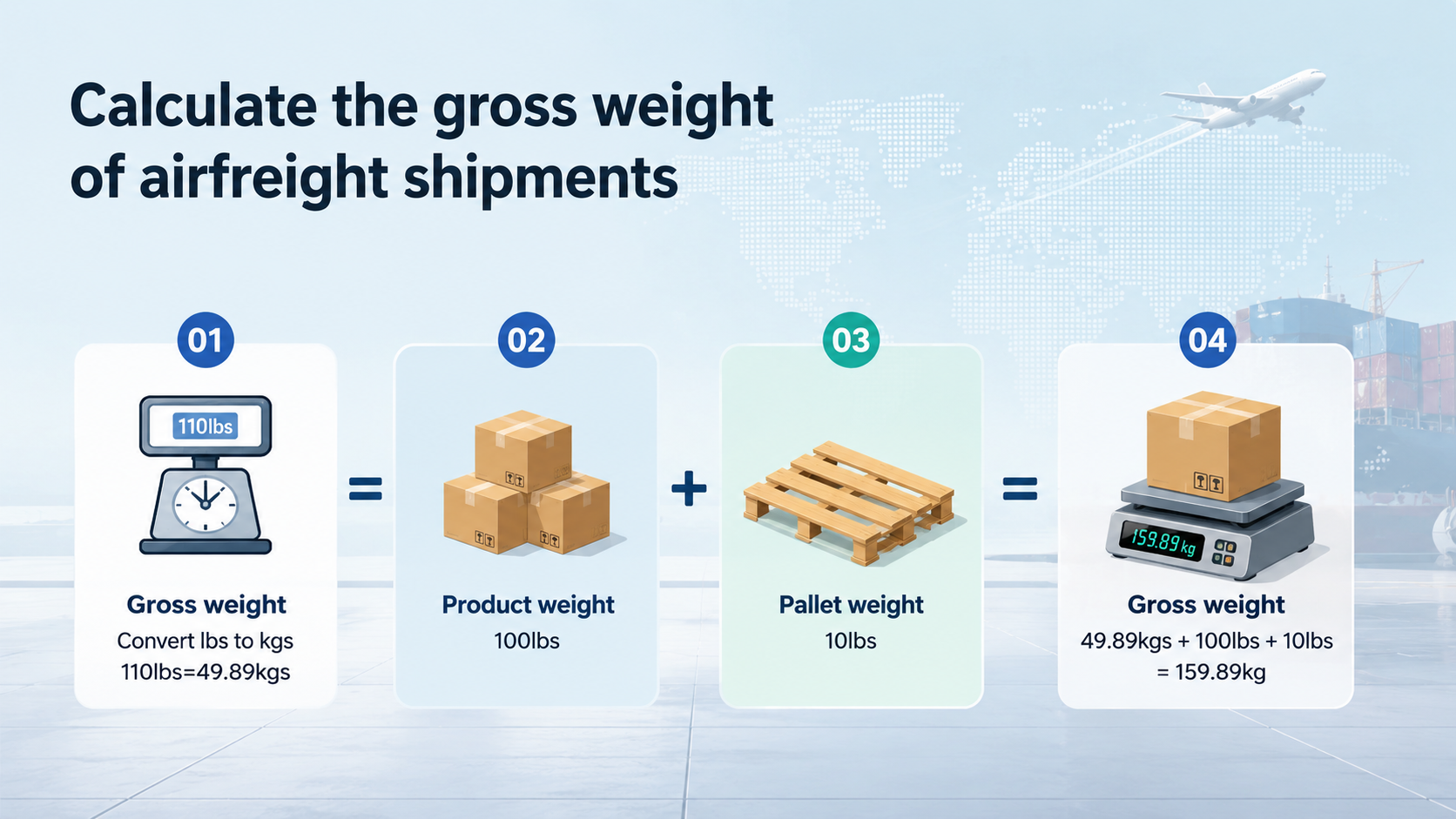
In air freight, gross weight refers to the actual physical weight of the shipment and its packaging. Volumetric weight, on the other hand, reflects how much space your shipment occupies. Airlines typically charge based on the higher of the two since space is as valuable as weight.
Gross weight: The actual physical weight of the cargo including any packaging.
Volumetric weight: A calculated weight representing the space the shipment occupies.
Calculation Formula:
- For air cargo: Length × Width × Height (cm) ÷ 6000
- For express shipping: Length × Width × Height (cm) ÷ 5000
Example: A carton measuring 100 × 50 × 50 cm would have a chargeable weight of:
- Air cargo: 41.7 kg
- Express shipping: 50 kg
Common mistakes include using oversized cartons that create empty space within the packaging or assuming that only the physical weight matters for pricing. These oversights can lead to unnecessary cost increases after booking.
Accurate planning and attention to detail are crucial for managing air freight effectively while keeping costs under control.
Door-to-door Shipping from China to Saudi Arabia
A important component of global trade, door-to-door shipping provides a seamless way to transport goods directly from China to your location in Saudi Arabia. This all-inclusive service emphasizes ease, efficiency, and smooth customs processes.
Door-to-Door Shipping
Moving goods from China to Saudi Arabia can be a challenging task, rife with logistical and procedural hurdles. With a door-to-door shipping solution, much of this complexity is removed. This service covers the entire process, making it a preferred choice for businesses and individuals alike.
At GB FREIGHT, many clients turn to this option precisely because of its convenience. Door-to-door shipping eliminates major concerns such as transport arrangements, customs clearance, and shipment tracking. While this may cost more than other shipping methods, the added convenience and peace of mind often far outweigh the additional expense.
Why Choose Door-to-Door Shipping From China to Saudi Arabia?
Simplified Logistics: No more juggling multiple logistics providers or worrying about coordinating steps in the shipping process. Door-to-door service ensures your goods are picked up from their origin and delivered directly to your chosen destination.
Reduced Stress: Say goodbye to sudden logistical surprises or last-minute issues. From customs clearance to delivery timing, everything is taken care of by your freight forwarder, removing unnecessary stress from the equation.
On-Time Deliveries for Crucial Shipments: Deadlines matter. Door-to-door services prioritize timely deliveries, tracking every step of the shipment’s journey to ensure it reaches you without delay.
Tailored Solutions for Special Cargo: If your shipment includes items requiring special care or handling, door-to-door services ensure they’re treated with the appropriate precautions throughout transit, minimizing risks of damage.
Streamlined Process: From start to finish, the door-to-door approach handles all the details — trucking, customs, documentation, and follow-ups — so you don’t have to lift a finger.
This end-to-end solution combines convenience, reliability, and peace of mind into one streamlined process. It's like having a stress-free VIP pass for your international shipping needs.
GB FREIGHT, Your Door-to-Door Expert
With GB FREIGHT, enjoy a seamless door-to-door shipping experience from China to Saudi Arabia. Our experienced team takes care of every step involved from packing your goods to managing customs clearance, across all available shipping methods. Get a free quote or consult with our experts for professional guidance for free now.


