
 |


| Quantity: | |
|---|---|
Singapore
Freight Shipping From China to Singapore
If you're considering shipping from China to Singapore, working with an experienced China Freight Forwarder can help you avoid delays, reduce shipping costs, and simplify the entire logistics process, this trade lane is highly active and moves quickly. Even minor planning errors can lead to delays or added costs. You’ll soon find out that factors like shipping rates, available space, and customs requirements often fluctuate depending on the season and the type of cargo.
From experience, the difference between a seamless shipment and a stressful one lies in preparation and solid coordination at both ends. If you'd prefer to hand over tasks like capacity monitoring, documentation, and compliance to specialists while you focus on your business operations, we’re here to help take care of logistics for you.
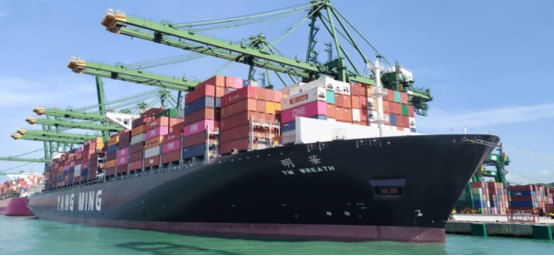
Sea freight From China to Singapore
China and Singapore are deeply interconnected by their dynamic trade networks, fueled by vibrant exchanges of goods and ideas. At the center of this partnership are their exceptional ports the expansive Port of Shanghai and the efficient Port of Singapore, which together make sea freight an economical solution for transporting high-volume cargo. But don't assume the journey is without its challenges.
For many companies navigating this maritime route, it can feel more like solving a puzzle than cruising along a straightforward path. Issues related to customs procedures, tariffs, and logistics can easily become obstacles for those unprepared. However, with thoughtful planning and support from a reliable China Freight Forwarder, these challenges can be successfully managed.
Main shipping ports in China
Port of Shanghai
Positioned along the vast 18,000-kilometer China coastline, the Port of Shanghai sits at a pivotal point for Asia-Pacific shipping routes. It handled a remarkable 43.3 million TEUs in 2019, solidifying its status as one of the busiest ports globally.
Key trading partners include major global economies like the USA, the European Union, and Japan. The port’s advanced infrastructure and strategic positioning make it a cornerstone of international trade.
For companies aiming to penetrate the expansive China market or establish a supply chain across the Asia-Pacific, the Port of Shanghai offers unparalleled shipping capacity and connectivity, making it an essential component of any logistics plan.
Port of Ningbo-Zhoushan
Nestled along the East China Sea in Zhejiang province, this port serves as a critical hub for the economically vibrant regions of Zhejiang and Jiangsu. It managed a volume of 27.5 million TEUs in 2019.
Major trading partners include South Korea, Taiwan, and the United States. Known for its ability to handle diverse cargo—ranging from crude oil to iron ore—this port is indispensable for businesses requiring extensive hinterland connectivity.
Whether your operations revolve around raw materials or finished goods, this versatile port can provide significant supply chain flexibility for optimized trade across different sectors.
Port of Shenzhen
Located in Guangdong province, the Port of Shenzhen serves as a vital link in the Pearl River Delta economic zone and processed 25.74 million TEUs in 2019.
Proximate to Hong Kong, its main trading partners include Southeast Asia, Europe, and the United States. It plays an integral role in China’s Belt and Road Initiative, connecting 300 ports in 102 countries worldwide.
For enterprises looking to establish a global reach, Shenzhen’s extensive international network can serve as a foundation for efficient worldwide logistics and supply chain operations.
Port of Guangzhou
Situated on the Pearl River in Guangzhou, this port supports one of China’s main economic hubs. It recorded a shipping volume of 21.59 million TEUs in 2019.
Engaged primarily with East Asia, America, and Europe, Guangzhou’s location at the mouth of China’s second-longest river makes it an important axis for trade and commerce in inland markets.
If your business strategy targets China’s expanding inland markets along the Pearl River economic corridor, leveraging the Port of Guangzhou can be a practical choice for effective distribution.
Port of Hong Kong
Location and Volume: Recognized as one of the world’s busiest ports, Hong Kong manages an impressive annual shipping throughput of 19.6 million TEUs.
With trade connections to the USA, mainland China, and Singapore, this free port offers unique advantages such as no customs duties on imports and exports, enhancing its global appeal.
For companies aiming to minimize shipping costs and benefit from streamlined customs procedures, the Port of Hong Kong is a strategic hub well-suited to modern logistical frameworks.
Port of Qingdao
Strategically located in Shandong province, the Port of Qingdao serves the economic activity within the Bohai Economic Rim region, handling 18.26 million TEUs in 2019.
With robust trade ties to Japan, South Korea, and the USA, Qingdao shines as a dual-purpose port specializing in container shipping as well as bulk commodities.
Companies looking to enhance regional operations or expand into global markets will benefit from Qingdao’s state-of-the-art facilities and comprehensive commodity management capabilities, which efficiently support diverse shipping requirements.
Main shipping ports in Singapore
Port of Singapore
Strategically positioned at the southern tip of the Malay Peninsula, the Port of Singapore serves as a vital hub for international trade, handling an impressive shipping volume of 36.6 million TEUs in 2020.
Recognized as one of the busiest transshipment hubs globally, the port connects with over 600 ports worldwide. Major trading partners include China, Indonesia, Malaysia, the United States, and several countries in the European Union, highlighting its global reach and strategic significance in international commerce.
With its cutting-edge facilities and comprehensive maritime services, the Port of Singapore is an essential asset for businesses aiming to expand trade in Asia or globally. Its unparalleled connectivity provides seamless market access, while its operational efficiency enhances shipping turnaround times, making it a valuable addition to any supply chain.
Port of Pasir Panjang
Situated on Singapore’s southern coast, the Port of Pasir Panjang accommodates a substantial portion of Singapore's container transshipment traffic, cementing its position within one of the world’s leading port systems.
Serving a wide array of international markets, this port plays a critical role both in Singapore’s global trade network and its domestic economy.
For companies targeting extensive international markets, the Port of Pasir Panjang provides an effective gateway. Its location and infrastructure support fast and efficient transshipment, helping reduce time-to-market for goods. The port’s robust connectivity offers businesses a powerful platform to penetrate new markets worldwide.
Port of Keppel
Found along Singapore’s southern coastline, the Port of Keppel specializes in handling dry-bulk, liquid-bulk, and container shipping. While it operates on a smaller scale than other major ports in Singapore, it remains a key player in regional trade.
Keppel’s strategic focus lies in non-containerized goods and raw materials, making it a vital cog in the region’s broader economic ecosystem.
Companies involved in bulk commodity or raw material logistics will find the Port of Keppel well-suited to their needs. Its specialized infrastructure is primed for efficient handling of bulk cargo, enabling smoother operations and reducing logistical challenges.
Port of Sembawang
Located on Singapore’s northern coast, the Port of Sembawang plays a specialized role within the country’s port system by primarily supporting military operations and associated industries.
Unlike commercial shipping ports, Sembawang delivers strategic naval support for the Singapore Navy and allied forces, underlining its unique operational focus.
Companies serving military or defense-related industries may find the Port of Sembawang an essential partner. Its tailored facilities and operations cater specifically to these sectors, providing highly specialized services to support maritime and industrial activities efficiently.
Port of Brani
Located on Pulau Brani, off Singapore’s southern coast, the Port of Brani is a smaller yet important port specializing primarily in container shipping activities.
As part of Singapore’s interconnected port infrastructure, the Port of Brani supports various trading partners while complementing operations at larger facilities.
If your business focuses on containerized shipping and requires a specialized solution within Singapore’s port network, the Port of Brani could be an excellent choice. Its smaller scale may offer more customized handling services and faster processing times for niche shipping needs.
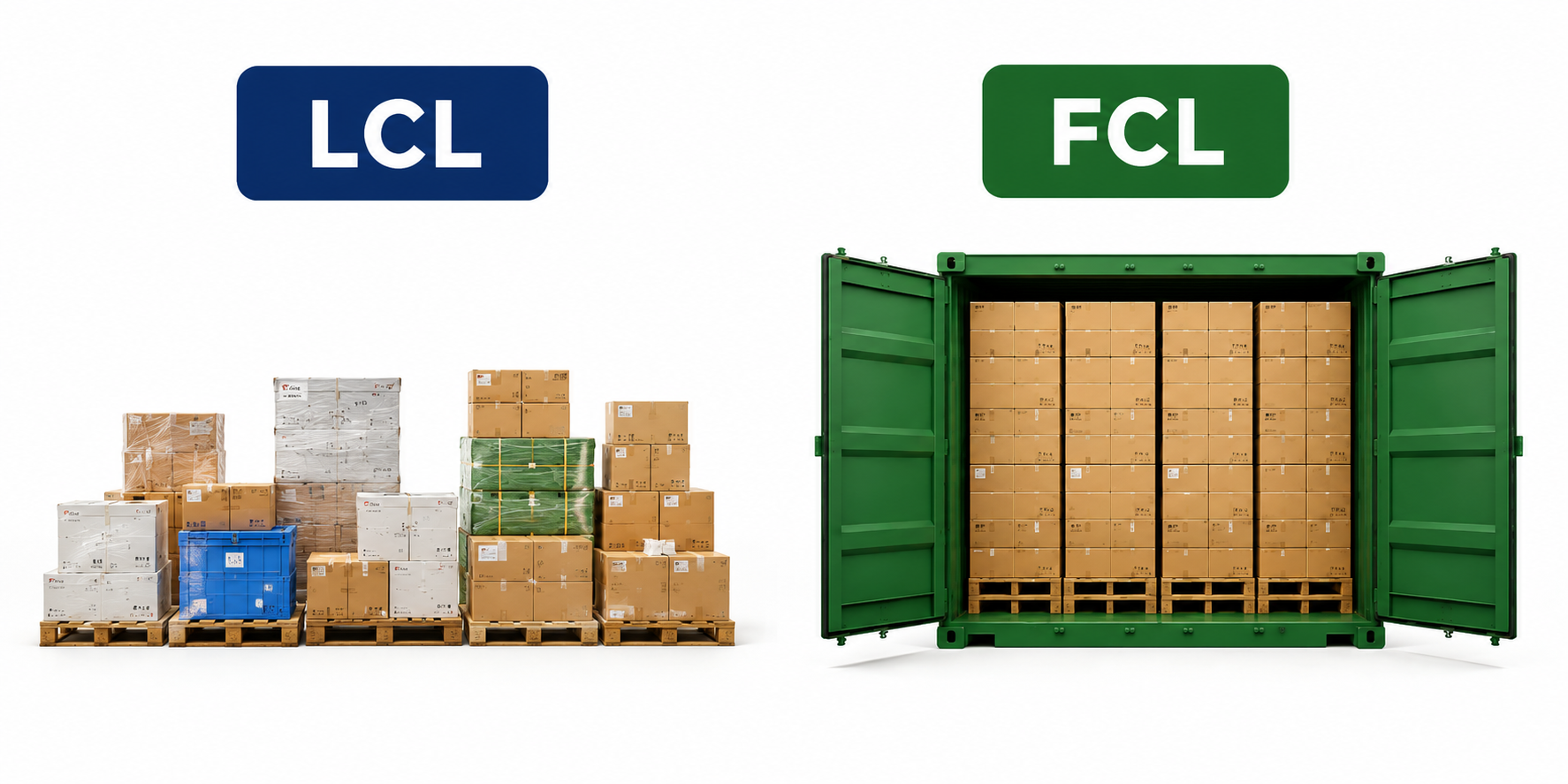
Should you choose FCL or LCL for shipping from China to Singapore?
Deciding between Full Container Load (FCL) and Less than Container Load (LCL) when shipping goods from China to Singapore is a critical decision that affects cost, delivery time, and overall efficiency. Each method serves specific purposes, and selecting the right one hinges on your cargo volume and shipping requirements. Here's a breakdown of what you need to know:
LCL: Less than Container Load
Definition: This shipping method is ideal for smaller cargo volumes that don’t require the entire capacity of a container. Shipments are consolidated with other goods, making it a cost-effective and flexible solution for low-volume needs.
LCL is suited for parcels typically under 15 cubic meters (CBM). For instance, if you’re running a startup importing artisanal handicrafts from China and don’t need a full container for your initial orders, LCL allows you to share space with other shippers, reducing costs while accommodating smaller shipments.
LCL charges are higher per CBM compared to FCL due to shared container usage, but this option remains affordable for smaller shipments since you only pay for the space you use. Keep in mind additional expenses like loading, unloading, and customs clearance, as they contribute to your overall shipping cost.
FCL: Full Container Load
Definition: This method involves dedicating an entire container solely to your cargo. It is often chosen for larger shipments, offering cost savings per unit and increased security.
FCL is best for cargo exceeding 13–15 CBM, where filling an entire container becomes more economical. For example, if you’re shipping large machinery or bulk items from China to Singapore, FCL ensures your goods remain secure in a sealed container throughout transit, while also lowering per-unit shipping costs.
FCL is typically more cost-effective per unit for larger shipments but involves higher upfront costs since you need to pay for the whole container regardless of whether it’s completely full. The pricing varies depending on the container size it usually 20-foot or 40-foot options, and other factors related to the shipment.
How long does sea freight take from China to Singapore ?
Sea freight transit times between these two locations average 10–14 days, although they can vary based on factors such as specific port handling, cargo type, and weight. For precise estimates tailored to your shipment details, please consult with us. As an example, these are the expected transit times from popular China ports (Shanghai, Shenzhen, Ningbo, and Guangzhou) to Singapore’s Port of Singapore.
Origin Port | Destination Port | Average Transit Time |
Port of Shanghai | Port of Singapore | 8-14 |
Port of Shenzhen | Port of Singapore | 3-5 |
Port of Ningbo | Port of Singapore | 10-16 |
Port of Guangzhou | Port of Singapore | 11-15 |
** Please note that the transit times provided are estimates and may differ from actual delivery times. For the most accurate information, consult your freight forwarder.
How much does it cost to ship a container from China to Singapore?
The cost of shipping a container from China to Singapore depends on multiple factors, including origin and destination points, carrier choice, cargo type, and market fluctuations. Rates per cubic meter can vary, making it challenging to pinpoint exact figures without expert guidance. Getting personalized quotes from freight specialists ensures you receive competitive pricing tailored to your specific needs. Experienced professionals can guide you through this process for a cost-efficient and smooth journey.
Making the right choice between FCL and LCL depends on assessing your volume needs, budget constraints, and delivery priorities. Partnering with an experienced China Freight Forwarder like GB FREIGHT will streamline your shipping experience, reduce logistics risks, and ensure optimal shipping results from China to Singapore.
Special Transportation Services
Out of Gauge (OOG) Container
An OOG container is designed to transport cargo that exceeds standard sea container dimensions in width, height, or length. Such cargo is classified as ‘out of gauge’.
Suitable for:Ideal for oversized or uniquely shaped goods that cannot fit into regular containers.
Examples: Large machinery, overhanging airplane parts, or windmill blades.
Why choose this: OOG containers offer flexibility for transporting non-standardized goods, making it a great solution for oversized equipment shipments from China to Singapore.
Break Bulk
Break bulk cargo refers to goods that are loaded individually and not contained within standard transportation methods like trucks or containers, typically shipped as loose loads.
Suitable for: Larger items unsuitable for standardized containers.
Examples: Steel products, forestry items, or large machinery.
Why choose this: Break bulk shipping allows flexibility for various cargo sizes and types, eliminating the need to fit them within container dimensions.
Dry Bulk
Dry bulk refers to homogeneous goods shipped in large, unpackaged quantities directly into the vessel's hold.
Suitable for: Commodities that can be poured and unloaded like liquids.
Examples: Coal, grains, or minerals.
Why choose this: Transporting large quantities of raw materials between locations such as China and Singapore can be cost-efficient and effective with dry bulk shipping.
Roll-on/Roll-off (Ro-Ro)
Ro-Ro vessels feature built-in ramps that enable wheeled cargo to be driven directly onto and off the ship.
Suitable for:Vehicles or machinery on wheels or tracks that can move autonomously. Examples: Cars, trucks, semi-trailers, trailers, and railroad cars.
Why choose this: Ro-Ro shipping simplifies the transport of mobile goods like ground transport vehicles, streamlining the loading and unloading process.
Reefer Containers
Reefer containers are refrigerated units specifically built to carry temperature-sensitive goods.
Suitable for: Perishable items or products requiring consistent temperature control during transit.
Examples: Fresh produce, meats, or pharmaceuticals.
Why choose this: Reefer containers ensure reliable transportation of goods demanding controlled temperatures between China and Singapore.
At GB FREIGHT, we prioritize the seamless shipping experience for your business needs. Contact us for a free quote and explore hassle-free international logistics solutions tailored just for you.
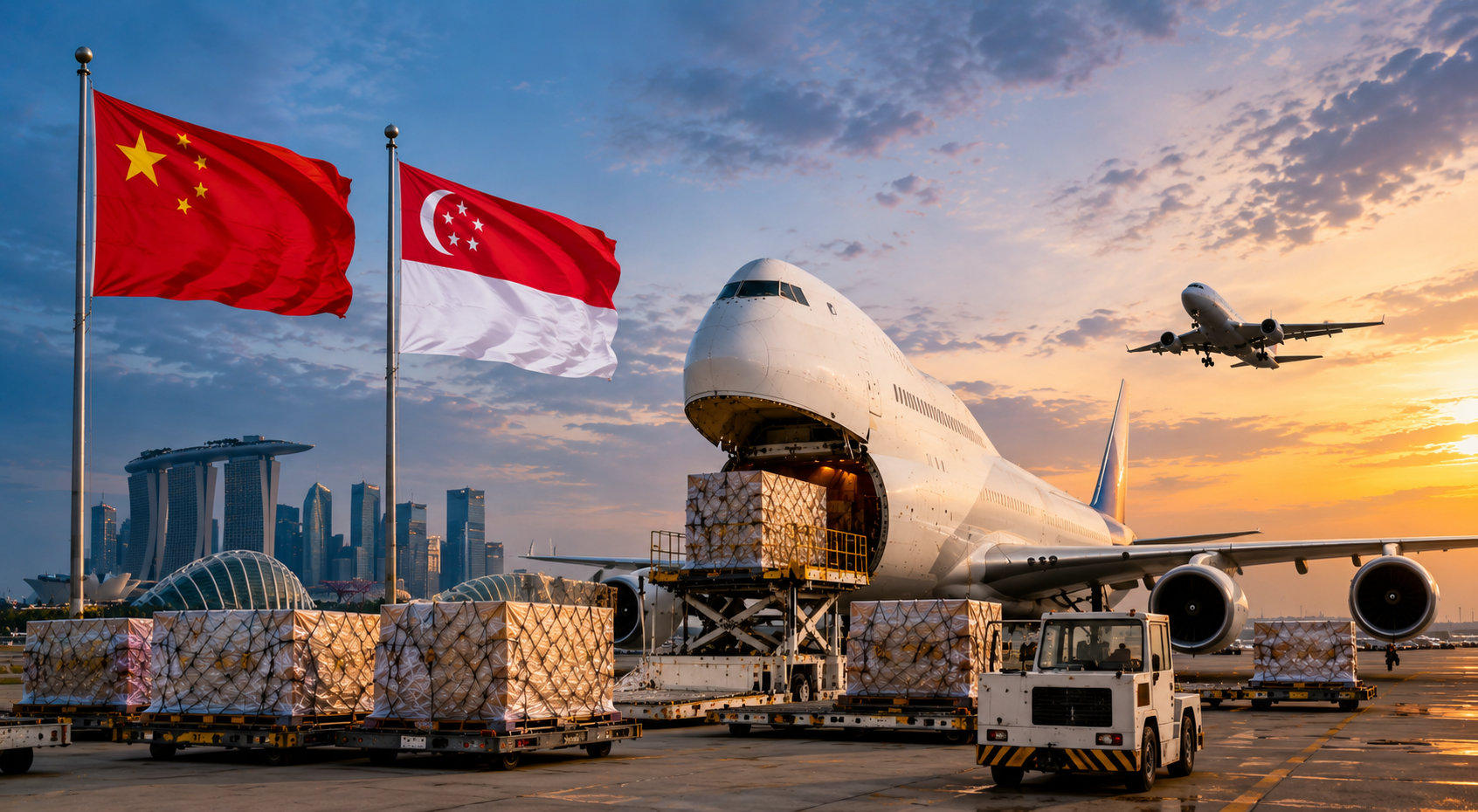
Air freight From China to Singapore
Air freight serves as a swift and dependable solution for transporting goods from China to Singapore, particularly ideal for small, high-value items like smartphones or luxury accessories. While it tends to be more expensive than maritime shipping, the speed it offers makes it a worthwhile investment for safeguarding the worth of these items. Nonetheless, this mode of transport has its own challenges.
Many shippers miscalculate expenses by either ignoring the correct weight formula or bypassing recommended best practices, which can lead to costly mistakes. It’s akin to buying a designer outfit without checking the price—an unexpected financial setback can follow.
Main International Airports in China
Airport | Code | Advantages |
Beijing Capital International Airport | PEK | Major cargo hub in Northern China with advanced facilities and strong connections to global technology and business markets |
Shanghai Pudong International Airport | PVG | One of the world’s busiest cargo airports with extensive international routes and strong express cargo handling capabilities |
Guangzhou Baiyun International Airport | CAN | Important South China gateway serving the Greater Bay Area with strong links to Southeast Asia, Africa, and the Middle East |
Shenzhen Bao’an International Airport | SZX | Key logistics hub in the Pearl River Delta with advanced cold-chain facilities for perishable cargo |
Hong Kong International Airport | HKG | One of the world’s leading cargo airports with strong global connectivity and advanced express and chilled cargo handling services |
Main International Airports in Singapore
Airport | Code | Advantages |
Changi International Airport | SIN | Singapore’s largest cargo airport with global trade connections, 24/7 customs services, and Free Trade Zone facilities |
Seletar Airport | XSP | Specialized airport for aerospace, private aviation, and time-sensitive cargo with lower congestion and fast handling services |
Should I choose Air Freight from China to Singapore ?
Choosing air cargo for shipments weighing over 100–150 kg (220–330 lbs) could be a wise decision. Airlines such as China Southern and Singapore Airlines Cargo have established reputations for reliable service, offering precision in delivery times despite their fixed schedules. While air freight can be on the pricier side, it is often worth the investment if promptness and dependability are priorities.
How long does air freight take From China to Singapore?
The typical transit time for air freight from China to Singapore ranges from 3 to 5 days. This can vary due to factors like specific departure and destination airports, the weight of the shipment, and the type of goods being transported. For tailored information, please consult GB FREIGHT to gain more accurate estimates.
How much does it cost to ship a parcel from China to Singapore using air freight?
Air freight costs per kilogram can vary depending on factors such as the departure and arrival airports, cargo dimensions, weight, and the type of goods being shipped. Due to these variables, there is no fixed standard rate for every shipment.
To get an accurate cost estimate tailored to your specific requirements, reach out to our team for a free quote designed to suit your needs efficiently.
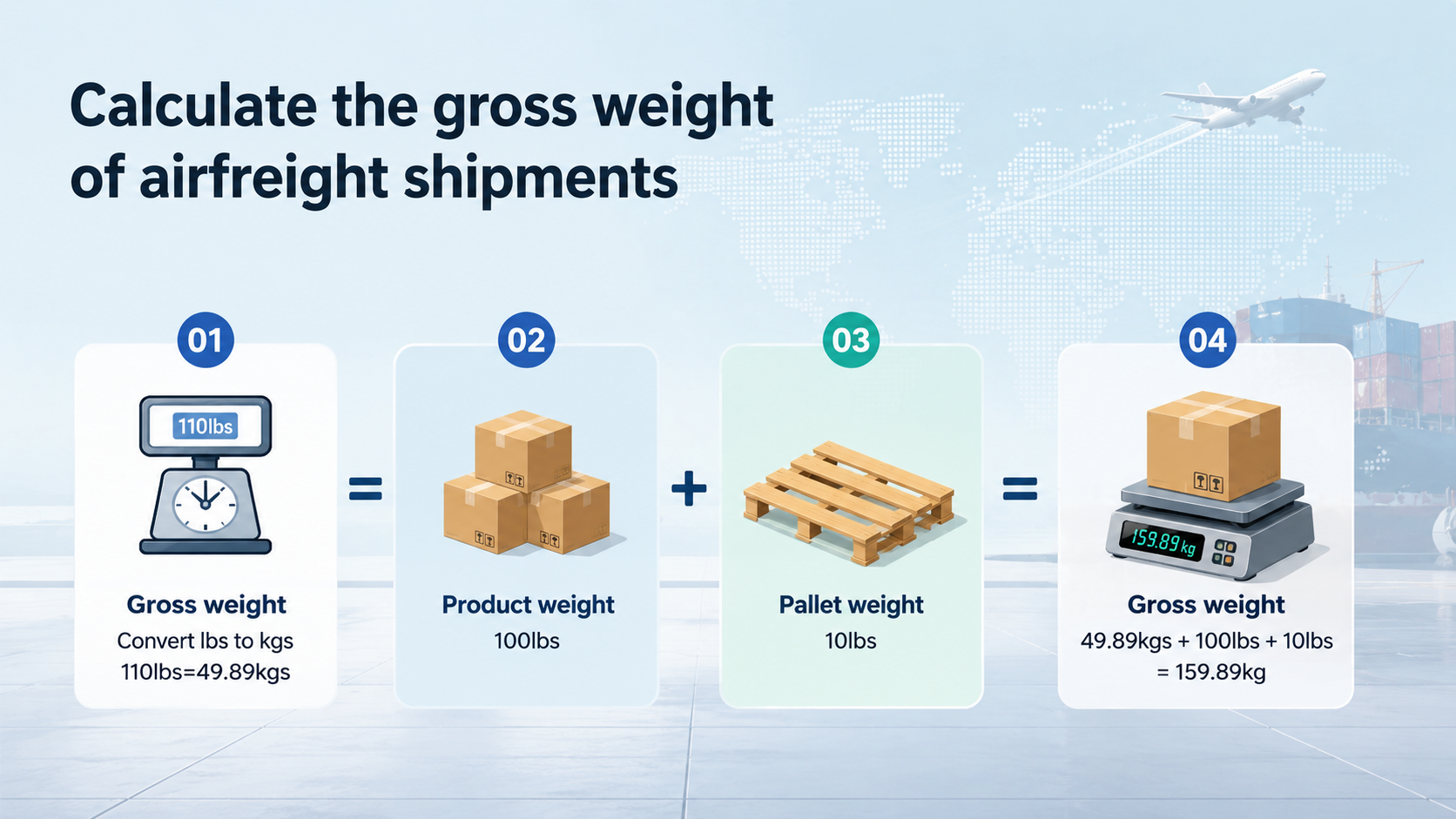
Gross weight vs Volumetric weight
Gross weight reflects the actual weight of a parcel, including its packaging and materials, as measured on a scale. Volumetric weight, however, takes into account the space your parcel occupies during transport. It's computed using the formula: Length(cm) × Width(cm) × Height(cm) ÷ 6000 for typical air cargo. For express services, the formula shifts slightly, replacing 6000 with 5000 in the denominator.
Take an illustrative example: imagine shipping a box of machinery parts with dimensions 100cm × 50cm × 30cm and a gross weight of 45 kg (99.2 lbs).
For air cargo, volumetric weight calculates as follows: (100 × 50 × 30) ÷ 6000 = 25 kg (55.1 lbs).
This distinction is vital because freight charges are typically calculated based on whichever weight is greater.
Door-to-door shipping From China to Singapore
Door-to-door shipping from China to Singapore offers a streamlined solution for navigating the complexities of international logistics. This service handles every step of the process, from collection at the sender’s address to delivery at the recipient's doorstep, making it a convenient and cost-effective choice. Especially popular for businesses operating between these dynamic hubs, it eliminates headaches associated with managing multiple providers and intricate customs procedures.
What is Door-to-Door Shipping?
Door-to-door shipping simplifies freight management by providing an all-inclusive logistics solution. With this service, businesses can enjoy an organized and stress-free experience, ensuring timely deliveries. While it comes with additional costs, it replaces the hassle of tracking multiple shipments and navigating complicated international processes. Many clients choose this method for its convenience, knowing their goods travel securely from origin to destination without extra effort on their part. It’s a game-changer that lets businesses focus on growth instead of logistics. As a professional China Freight Forwarder, GB FREIGHT provides reliable door-to-door shipping solutions from China to Singapore for businesses of all sizes.
GB FREIGHT, Your Door-to-Door Partner
At GB FREIGHT, we ensures smooth, efficient shipping From China to Singapore with expertise in packing, transport modes, and navigating customs procedures. If you are searching for a reliable China Freight Forwarder or professional China Logistics partner for shipping from China to Singapore, GB FREIGHT is ready to support your business with efficient and cost-effective logistics solutions.Reach out today for a free estimate or connect with our shipping consultants for expert advice.


