
 |


| Quantity: | |
|---|---|
Thailand
Freight Shipping From China to Thailand
When planning the shipment of goods from China to Thailand, it’s essential to recognize that while the route appears straightforward on a map, the choices surrounding transportation methods, scheduling, and customs processes can significantly impact your profitability. Even minor errors in calculating shipping rates, transit times, or navigating customs regulations can directly strain your cash flow.
If you’ve come here seeking clarity, whether it’s about costs or realistic schedules this guide aims to deliver actionable insights. If you’d rather leave the logistics to professionals, we’re ready to oversee the entire operation for you as your dedicated international freight forwarder.
Sea Freight From China to Thailand
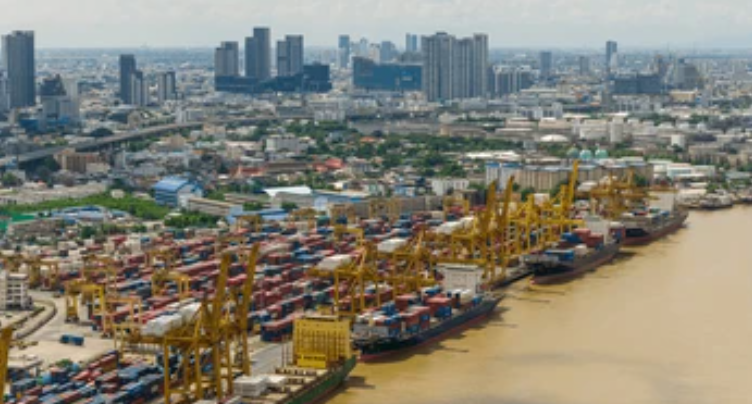
Shipping goods across the sea from China to Thailand is akin to a meticulously coordinated performance. This exchange connects two economic powerhouses through dynamic ports such as Shanghai, Shenzhen, and Thailand’s Laem Chabang. Ocean freight may be slower compared to other methods, but it provides steady reliability and cost-effectiveness that high-volume shippers often rely on.
Nevertheless, even experienced shippers can stumble over complexities like paperwork inaccuracies, customs misunderstandings, or overlooked costs. Such missteps can lead to unnecessary delays and challenges. What if you could refine your approach and navigate the process with precision? The next section of this guide is specifically designed to address common hurdles. By showcasing best practices and offering clear steps, we’ll help transform the complexities of sea freight between these countries into a smooth, predictable operation that mirrors a well-executed performance.
Main Shipping Ports in China
Port of Shanghai
Strategically located along China’s central coastline, the Port of Shanghai is one of the world’s most significant gateway ports, with a remarkable handling capacity of 43.30 million TEU in 2020.
The port facilitates trade with virtually every country, holding specific strategic importance for partners such as the USA, South Korea, Japan, and European Union countries. Its prominence stems from its market-scale economy, ability to accommodate the largest container ships globally, and its designation as a free trade zone.
For companies aiming to expand trade with leading economic powers like the USA or the European Union, leveraging the Port of Shanghai in shipping strategies is a prudent choice, thanks to its vast capacity and prime location.
Port of Shenzhen
Positioned on the eastern bank of the Pearl River Delta, the Port of Shenzhen has experienced immense growth, handling 25.77 million TEU in 2020.
This port is a crucial hub for trade with Mainland China, Hong Kong, and Southeast Asia. Its proximity to Guangdong's manufacturing industries further enhances its strategic relevance.
For businesses targeting Southeast Asian markets, integrating the Port of Shenzhen into logistics plans offers significant advantages due to its location near industrial hubs and its comprehensive shipping services.
Ningbo-Zhoushan Port
This port is situated at the crossroads of China's north-south inland coastal line and the Yangtze River. In 2020, it achieved a landmark by managing its 1 billionth tonne of cargo, with a container throughput of 28.72 million TEU.
Renowned as the busiest port by cargo tonnage globally, it serves as a key trade conduit for major economies such as Japan, the USA, and ASEAN countries.
For businesses dealing in high-tonnage shipments, Ningbo-Zhoushan Port stands out as an ideal option due to its unparalleled cargo handling capabilities.
Port of Guangzhou
Positioned on the western side of the Pearl River Delta, this port is an instrumental node for global trade, with a throughput of approximately 23.19 million TEU in 2020.
Facilitating trade with regions like Asia, Europe, the Americas, and Africa, the Port of Guangzhou is among China’s most globally connected hubs. It is also located near one of China’s primary automotive and garment manufacturing zones.
Companies involved in automotive or garment production can benefit greatly by utilizing the Port of Guangzhou for its specialized logistical proficiency within these industries.
Port of Qingdao
Located on the Yellow Sea, the Port of Qingdao plays an integral role in China’s maritime operations, managing nearly 21 million TEU in 2020.
Acting as a critical international trade hub, the port supports commerce with high-volume trading regions like Brazil, Australia, and ASEAN nations.
Businesses focused on trade in South America or Australasia will find the Port of Qingdao advantageous due to its established international trade routes.
Port of Tianjin
Situated along Bohai Bay, this port registered a throughput of approximately 16 million TEU in 2020.
With strong ties to Europe, Asia, and the Americas, it benefits from close proximity to Beijing, serving as a gateway to China's economic and political center.
For businesses needing efficient access to inland China, especially near Beijing, utilizing the Port of Tianjin offers strategic importance due to its location and connectivity.
Main Shipping Ports in Thailand
Laem Chabang Port
Situated on the Gulf of Thailand, Laem Chabang is Thailand’s largest port, handling over 7 million TEUs annually. Its prime location cements its role as a critical gateway for trade within ASEAN and beyond.
The port maintains strong trading relationships with nations such as China, Japan, and the United States, thanks to its impressive capacity and strategic importance.
For companies aiming to penetrate ASEAN markets or connect with global consumer hubs like China and the US, Laem Chabang’s robust container handling capabilities and location make it an essential part of their supply chains.
Map Ta Phut Port
Located in Rayong Province on Thailand’s eastern seaboard, Map Ta Phut ranks as the world’s 8th largest port by cargo volume, managing approximately 3 million TEUs per year.
The port’s proximity to major industrial zones enhances its value, especially for key trading partners like China, Japan, and Singapore. Its specialization in petrochemical exports reinforces its strategic significance.
Enterprises in manufacturing or petrochemicals can leverage Map Ta Phut’s convenient location and expertise in handling raw materials and derivatives for greater efficiency in logistics.
Bangkok Port
Resting along the Chao Phraya River, Bangkok Port handles roughly 1.5 million TEUs annually, positioning itself as a vital player in Thailand’s national logistics network.
The port primarily trades with China, the USA, and Germany. Its inland setting provides unparalleled direct access to Thailand’s capital city, enhancing its importance for domestic distribution.
For those targeting Thailand’s growing consumer market in metropolitan areas, Bangkok Port offers a seamless connection to bustling local markets, making it an excellent choice for consumer goods logistics.
Sattahip Port
Situated in Chonburi Province, Sattahip Port specializes in handling niche or specialized cargo and plays a crucial economic role despite its smaller scale.
With trading links to the US, China, and neighboring Southeast Asian countries, Sattahip is also strategically positioned due to its use as a naval base.
For companies dealing with specialized or defense-related cargo, Sattahip Port offers tailored services suitable for precise needs.
Songkhla Port
Located on the eastern side of the Malay Peninsula, Songkhla Port specializes in bulk cargo and handles several hundred thousand TEUs annually.
Major trade routes include Malaysia, Singapore, and Indonesia. As an essential gateway in southern Thailand, the port plays an integral role in regional trade operations.
For exporters of bulk commodities, such as agricultural goods or minerals—Songkhla Port provides targeted facilities that are well-suited to handle these products.
Sriracha Harbour Deep Sea Port
Privately owned and located on the Gulf of Thailand, Sriracha Harbour focuses on automotive logistics and bulk cargo, contributing a significant volume to the region’s trade throughput.
This port facilitates trade with key markets such as ASEAN nations, China, Japan, and the Middle East. Its specialization in handling specific cargo types makes it an indispensable hub for certain industries.
If your focus is on the automotive sector or bulk goods transportation, Sriracha Harbour’s niche capabilities provide a competitive edge for efficient supply chain management.
Should You Choose FCL or LCL When Shipping From China to Thailand?
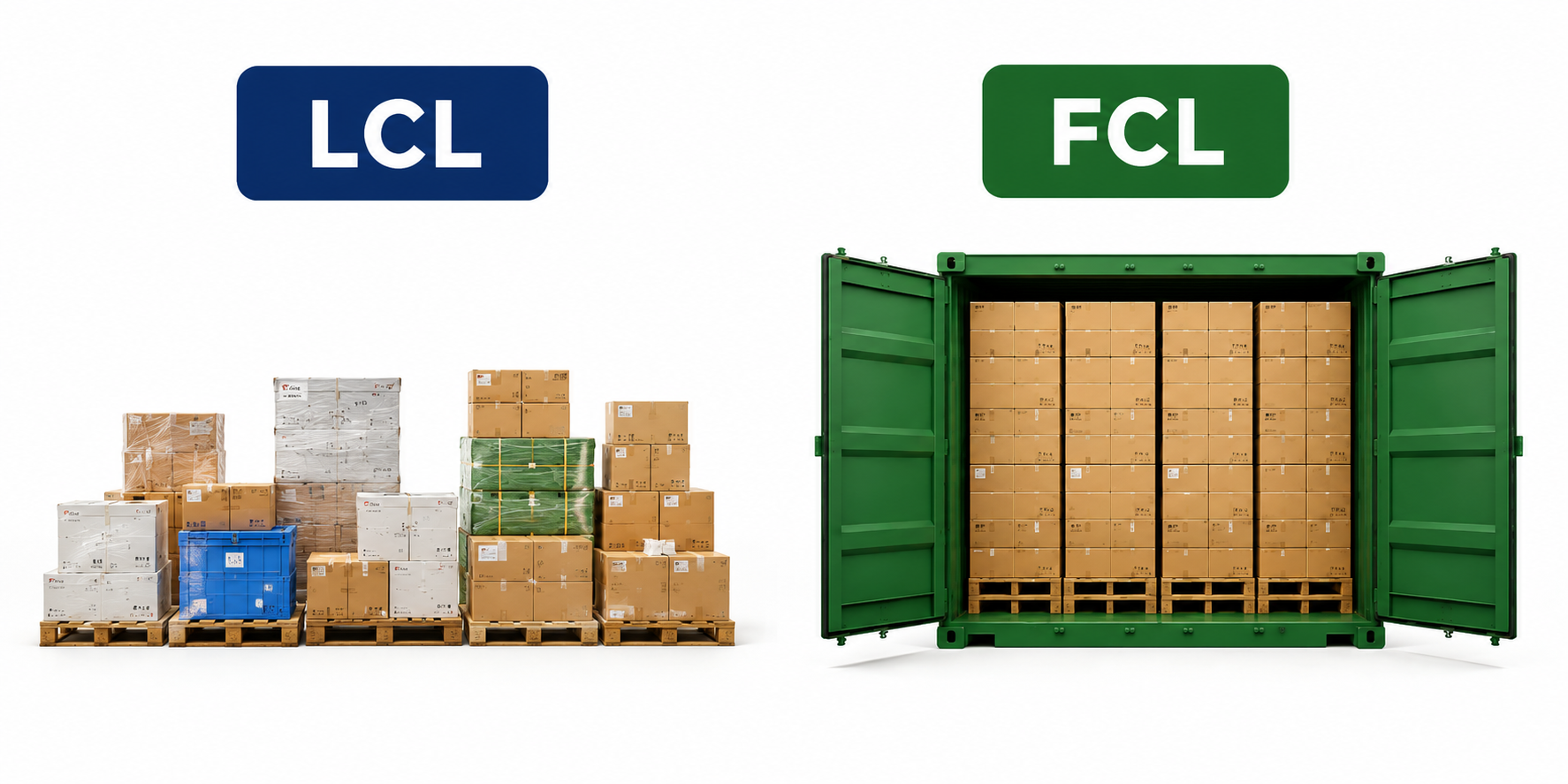
Choosing between FCL (Full Container Load) and LCL (Less than Container Load) is a critical decision for shipping goods from China to Thailand. This choice influences your costs, operational efficiency, and the overall effectiveness of your supply chain strategy. Here's a closer look at both options to help you optimize your shipping decisions and set your business up for success.
LCL: Less than Container Load
Definition: LCL involves sharing container space with shipments from other businesses. This option is ideal for smaller volumes of goods that don't require a full container.
LCL is recommended for shipments smaller than 14 cubic meters (CBM). It’s a flexible and cost-effective solution for businesses with low-volume shipments, as you only pay for the space you use.
Example: If you're a Thailand-based electronics retailer importing 10 CBM of headphones from China, opting for LCL allows you to share container space with other shippers, thereby reducing costs.
Though the cost per CBM for LCL is typically higher than FCL, it becomes economical for small shipments since you’re not renting an entire container. Keep in mind, however, that LCL may involve additional costs related to handling and customs clearance.
FCL: Full Container Load
Definition: FCL shipping requires booking an entire 20-foot or 40-foot container for your exclusive use.
Choose FCL when your cargo volume exceeds 13-15 CBM, as this typically makes it more cost-efficient compared to LCL. Additionally, FCL offers better security and ensures minimal handling of your goods since the container remains sealed from departure to arrival.
Example:A company in China exports large quantities of heavy machinery parts to Thailand. Since these parts require a significant amount of space, using an FCL container ensures cost efficiency and safe transport.
With FCL, you're charged a flat rate per container rather than by the volume of cargo it holds, making it more affordable for larger shipments. If your goods fill at least half the container, FCL often becomes the better financial choice because the cost remains the same regardless of whether the container is completely full.
How long does sea freight take from China to Thailand?
Sea freight transportation from China to Thailand typically takes about 15 to 22 days on average. The duration can vary depending on factors such as the specific ports involved, the weight of the shipment, and the type of goods being transported. For accurate and customized planning, businesses please consult GB FREIGHT for tailored quotes to meet you shipping requirements.
China Ports | Thailand Ports | Average Transit Time |
Shanghai | Laem Chabang | 18 |
Shenzhen | Bangkok | 17 |
Ningbo | Map Ta Phut | 20 |
Qingdao | Bongkot | 22 |
How much does it cost to ship a container from China to Thailand?
The cost of shipping a container from China to Thailand is influenced by multiple factors, making it difficult to provide a fixed rate. Pricing depends on elements such as the Point of Loading and Destination, carrier selection, type of goods, and fluctuations in the market.
To navigate these variables and secure the best possible rates, GB FREIGHT team offers personalized quotes based on your specific needs, ensuring an efficient and cost-effective shipping solution.
Special Transportation Services
Out of Gauge (OOG) Containers
These containers are designed for cargo that exceeds standard dimensions. They feature flat racks to accommodate oversized items like large machinery, industrial components, windmill propellers, or construction materials. Opting for OOG containers minimizes handling and reduces the risk of damage during transit.
Break Bulk
Break bulk shipping involves loading goods individually onto ships rather than using containers. This method is ideal for oversized items like large machinery, construction materials, logs, or iron pipes. It allows flexibility in shipping goods of various sizes and types in a single trip.
Dry Bulk
Dry bulk shipments are intended for transporting unpackaged goods in large quantities directly into the ship’s hold. Common examples include grains, coal, ores, or cement. This option offers a cost-effective solution with reduced packaging needs for high-volume shipments.
Roll-on/Roll-off (Ro-Ro)
Ro-ro vessels handle wheeled cargo such as cars, trucks, trailers, or heavy machinery. These items are efficiently loaded and unloaded by driving them directly onto or off the vessel. Ro-ro shipping saves time and minimizes the risk of damage during transit.
Reefer Containers
Refrigerated containers are specifically designed to transport perishable goods while maintaining a controlled temperature environment. Examples include frozen food, fresh produce, pharmaceuticals, or sensitive biological samples. Reefer containers are ideal for businesses that require their goods to arrive in optimal condition.
GB FREIGHT has extensive experience in international shipping and is committed to making the logistics process easier for clients. By providing customized quotations, our expert team ensures efficient and hassle-free shipping from China to Thailand.
Air freight From China to Thailand
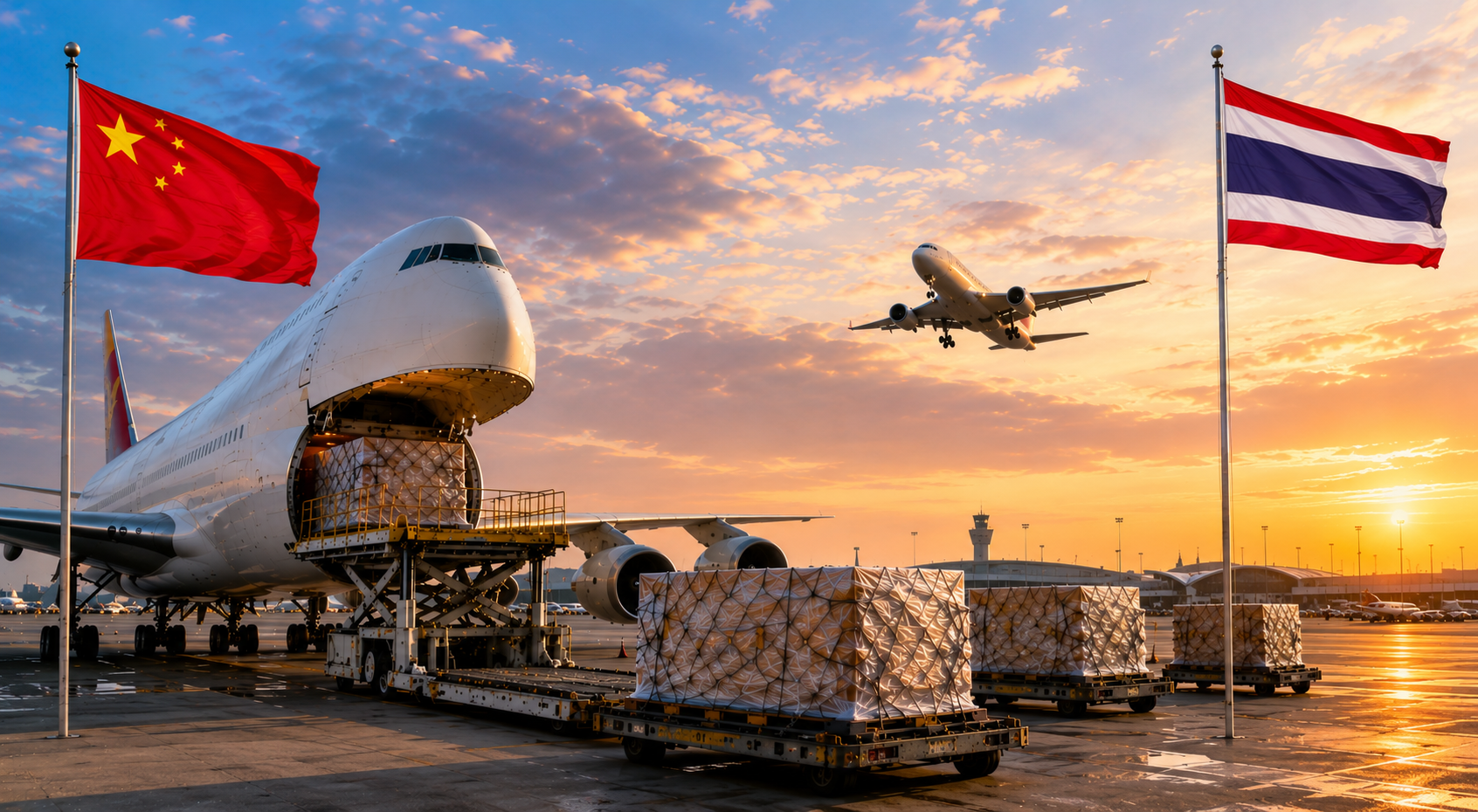
Air freight stands out as the most efficient, reliable, and cost-effective solution for transporting high-value, lightweight goods like delicate electronics or fashionable apparel from China to Thailand. It ensures these valuable items are delivered swiftly and securely to their destination.
However, utilizing air freight isn't as straightforward as packaging your goods and affixing an address. Many businesses face challenges by overlooking essential nuances of air shipping. For example, are you calculating shipment costs accurately, or relying on incorrect weight formulas? Overlooking such details can lead to costly pitfalls. Knowing the rules of the game is just as critical as playing it well.
Main International Airports in China
Airport | Code | Advantages |
Shanghai Pudong International Airport | PVG | China’s busiest cargo airport with extensive global connections and advanced cargo handling facilities |
Beijing Capital International Airport | PEK | Major international cargo hub with high flight frequency and efficient cargo handling systems |
Guangzhou Baiyun International Airport | CAN | Important South China gateway with strong connections to Asia, Europe, and Oceania markets |
Chengdu Shuangliu International Airport | CTU | Key aviation hub for Western China with growing international cargo routes |
Hangzhou Xiaoshan International Airport | HGH | Strategic airport in the Yangtze River Delta with fast customs clearance and strong regional connectivity |
Main International Airports in Thailand
Airport | Code | Advantages |
Suvarnabhumi Airport | BKK | Thailand’s largest cargo airport with strong international connectivity and Free Trade Zone facilities |
Don Mueang International Airport | DMK | Major regional airport offering cost-effective cargo solutions and strong ASEAN connections |
Phuket International Airport | HKT | Important airport for specialty and perishable cargo with strong tourism and export connections |
Chiang Mai International Airport | CNX | Key airport serving Northern Thailand with strong regional trade and manufacturing access |
U-Tapao Rayong-Pattaya International Airport | UTP | Growing logistics hub supporting the Eastern Economic Corridor and specialized aviation services |
Should I choose Air Freight from China to Thailand?
For shipments in the 100-150 kg (220-330 lbs) weight range, air cargo offered by carriers like China Southern Airlines and Thai Airways is an excellent choice. These reputable airlines provide a highly dependable and budget-friendly solution. While fixed flight schedules may lead to slightly longer transit times, the combination of affordability and exceptional service makes this option ideal for meeting your business needs seamlessly.
How long does air freight take From China to Thailand?
The standard transit time for air freight between these two countries typically ranges from 1-3 days. However, this timeframe can vary based on factors such as the chosen airports, cargo weight, and the type of goods being shipped. To get an accurate estimate tailored to your specific needs, contact a professional freight forwarder like GB FREIGHT.
How much does it cost to ship a parcel via air freight?
Shipping rates for parcels from China to Thailand via air freight generally range from $3 to $6 per kilogram. The cost depends on several factors, including the departure and destination points, the size and weight of the shipment, and the type of goods being transported. While it can be challenging to provide an exact upfront cost due to these variables, our team experts can analyze your unique requirements to offer a tailored and competitive quote. Feel free to reach out for a free quote.
The difference between volumetric weight and gross weight
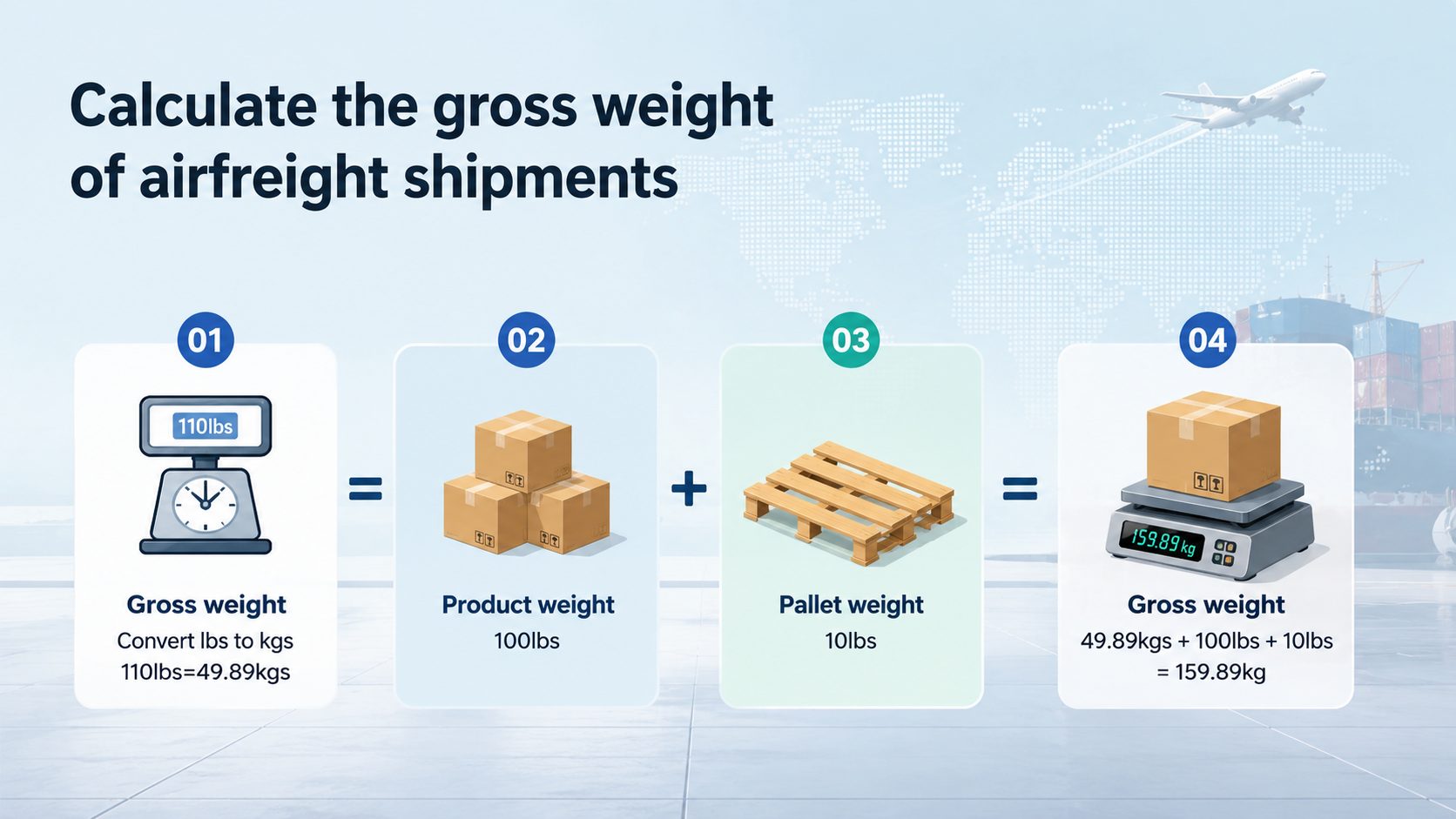
A clear understanding of gross weight and volumetric weight is vital for air freight shipping. Gross weight reflects the total actual weight of your shipment in kilograms, including its packaging. If a box weighs 50 kg in total, that’s your gross weight.
On the other hand, volumetric weight (or dimensional weight) calculates the space a package occupies rather than its actual weight. This is particularly significant for large, lightweight items. Volumetric weight is calculated by multiplying your package's length, width, and height (in centimeters), then dividing by a specific factor: 6,000 for standard air cargo or 5,000 for express air freight.
Shipping charges are then calculated based on either gross weight or volumetric weight whichever is higher. Factoring in both these measurements is crucial to optimize costs and streamline your shipping operations effectively.
Door-to-Door Shipping From China to Thailand
Imagine the convenience of having your goods collected directly from your facility in China and delivered to your doorstep in Thailand. That’s the advantage of International Door-to-Door shipping! This hassle-free solution allows businesses to avoid the stress of coordinating logistics, ensuring smooth and efficient transportation of goods. With less time and effort spent on logistics, you can focus on growing your business, let’s explore this practical shipping solution together.
What is Door-to-Door Shipping?
Considering shipping goods from China to Thailand? Door-to-Door service is the answer for a hassle-free logistics experience. This approach simplifies the complicated processes involved in international shipping by managing everything from pickup to delivery. Although slightly more expensive, it’s a favored choice for businesses that value convenience, efficiency, and dependability. It also includes navigating the complexities of customs clearance. By opting for DTD, you can remain focused on your business goals while we handle the intricate logistics. It’s not just about transporting goods—it’s about providing peace of mind.
Why Choose Door to Door Service From China to Thailand?
Shipping from China to Thailand doesn’t have to be as complicated as creating a perfect bowl of Tom Yum soup! Here’s how Door to Door services simplify the process and why they’re a top solution for your shipping needs:
Stress-Free Logistics: With Door to Door , every aspect of shipping—from pickup to customs clearance to cross-border transit—is expertly managed. Say goodbye to juggling multiple responsibilities and hello to more time for your core business tasks.
Reliable Delivery: Time-sensitive shipments are no problem with DTD’s precise scheduling. Every saved minute can mean seizing new business opportunities on time, keeping you ahead of the game.
Specialized Cargo Care: Whether your shipment is as fragile as Thai silk or as heavy as a Chinese Terracotta Warrior, DTD services provide specialized handling, ensuring your items arrive intact.
Comprehensive Trucking Services: From the bustling streets of Beijing to the verdant landscapes of Nakhon Pathom, DTD includes end-to-end trucking that guarantees seamless transportation through all stages of the journey. Leave navigating Asian traffic to experienced professionals!
Simplified Convenience: With everything managed under one roof and a single point of contact, the DTD service maximizes efficiency and provides unparalleled convenience. This fusion of logistics expertise makes shipping as smooth as any perfect Thai-Chinese cuisine.
In summary, Door-to-Door service is your go-to partner for navigating international logistics with ease, bringing maximum value at every destination.
Why Choose GB FREIGHT for Door-to-Door Shipping?
GB FREIGHT specializes in delivering stress-free, door-to-door shipping from China to Thailand. With extensive experience in freight forwarding, we handle all aspects of your shipment,from packing and transport to customs clearance across various shipping methods. You can request a free quote or consult our experts for instant advice.
Trust GB FREIGHT to transform complex logistics into simple and efficient journeys!


