
 |


| Quantity: | |
|---|---|
Vietnam
Freight Shipping From China to Vietnam
If you're planning to ship from China to Vietnam, the first thing to know is that while the process is fast and frequent, small errors at the origin or border can lead to significant delays.
Although the route may appear straightforward on a map, the real challenge lies in selecting the right mode of transport, port, and paperwork strategy from the outset. This guide provides a practical breakdown of freight shipping from China to Vietnam, helping you make informed decisions and avoid unexpected complications.
We support all shipping methods, including air, sea, rail, and road, offering comparisons tailored to your cargo type, timeline, and budget.
Sea Freight From China to Vietnam
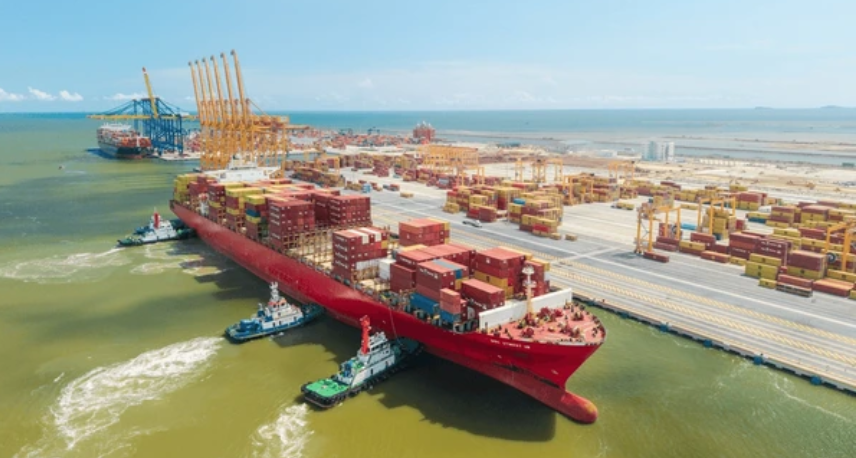
Sea freight from China to Vietnam When cost efficiency and consistent volumes are your priorities, sea freight is often the best choice. This is especially true for routes like Shanghai or Ningbo to Ho Chi Minh City and Da Nang, where weekly sailings simplify planning. If your goods are non-urgent and you prioritize predictable rates per cubic meter or container, ocean shipping tends to be the most practical option.
The Main Shipping Ports in China
Port of Shanghai
The world’s busiest container port, offering extensive international shipping routes and advanced logistics infrastructure for global trade.
Port of Shenzhen
A major export hub in South China, widely used for electronics, e-commerce products, and manufacturing cargo shipments worldwide.
Port of Ningbo-Zhoushan
One of the world’s largest deep-water ports with strong capabilities in handling both bulk cargo and containerized shipments.
Port of Guangzhou
An important gateway for international trade in the Pearl River Delta, supporting a wide range of industrial and commercial cargo.
Port of Qingdao
A key Northern China port known for efficient container operations and strong support for industrial and energy-related cargo.
Port of Tianjin
The primary seaport serving Beijing and Northern China, providing strong global shipping connections for import and export businesses.
Port of Xiamen
A strategic Southeast China port with growing international trade routes and strong regional shipping advantages.
Port of Hong Kong
A world-class international transshipment hub with advanced logistics services and excellent global connectivity.
Main Ports in Vietnam
Port of Hai Phong
The largest port in Northern Vietnam, serving Hanoi and nearby industrial zones with strong international shipping connections.
Port of Ho Chi Minh City
Vietnam’s busiest commercial port, handling large volumes of import and export cargo for global trade markets.
Port of Da Nang
An important port in Central Vietnam that supports regional cargo distribution and international shipping activities.
Port of Cai Mep-Thi Vai
A major deep-water port capable of accommodating large container vessels for direct international shipping services.
Port of Quy Nhon
A growing regional port mainly handling bulk cargo, agricultural products, and industrial shipments.
Port of Can Tho
A key Mekong Delta port specializing in agricultural exports, seafood transportation, and regional trade logistics.
Should You Choose FCL or LCL When Shipping From China to Vietnam?
When shipping goods from China to Vietnam, you can choose from the following container options:
20’GP**: 20-foot general purpose container with a capacity of 33 m³
40’GP**: 40-foot general purpose container with a capacity of 67 m³
40’HC**: 40-foot high cube container with a capacity of 76 m³
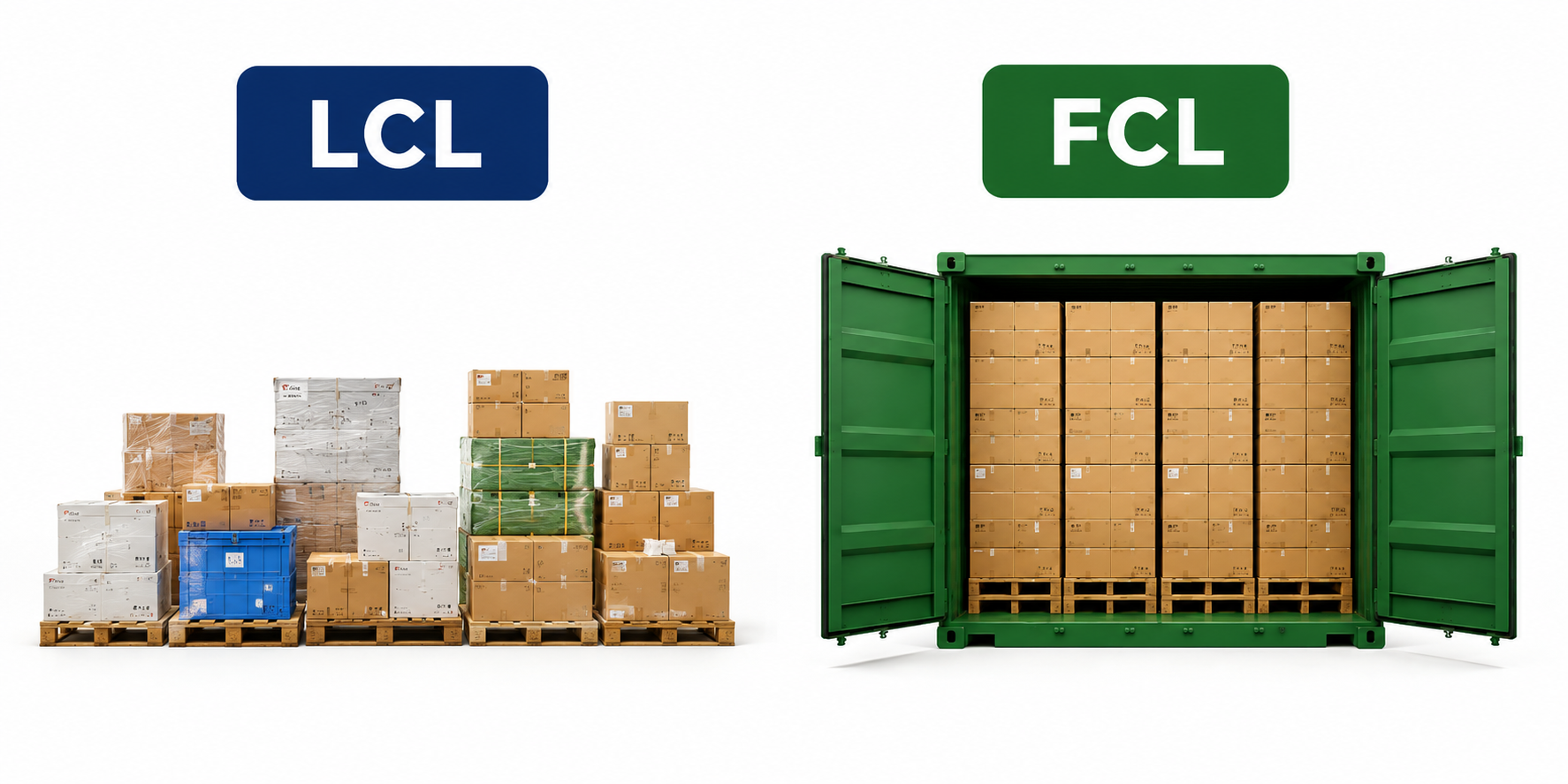
LCL (Less than Container Load)
LCL is ideal when your cargo is smaller than 14 CBM. With LCL shipping, goods from multiple customers are consolidated into one container, and you only pay for the space your shipment occupies. This option is cost-effective for small or light shipments and is especially useful when you want to share container space with other shipments, when your cargo volume does not justify a full container, when your shipment needs to be delivered to multiple recipients, or when air freight is not a suitable option due to cost or weight considerations.
FCL (Full Container Load)
FCL Suitable for shipments that exceed 15 CBM, even if the container isn't fully loaded. An FCL shipment involves renting an entire container exclusively for your goods, which reduces handling and increases safety. FCL is the most economical and secure choice for large shipments.
How long does sea freight take from China to Vietnam?
Transit time mostly depends on the departure port in China, the destination port in Vietnam, and the vessel schedule. Typically, shipping by sea between major ports in China and Vietnam takes 4 to 5 days under normal circumstances.
Origin (China) | Saigon | Da Nang | Port Cam Pha | Ba Ngoi |
Shanghai | 4 | 4 | 4 | 3 |
Ningbo | 4 | 5 | 4 | 4 |
Tianjin | 5 | 5 | 4 | 4 |
Qingdao | 6 | 6 | 5 | 5 |
Guangzhou | 5 | 5 | 4 | 4 |
Hong Kong | 6 | 6 | 5 | 5 |
How much does it cost to ship a parcel from China to Vietnam using air freight?
Shipping costs vary depending on factors such as container size, type of cargo, carrier availability, and seasonal demand. As a general guide:
A 20-foot FCL container may cost between $300 and $1,200.
A 40-foot FCL container may range from $500 to $1,600.
To get accurate pricing, it's best to check updated rates before finalizing production or booking, as freight costs fluctuate based on demand and shipping space availability.
Air freight from China to Vietnam
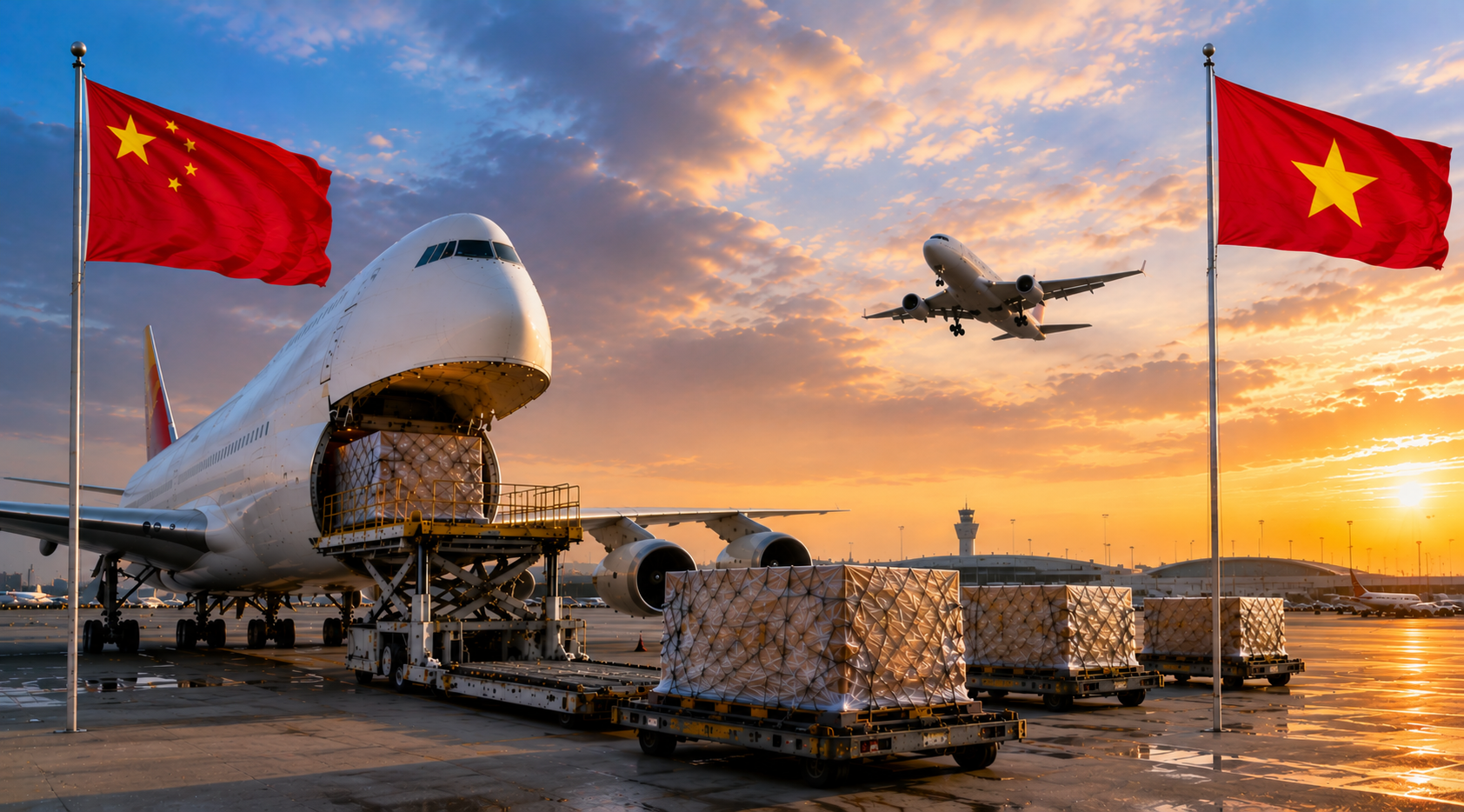
Air freight from China to Vietnam is one of the fastest and most efficient logistics solutions for cross-border trade in Southeast Asia. With strong economic ties between the two countries, daily cargo flights connect major Chinese hubs such as Beijing, Shanghai, Guangzhou, and Shenzhen with key Vietnamese destinations including Hanoi and Ho Chi Minh City. This route is widely used for electronics, garments, machinery, and time-sensitive goods that require fast delivery and reliable handling.
Air freight offers shorter transit times compared to sea transport, making it an ideal choice for businesses that need stable schedules, quick customs clearance, and efficient supply chain performance from China to Vietnam.
Main International Airports in China
Airport Code | Airport Name |
SHA | Shanghai Hongqiao International Airport |
SZX | Shenzhen Bao’an International Airport |
CTU | Chengdu Shuangliu International Airport |
PEK | Beijing Capital International Airport |
KMG | Kunming Changshui International Airport |
PVG | Shanghai Pudong International Airport |
CAN | Guangzhou Baiyun International Airport |
Main International Airports in Vietnam
Airport Code | Airport Name |
SGN | Tân Sơn Nhất International Airport |
HAN | Nội Bài International Airport |
CXR | Cam Ranh International Airport |
DAD | Đà Nẵng International Airport |
VCA | Cần Thơ International Airport |
DLI | Liên Khương International Airport |
HUI | Phú Bài International Airport |
HPH | Cát Bi International Airport |
PQC | Phú Quốc International Airport |
Should I choose Air Freight from China to Vietnam?
Air transport offers distinct advantages over sea transport, such as reliability, ease of handling, reduced packaging costs, and most notably, speed. With transit times generally measured in just a few days, air freight provides a level of efficiency that other modes of transport cannot rival. One key feature of international air freight is its usage of the volumetric ratio, defined as 6,000 cubic centimeters per kilogram, with the shipment's actual weight expressed in kilograms. While air freight is often costlier, it remains an unparalleled choice for shipments requiring swift delivery.
How Long Does Air Freight Take From China to Vietnam?
The duration for shipping air cargo from China to Vietnam can differ based on factors such as the specific cities involved, the chosen airline, the nature of the cargo, and any customs or regulatory processes. Typically, air cargo shipments between these countries take around 1 to 2 days. However, elements like cargo dimensions and weight, flight availability, or unexpected delays may lead to longer transit times.
The cost of air freight from China to Vietnam
The cost of air freight from China to Vietnam depends on several factors, including the shipment’s weight, size, cargo type, and the departure and destination airports. Pricing is usually calculated per kilogram, and smaller parcels tend to have a higher rate per kg compared to larger consolidated shipments.
On average, air freight from China to Vietnam ranges from USD 2 to USD 5 per kg, depending on service speed, airline capacity, and seasonal demand. Additional charges such as fuel surcharges, customs clearance fees, and last-mile delivery may also apply if door-to-door service is required.
What is volumetric weight?
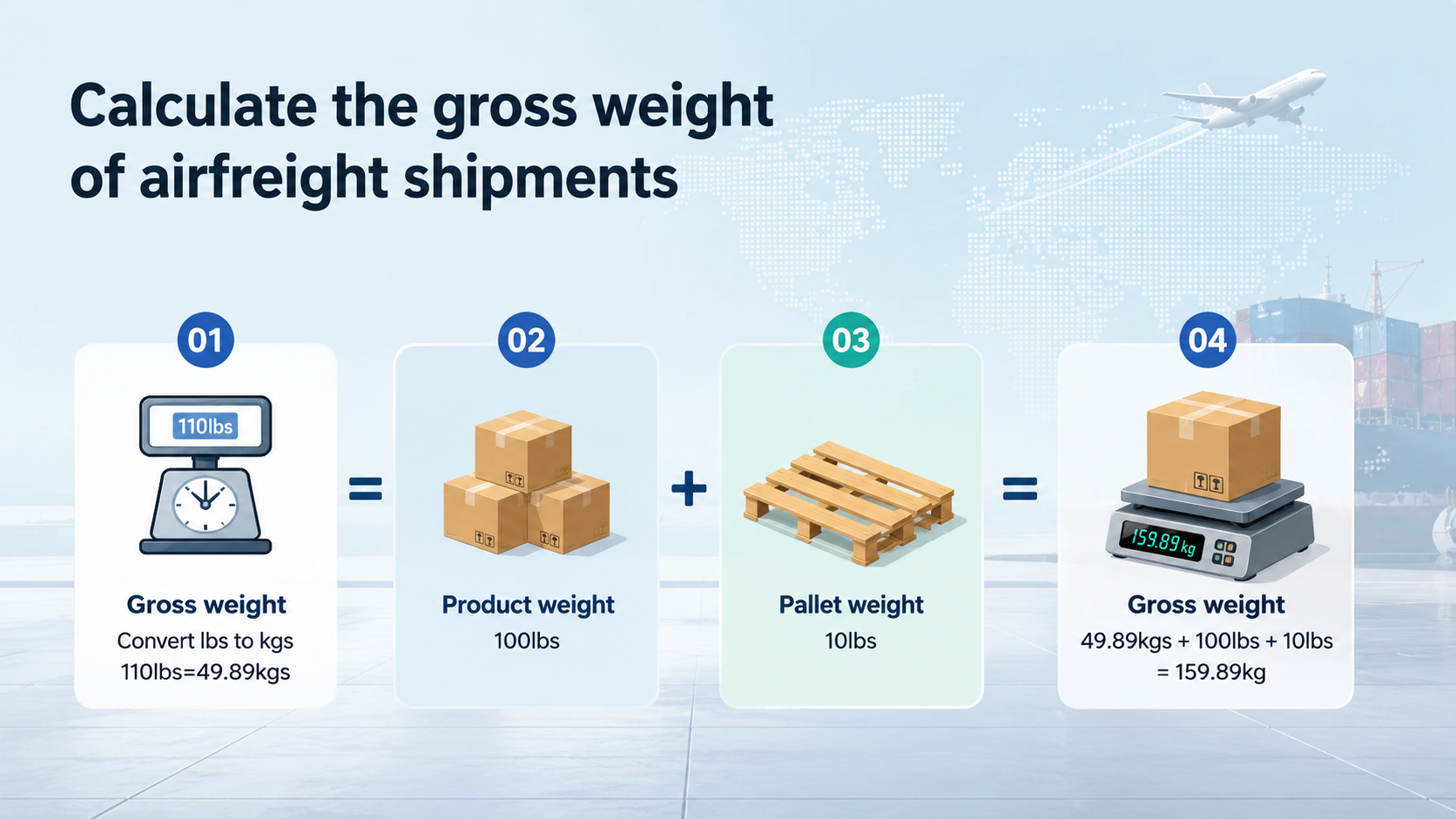
The cost of air freight is determined by both the weight and the volume of the cargo. For items that are small in size yet dense in weight, pricing is calculated based on the actual weight. Conversely, for cargo that occupies significant space but is lightweight, the pricing will be based on its volumetric weight.
The formula for calculating volumetric weight is:
Volumetric weight = (Length in cm × Height in cm × Width in cm) ÷ 6,000
Both the volumetric weight and the actual (gross) weight are considered when determining the chargeable weight of a shipment. Whichever value is higher will be used to calculate the shipping cost.
Door-to-Door Delivery from China to Vietnam
Tired of navigating complex shipping procedures? Deciding the best transport mode, choosing between FCL or LCL container options, or selecting traditional vs. express air freight can make managing shipments overwhelming. At GB FREIGHT, we simplify the process with our comprehensive door-to-door service. From picking up your goods at your location to preparing all required documentation and delivering them to their final destination, we handle every step for you, including customs clearance.
For any questions about door-to-door transport, don’t hesitate to reach out to our experts through our online form.
Why Choose Door-to-Door Shipping?
Our door-to-door service ensures a seamless shipping experience from start to finish. With team members on-site in both China and Vietnam, we can mitigate additional costs and delays often caused by miscommunications among different parties in the logistics chain.


