
Views: 247 Author: GB Freight-Michelle Publish Time: 2025-11-21 Origin: Site


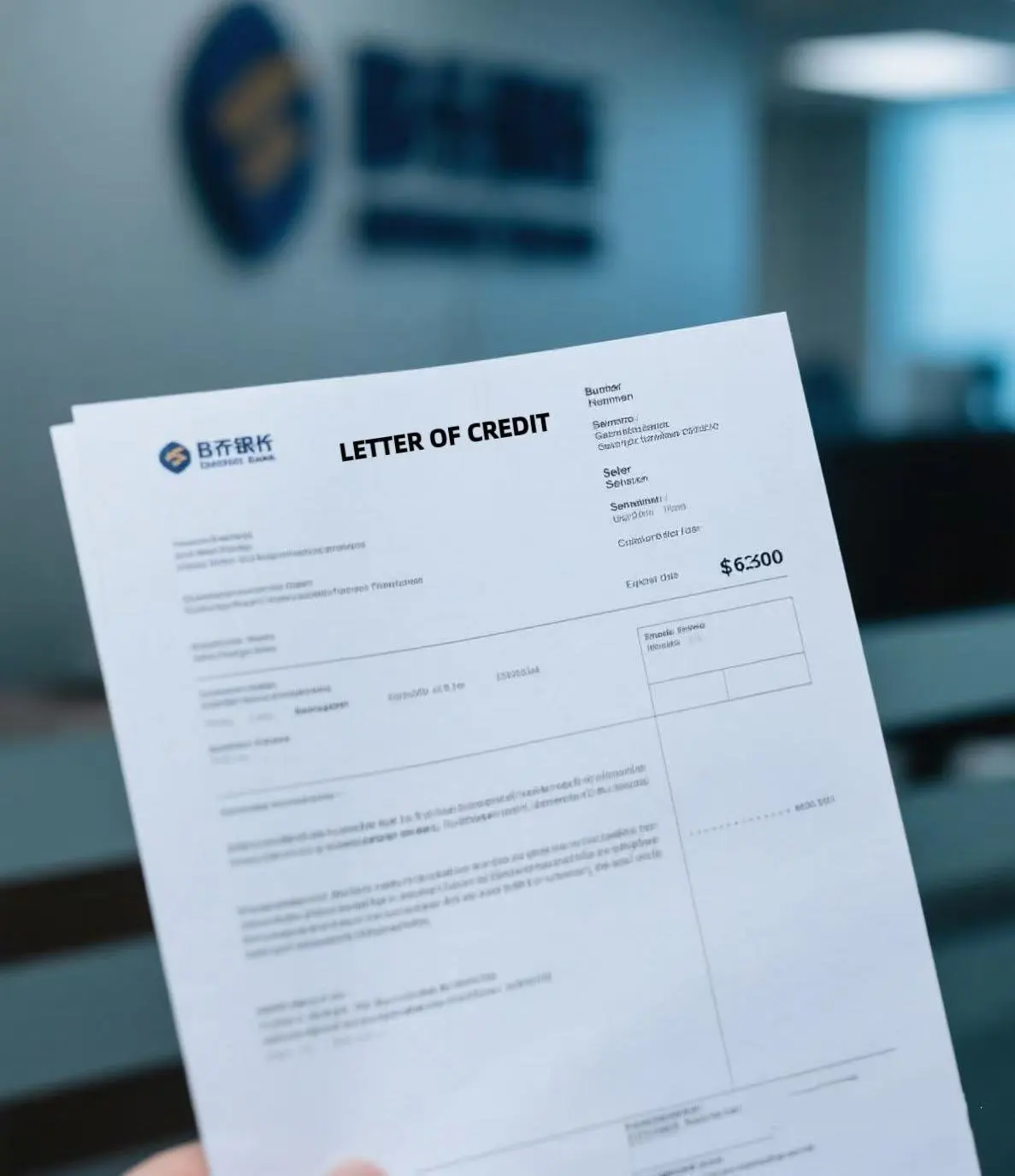
In international trade, a Letter of Credit plays a vital role in ensuring secure and smooth transactions between importers and exporters. Since cross-border trade involves financial risks, many businesses rely on this trade finance instrument to guarantee payment and protect both parties. In this guide, I will explain what a Letter of Credit is, why it matters, the different types available, and how it works in real trade operations.
A Letter of Credit (LC) is a financial commitment issued by a bank on behalf of an importer. It guarantees payment to the exporter once all required documents strictly comply with the terms stated in the LC. As a result, exporters gain confidence that they will receive payment, while importers gain assurance that the goods will be shipped according to the contract.
Moreover, an LC in international trade minimizes risks associated with unfamiliar markets, political instability, and credit uncertainty. Therefore, companies frequently use this method when they do not yet have a long-term business relationship.
Using a Letter of Credit offers several advantages:
Because a bank guarantees payment, exporters avoid the fear of non-payment. Importers, meanwhile, ensure that the shipment follows the agreed terms.
This bank guarantee for exporters adds credibility and protects both parties, especially when different legal systems and currencies are involved.
Furthermore, involving reputable banks increases trust between trading partners, helping companies expand into new markets.
Exporters can even use an LC as collateral to access working capital, which helps finance production or raw materials before payment is received.
Since Letters of Credit offer both at-sight and deferred payment options, businesses can structure payment timelines based on their financial needs.
Because the issuing bank assumes political and economic risks, exporters feel more confident trading with high-risk regions.
Different trade scenarios call for different forms of LC in international trade. Here are the most commonly used types:
The issuing bank can amend or cancel it anytime without the exporter’s consent. However, this type is rarely used due to low security.
This LC cannot be modified or cancelled unless all parties agree. Therefore, it is widely used in global trade because it offers maximum protection.
Another bank—usually in the exporter’s country—adds its guarantee. This provides an additional safety layer, especially useful when the importer’s bank is less known internationally.
Only the issuing bank guarantees the payment.
Payment is made immediately after document verification, which is ideal for exporters who want fast cash flow.
Payment is made at a later date, giving importers more time to settle funds.
Using a Letter of Credit involves multiple steps. Although the process may seem detailed, understanding the flow ensures smoother trade operations.
The importer and exporter confirm all trade terms and agree to use a Letter of Credit. Details include product specifications, shipment dates, payment terms, and required documents.
The importer applies for the LC from their bank. After checking the importer’s creditworthiness, the bank issues the LC and sends it to the advising bank in the exporter’s country.
The advising bank authenticates the LC and forwards it to the exporter for review.
Once the exporter confirms all terms are correct, they ship the goods and prepare the required documents, including:
Bill of Lading
Commercial Invoice
Packing List
Certificate of Origin
Any other documents required in the LC
The exporter submits documents to their bank for verification. If everything complies, the documents are passed to the issuing bank.
The issuing bank confirms the documents and releases payment accordingly. For an LC at sight, payment is made immediately.
Finally, the exporter receives payment through the advising or confirming bank.
Using a Letter of Credit provides major benefits, including:
Better cash flow management
Reduced disputes due to strict documentation rules
Enhanced trust in new markets
Easier financing options
Protection from political and economic risks
These benefits show why a trade finance instrument like an LC remains one of the most reliable payment methods in international trade.

In addition to Letters of Credit, many exporters also rely on export credits. These tools help businesses reduce risk and improve cash flow during overseas transactions. Export credits include:
The exporter offers financing directly to the buyer, often supported by an export credit agency (ECA).
Banks provide loans to international buyers so they can purchase goods from the exporter’s country.
Insurance protects exporters if foreign buyers fail to pay due to political or commercial risks.
Altogether, export credits help businesses expand into global markets with greater confidence and less financial pressure.
A Letter of Credit remains one of the most powerful tools in global trade. It ensures secure payment, protects both parties, and supports smooth logistics operations. When combined with export credits, businesses can compete globally with less risk and improved financial stability.
If you want to streamline your international shipping operations, my team is ready to help. We simplify trade documentation, ensure smooth customs handling, and guide you through every step of your freight movement.
If you have any question Feel free to contact us!
Follow us on:
Facebook: https://www.facebook.com/profile.php?id=61567280547251
Instagram: https://www.instagram.com/gb_intlfreightagency/
Linkedin: https://www.linkedin.com/company/gb-intl-freight-agency-co-ltd/?viewAsMember=true


