
Views: 212 Author: GB FREIGHT Publish Time: 2026-08-01 Origin: Site


Content Menu
● Expert Guidance for Exporters
● Working With GB Freight Agency
● FAQ
>> 1. Which is better for high-value electronics, air or sea freight?
>> 2. Is air freight always safer for electronics?
>> 3. When should I choose sea freight for electronics?
>> 4. Can electronics with lithium batteries move by air?
>> 5. How do I decide between air and sea freight?
>> 6. What kind of forwarder should handle high-value electronics?
For high-value electronics, the right freight forwarder is usually the one that balances speed, security, compliance, and landed cost—not the one that simply offers the lowest base rate. Air freight is typically better for urgent, lightweight, high-value cargo, while sea freight is usually better for larger shipments where cost efficiency matters more than transit time.
High-value electronics often move through supply chains where delays can stop production, disrupt launches, or trigger stockouts. That is why the air freight forwarder vs sea freight forwarder decision should be based on total business impact, not freight cost alone.
For a China-based exporter, this is even more important because route planning, export coordination, customs documentation, and battery compliance can change the final result just as much as transit speed. Electronics shipments also face special scrutiny when lithium batteries, RF devices, or sensitive components are involved.
An air freight forwarder is typically the better fit when the shipment is time-sensitive, high in value per kilogram, or tied to a product launch or urgent replenishment. Industry guidance shows air freight is commonly selected for semiconductors, ICs, precision modules, samples, and small batches of consumer electronics because delivery can be measured in days instead of weeks.
Air freight also reduces the number of handling points compared with sea freight, which can lower exposure to damage and theft for sensitive cargo. In many cases, the higher freight rate is justified by lower inventory holding cost, faster market response, and reduced stockout risk.
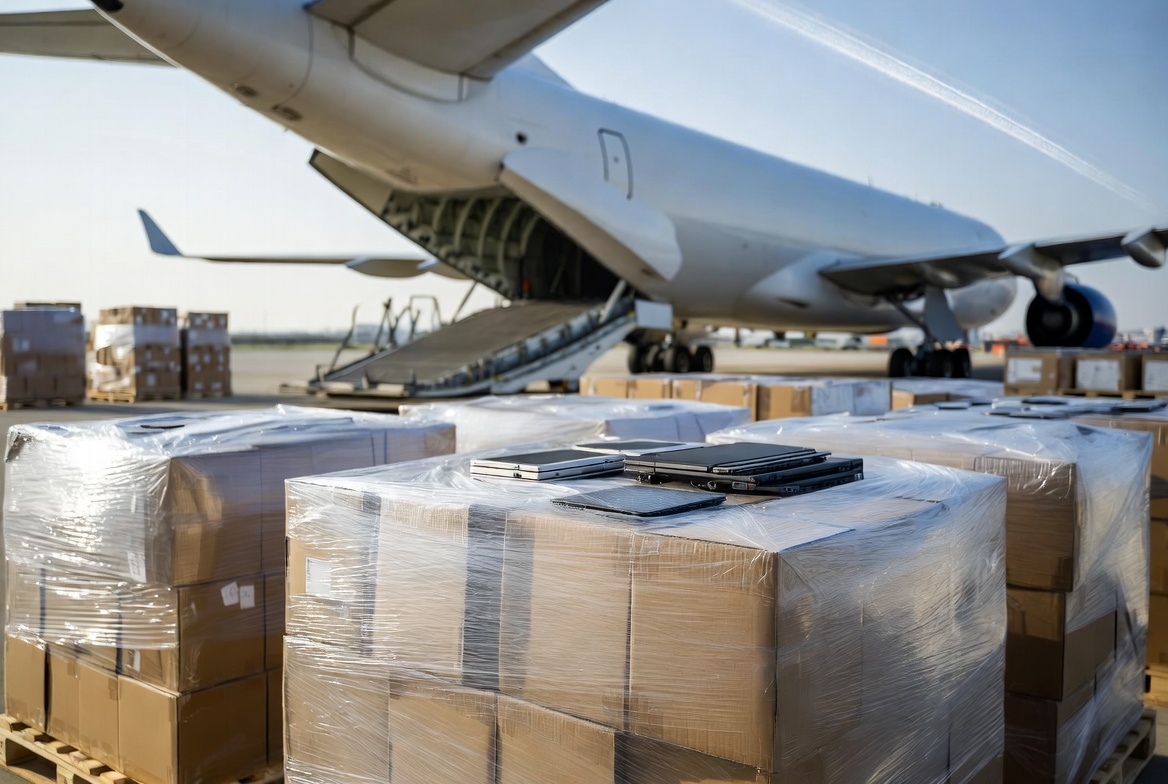
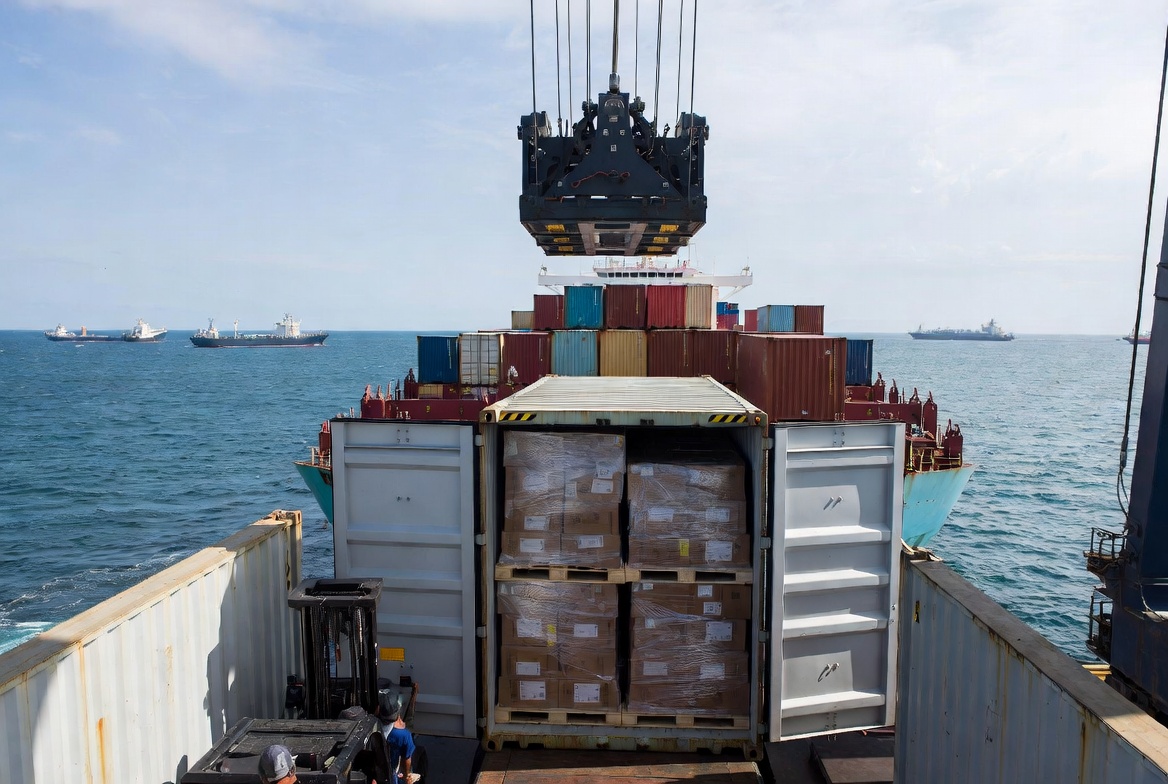
A sea freight forwarder is usually the better choice when the shipment is larger, less urgent, or being moved in regular production cycles. Ocean freight is widely considered the most cost-effective mode for bulk electronics, especially when shipments can fill LCL or FCL space efficiently.
Sea freight becomes especially attractive when the goods can tolerate longer lead times and the business can plan inventory in advance. For electronics with predictable demand, sea freight often lowers landed cost substantially, even though transit time is much longer.
| Factor | Air Freight Forwarder | Sea Freight Forwarder |
|---|---|---|
| Transit time | Usually 3–7 days | Usually 20–45 days |
| Cost level | Higher per kg | Lower per CBM/ton |
| Best for | Urgent, high-value, low-weight cargo | Bulk, planned, cost-sensitive cargo |
| Handling risk | Fewer touchpoints | More handling points |
| Inventory impact | Lower inventory in transit | More capital tied up in transit |
| Compliance focus | Strong battery and DG handling needs | Better for non-urgent compliant cargo |
Air freight is usually the smarter option when speed creates profit. That includes new product launches, emergency replenishment, buyer samples, trade show shipments, and short-lifecycle electronics where a few weeks can affect sales performance.
A practical rule used by many shippers is to compare freight cost against cargo value and time sensitivity together, not separately. Industry sources note that air freight often makes more sense for high-value, low-weight goods, while sea freight becomes more economical once the shipment grows in size or can wait longer.
Sea freight wins when the shipment is large enough that unit economics matter more than speed. This is especially true for finished electronics, parts, accessories, and replenishment cargo where a longer transit window is acceptable.
Sea freight also helps businesses protect margin on recurring shipments. If the buyer can forecast demand accurately and hold buffer stock, the lower freight cost can outweigh the longer transit time.
High-value electronics are not just expensive; they are also sensitive to moisture, vibration, static, and theft risk. That means the freight mode must be paired with proper packaging, cargo insurance, and documentation control.
Lithium batteries add another layer of complexity. Air shipments need strict dangerous goods packaging and paperwork, while ocean shipments still require careful compliance checks and proper declarations. For exporters handling mixed product categories, a freight forwarder with electronics experience is far more valuable than a generalist operator.
Use this simple decision flow before booking:
1. Is the cargo urgent?
If yes, air is usually the first option.
2. Is the cargo high value but light?
If yes, air freight often delivers the best business result.
3. Is the shipment bulky and stable demand?
If yes, sea freight is usually more economical.
4. Does it contain lithium batteries or regulated electronics?
If yes, verify packaging and documentation before choosing the mode.
5. Is the total landed cost still profitable?
Compare freight, insurance, duties, inventory cost, and delay risk together.
In 2026, electronics shippers are facing tighter compliance expectations, fluctuating tariff exposure, and more pressure to protect margin through better mode selection. Current guidance also shows that routing decisions now need to account for customs classification, lithium battery rules, and changing trade conditions, not just transit time.
That means the strongest freight strategy is often a hybrid one. Many exporters send urgent launch stock by air, then move replenishment inventory by sea once demand is stable.
From an operational perspective, the best forwarding partner for high-value electronics should do more than move freight. They should help coordinate supplier pickup, export declaration, packaging review, route selection, cargo insurance, and final delivery scheduling.
For China-to-global shipments, that support matters because delays can begin before the cargo even reaches the port or airport. A forwarder that understands electronics cargo can reduce booking errors, improve customs readiness, and keep the supply chain moving with fewer surprises.
If you are shipping chips, ICs, or small premium devices, air freight is often the stronger choice because the cargo value is high and the shipment must arrive quickly. If you are shipping larger batches of accessories or assembled electronics, sea freight often delivers better cost control.
For example, a brand launching a new smart device may use air for the first market entry and sea for the next replenishment cycle. That approach protects launch timing while keeping long-term logistics cost under control.
GB FREIGHT AGENCY CO., LTD. can support both models from China to global destinations, including supplier coordination, export customs clearance, international transport, and final delivery. For high-value electronics, the right solution is usually not just "air" or "sea," but the mode that best matches value, urgency, and compliance risk.
If your shipment needs a clear recommendation, the next step is to compare cargo value, transit deadline, packaging type, and destination requirements before booking.
Air freight is usually better for high-value electronics when speed, security, and low inventory time matter most. Sea freight is better when the shipment is larger and the delivery timeline is flexible.
Air freight usually has fewer handling points and shorter transit time, which can reduce risk. However, proper packaging and compliance are still essential in both modes.
Choose sea freight when the cargo is not urgent, the shipment is bulky, and cost efficiency is the priority. It is especially suitable for stable replenishment orders and planned inventory cycles.
Yes, but they require strict dangerous goods handling, packaging, and documentation. The shipment must be checked carefully before booking because compliance is stricter than for standard cargo.
Compare transit time, cargo value, shipment volume, compliance complexity, and total landed cost together. The cheapest freight rate is not always the cheapest overall solution.
Choose a forwarder with electronics experience, customs knowledge, and strong documentation control. That reduces the risk of delays, misclassification, and avoidable compliance issues.
1. DHL Global Forwarding. *Choosing Between Air and Ocean Freight*. [https://www.dhl.com/us-en/home/global-forwarding/freight-forwarding-education-center/choosing-between-air-and-ocean-freight.html]
2. Dedola Global Logistics. *Shipping Electronic Imports from China in 2026*. [https://dedola.com/blog/shipping-electronic-imports-from-china-freight-options-and-what-to-watch-for-in-2026/]
3. FreightAmigo. *Air vs. Sea Freight | Cost-Effective Guide*. [https://www.freightamigo.com/en/blog/logistics/air-freight-vs-sea-freight/]
4. ONS Logistics. *When to Choose Air Freight for Electronics Shipments*. [https://www.onslog.com/resources/air-freight-electronics]
5. Top China Freight. *Electronics Freight from China: Complete 2025 Guide*. [https://topchinafreight.com/electronics-freight-from-china-complete-2025-guide/]


