
Views: 243 Author: GB FREIGHT Publish Time: 2026-08-19 Origin: Site


Content Menu
● Quick Comparison of Major China Wholesale Clothing Markets
● Guangzhou Wholesale Clothing Markets for Price and Variety
>> Baima Clothing Market for Boutique Women's Fashion
>> Shahe Clothing Market for Budget and High-Volume Apparel
>> Shisanhang for Trend-Focused Fashion Buyers
● Other Major Clothing Markets in China
>> Hangzhou Sijiqing for Multi-Tier Sourcing
>> Shenzhen Nanyou for Higher-End Women's Apparel
>> Changshu Garment City for Stable Bulk Orders
● How to Choose the Right Wholesale Clothing Market
● Supplier Verification Before You Pay
>> A Buyer's Pre-Payment Checklist
● From Wholesale Market to Overseas Warehouse
>> Our Apparel Shipping Process
>> Choosing Air, Sea, Rail, or Door-to-Door Service
● Apparel Import Compliance: Do Not Leave It Until Shipping Day
● Why Buyers Use GB FREIGHT AGENCY CO., LTD.
● FAQ
>> What is the best China wholesale clothing market for beginners?
>> Which clothing market in China offers the lowest prices?
>> Can I buy from multiple clothing suppliers and ship everything together?
>> How long does shipping clothing from China take?
>> Do wholesale clothing suppliers in China provide export documents?
>> What information should I give a freight forwarder for a clothing shipment?
>> Is it necessary to inspect clothing before shipping from China?
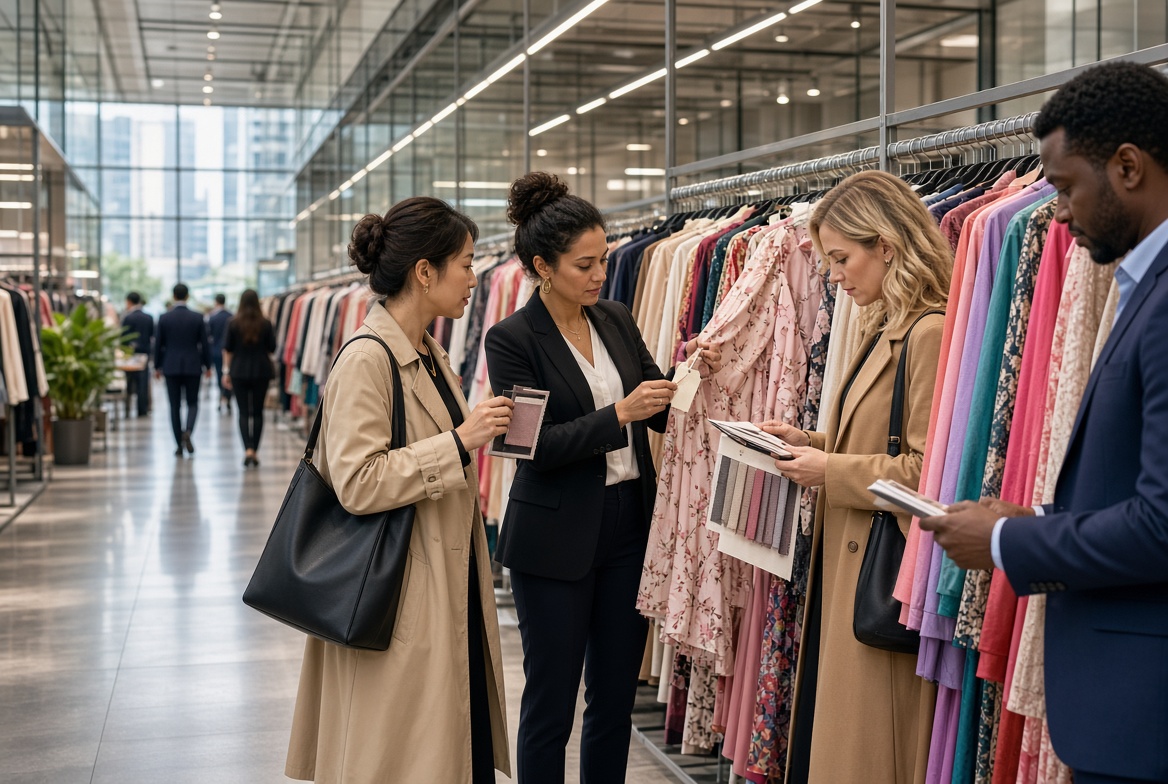
China wholesale clothing markets remain one of the most efficient places for importers, boutique owners, online sellers, and distributors to source apparel at different price levels. From low-cost fast-fashion stock in Guangzhou to designer-led women's wear in Shenzhen, buyers can compare products, negotiate with suppliers, and build flexible purchasing plans in a short period.
But choosing the right China wholesale clothing market is only the first step. The real commercial result depends on product inspection, supplier coordination, accurate documentation, shipping cost control, customs preparation, and reliable final delivery. For overseas buyers, a low unit price can quickly lose its advantage if orders from several suppliers are not consolidated and managed correctly.
At GB FREIGHT AGENCY CO., LTD., we have 15 years of international logistics experience helping businesses ship goods from China to Europe, North America, South America, Southeast Asia, the Middle East, Africa, and Oceania. We coordinate supplier bookings, pickup, export declaration, freight, customs procedures, and delivery to the final destination.
| Wholesale clothing market | City | Best for | Typical price level | Typical buying style |
|---|---|---|---|---|
| Baima Clothing Market | Guangzhou | Boutique women's fashion | Mid to high | Compare quality-focused suppliers |
| Shahe Clothing Market | Guangzhou | Budget apparel and large-volume orders | Low to mid | Fast sourcing and price-led purchasing |
| Shisanhang / New China Plaza | Guangzhou | Trend-led women's clothing | Mid to high | Style comparison by floor and supplier |
| Sijiqing Clothing Market | Hangzhou | Multi-tier apparel sourcing | Budget to premium | Broad category and quality selection |
| Nanyou Fashion Market | Shenzhen | Designer-style women's fashion | Mid to high | Boutique, differentiated collections |
| Qipu Road Market | Shanghai | Small test orders and accessories | Low to mid | Fast product scanning |
| Changshu Garment City | Changshu | Stable bulk supply and basics | Low to mid | Volume purchasing and repeat orders |
The best market is not automatically the largest one. It is the market that matches your customer profile, target retail price, expected order volume, quality standard, and lead-time requirements.
Guangzhou is often the first stop for international apparel buyers because it offers a dense network of wholesale districts, factories, sample rooms, and freight options. Buyers can source women's wear, men's apparel, children's clothing, accessories, footwear, and seasonal stock within a relatively compact commercial area.
Baima Clothing Market is a practical choice for buyers looking for more refined women's apparel, Korean-inspired styles, and mid-range boutique products. The market is close to Guangzhou Railway Station and has a more structured environment than many street-based wholesale areas.
Buyers commonly visit Baima when they need:
- Women's dresses, blouses, knitwear, jackets, and coordinated sets
- Trend-responsive styles for boutiques and online fashion stores
- Suppliers with more polished samples and better fabric selection
- Mid-range apparel that can support a higher retail margin
Practical buying advice: Do not place an order after visiting only one shop. Compare fabric weight, seams, lining, zipper quality, size measurements, color consistency, and packaging across several suppliers. Similar-looking products can have very different quality levels.
Shahe is one of Guangzhou's most active apparel sourcing districts. It is suitable for buyers focused on low purchase prices, large product variety, fast-moving styles, and volume distribution.
This market is especially relevant for:
- Discount retailers and marketplace sellers
- Fast-fashion resellers
- Buyers testing multiple low-cost styles
- Importers purchasing basic apparel in larger quantities
Shahe can offer strong price advantages, but quality consistency requires close attention. Suppliers may use different fabrics, trims, or production standards between batches. Buyers should request clear product specifications before confirming a repeat order.
Shisanhang, often associated with New China Plaza, is known for women's fashion and a useful floor-by-floor buying structure. Lower floors typically contain more price-driven merchandise, while upper levels are often more relevant for buyers seeking better styling, materials, or finishing.
For many buyers, Shisanhang works well when sourcing:
- Seasonal women's collections
- Fashion-forward boutique products
- Small wholesale orders by color or style
- Accessories and complementary fashion items
A common minimum order quantity can be around 5–10 pieces per style or color, although each seller sets their own rules. Confirm the MOQ, unit price, available sizes, production time, and replenishment ability before paying a deposit.
Hangzhou Sijiqing is a large wholesale ecosystem rather than a single building. It gives buyers access to budget goods, mid-range styles, domestic fashion brands, premium women's wear, accessories, and children's clothing.
This market is useful if your business sells across several price segments. A distributor may source basic T-shirts for one sales channel while also selecting premium dresses for a boutique collection.
Sijiqing requires preparation. Make a sourcing list before arrival that includes product category, target cost, preferred materials, size range, expected quantity, and acceptable lead time. Without a clear plan, buyers can spend a full day comparing products without making efficient decisions.
Nanyou Fashion Market in Shenzhen is better suited to buyers who prioritize design, fabric, and differentiation over the lowest possible price. It is widely used by boutique retailers, brand owners, and fashion distributors looking for more distinctive women's apparel.
Common sourcing characteristics include:
- Smaller quantities per style than mass-market sourcing
- Higher unit prices than Shahe or Changshu
- More emphasis on fabric, silhouette, and seasonal design
- Less room for aggressive price negotiation
- Strict rules in some stores regarding photography and product handling
For international buyers, it is important to clarify whether products are ready stock, can be reordered, or require a production lead time. A sample that looks strong in a showroom is not enough; you also need confidence in future supply.
Changshu Garment City is particularly suitable for wholesalers and importers buying basic garments, casualwear, children's clothing, footwear, bags, and seasonal inventory in larger volumes. Compared with highly trend-led fashion markets, Changshu is more focused on stable supply and price efficiency.
Buyers often use Changshu for:
- Basic T-shirts, trousers, knitwear, and outerwear
- Large-volume wholesale programs
- Factory-direct or factory-connected suppliers
- Seasonal clearance and overstock purchases
- Repeat orders for mass-market retail channels
For overseas sales, always request actual garment measurements rather than relying only on size labels. Chinese size standards can differ significantly from US, UK, EU, and Australian customer expectations.
A good sourcing trip begins before you enter the market. The most efficient buyers know their commercial limits and evaluate suppliers using the same checklist.
| Decision factor | Questions to ask before buying |
|---|---|
| Customer segment | Are you selling budget basics, trend fashion, or premium boutique apparel? |
| Target cost | What is the maximum landed cost per unit after freight, duty, and local delivery? |
| Order quantity | Are you testing products or buying for a full season? |
| Quality level | What fabric, stitching, labeling, and packaging standards do you require? |
| Reorder potential | Can the supplier reproduce the same item after the first order? |
| Shipping deadline | Does the product need to arrive before a promotion, season, or retail launch? |
| Compliance | Does the product have correct fiber information, country-of-origin details, and market-ready labels? |
The phrase landed cost matters more than the supplier's quoted price. Landed cost includes goods value, local pickup, consolidation, export handling, international freight, insurance where applicable, customs charges, duties, taxes, and final delivery.
For example, a buyer may save USD 1.20 per garment by selecting a cheaper supplier. However, that saving may disappear if the supplier ships late, uses weak cartons, cannot provide proper documents, or creates a separate small shipment with high freight costs.
Wholesale markets move quickly, but payment should follow a basic verification process. This is especially important when you are working with a supplier for the first time or purchasing for export.
1. Confirm the supplier's business name, contact person, stall location, and payment details.
2. Record product photos, style codes, fabric composition, colors, sizes, and agreed unit prices.
3. Clarify the MOQ for each style, color, and size.
4. Ask whether the goods are ready stock or require production.
5. Confirm the estimated completion date and packing method.
6. Agree on acceptable quality standards and how defective pieces will be handled.
7. Request a pro forma invoice or written order confirmation.
8. Send supplier and cargo details to your freight partner before final payment.
A written order record protects both sides. It also helps the freight team identify which cartons belong to which supplier when collecting goods from multiple locations.
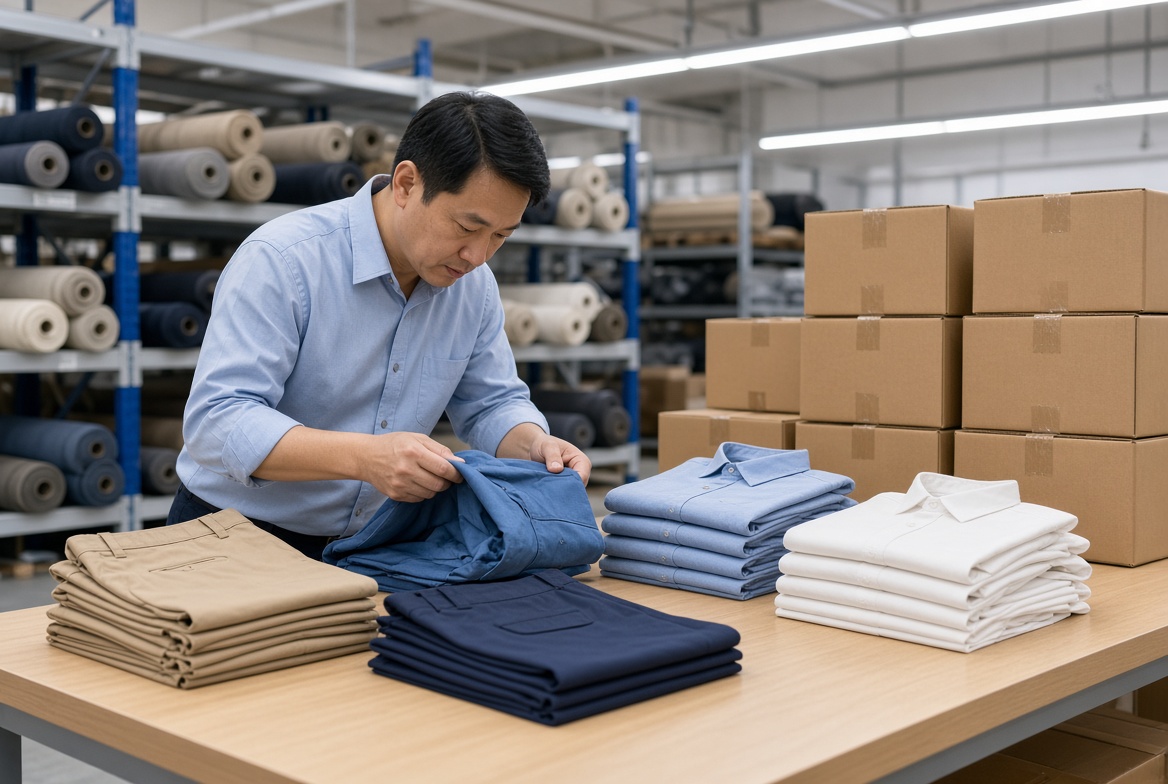
Managing apparel logistics from China is not simply a matter of booking a flight or container. Clothing orders often involve multiple suppliers, mixed cartons, different ready dates, product labels, and strict delivery deadlines.
GB FREIGHT AGENCY CO., LTD. can coordinate the logistics workflow from sourcing point to destination. Our team supports clients shipping from major sourcing regions across China, including Guangzhou, Shenzhen, Hangzhou, Shanghai, Changshu, and other supplier locations.
1. Supplier coordination: We contact suppliers to confirm cargo readiness, pickup details, carton counts, and shipping requirements.
2. Cargo pickup: We arrange collection from wholesale markets, factories, warehouses, or supplier addresses.
3. Consolidation: We combine goods from multiple suppliers where appropriate, reducing duplicated handling and helping control freight costs.
4. Cargo checking: We verify carton quantity, outer packaging condition, shipping marks, and basic shipment consistency before dispatch.
5. Export handling: We prepare and coordinate export declaration procedures and shipment documentation.
6. International transport: We offer air freight, sea freight, rail options on selected routes, and door-to-door solutions depending on the destination and cargo profile.
7. Customs and final delivery: We support customs procedures and arrange delivery to your warehouse, fulfillment center, retail location, or designated address.
| Transport option | Best for | Main advantage | Important consideration |
|---|---|---|---|
| Air freight | Samples, replenishment, urgent fashion stock | Fast transit | Higher cost per kilogram |
| Sea freight | Larger apparel orders and regular imports | Lower cost for volume | Requires longer planning time |
| Rail freight | Selected China–Europe cargo | Balance between speed and cost | Route availability varies |
| Door-to-door service | Importers seeking a simpler process | Coordinated pickup through delivery | Cargo details must be declared accurately |
The right option depends on cargo volume, chargeable weight, destination, product value, urgency, and import requirements. A good logistics plan should be made while you are sourcing, not after every supplier has already packed goods.
Clothing is a consumer product category, so product information and labeling deserve attention early. For European markets, textile products containing at least 80% textile fibers generally require fiber composition labeling. Labels should be durable, legible, visible, and available in the appropriate language or languages for the countries where products are sold. [References below provide detailed regulatory guidance.]
Before cargo pickup, buyers should confirm:
- Fiber composition and percentage by weight
- Country-of-origin marking where required
- Care-label information for the destination market
- Size labels and measurement consistency
- Importer or responsible-party details where applicable
- Carton marks, SKU labels, and warehouse receiving requirements
Do not assume that a supplier's domestic-market label is suitable for overseas retail. Correcting labels after goods arrive can be costly and may delay market entry.
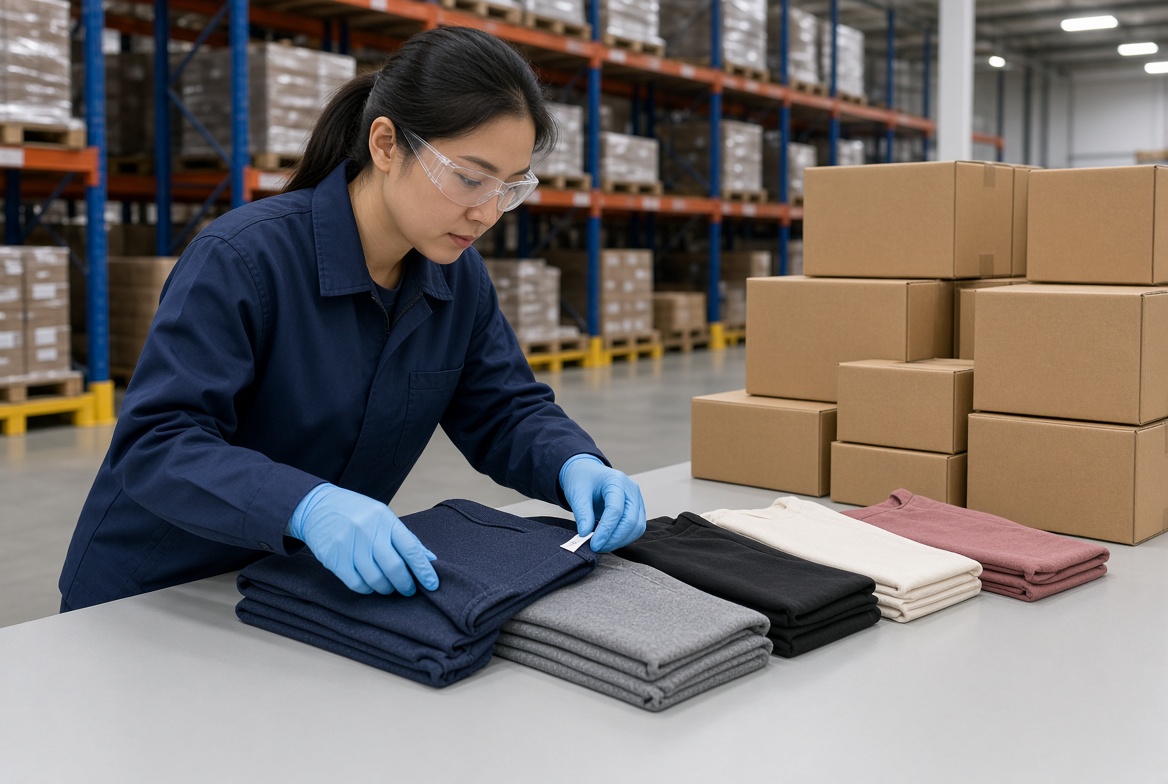
International apparel buyers need more than freight capacity. They need a China-based partner that understands the gap between a wholesale market purchase and a successful international delivery.
With 15 years of international logistics experience, GB FREIGHT AGENCY CO., LTD. provides cost-effective transport solutions for businesses shipping from China worldwide. We help coordinate the moving parts that often create risk for clothing importers: several suppliers, scattered pickup locations, different production dates, mixed cartons, export formalities, transport selection, customs coordination, and delivery scheduling.
Whether you are buying a trial order from Guangzhou, building a boutique collection in Shenzhen, or consolidating bulk orders from several Chinese suppliers, we can create a shipping plan based on your cargo, destination, deadline, and budget.
Send us your supplier addresses, carton details, total volume or weight, destination, and preferred delivery date to receive a tailored shipping solution from China to your warehouse.
Baima, Shisanhang, and Qipu Road can be easier starting points for buyers who want to compare products in a relatively structured market setting. The best choice still depends on your target price level, product category, and planned order quantity.
Shahe in Guangzhou and Changshu Garment City are commonly used by buyers seeking low-cost apparel and large-volume sourcing. Lower price does not always mean lower landed cost, so buyers should also evaluate quality, minimum order quantities, packaging, and shipping expenses.
Yes. A freight forwarder can arrange pickup from multiple suppliers, bring goods to a consolidation warehouse, check carton information, and ship the combined order internationally. This often reduces duplicated freight charges and simplifies destination receiving.
Transit time depends on the shipping method, origin city, destination country, customs processing, and final delivery location. Air freight is generally used for urgent cargo, while sea freight is usually more cost-effective for larger shipments. Ask for a route-specific estimate before confirming your order.
Some suppliers can provide documentation, but capability varies widely. Buyers should confirm document requirements early and work with an experienced freight partner to coordinate export handling and international shipping.
Provide supplier addresses, contact details, cargo-ready dates, carton count, dimensions, gross weight, product description, total commercial value, destination address, and required delivery date. If you have multiple suppliers, share the details for each one.
Yes. At minimum, check carton quantity, product style, color, size range, labeling, outer-carton condition, and obvious visible defects. For higher-value or brand-sensitive orders, consider a more detailed pre-shipment inspection before the goods are released for export.
- [U.S. International Trade Administration: European Union labeling and marking requirements]
- [European Commission: Regulation (EU) No 1007/2011 on textile fibre names and related labelling]
- [World Trade Organization: Textiles and clothing trade information]
- [Original market coverage: Wholesale Clothing China 2026 | Best Markets, Prices & MOQs]


