
Views: 277 Author: GB FREIGHT Publish Time: 2026-08-23 Origin: Site


Content Menu
● What Does an Amazon FBA Freight Forwarder Do?
● Why FBA Sellers Need Specialized China Logistics Support
● GB FREIGHT: China-to-Global Freight Solutions
● Sea, Air, Rail, or LCL: Which Option Fits Your Shipment?
>> Sea Freight for Planned Inventory
>> Air Freight for Urgent Replenishment
>> Railway Transportation for Selected China–Europe Routes
>> LCL for Flexible Smaller Shipments
● A Practical FBA Shipping Workflow from China
>> 1. Confirm Product and Destination Details
>> 2. Create the Inbound Shipment Plan
>> 3. Arrange Supplier Pickup or Warehouse Delivery
>> 4. Check Cartons, Labels, and Documents
>> 5. Select the Transport Plan
>> 6. Complete Export and Import Procedures
>> 7. Deliver to the Final Location
● How to Evaluate a China Freight Forwarder
● Build a Replenishment Plan, Not a Single Shipment
● Get a Freight Plan for Your Amazon FBA Shipment
● FAQ
>> What is the best shipping method from China to Amazon FBA?
>> Can a freight forwarder collect goods from multiple Chinese suppliers?
>> Is LCL shipping suitable for Amazon FBA sellers?
>> Who is responsible for FBA product labels and preparation?
>> How can I avoid unexpected freight charges?
>> How early should I book freight from China?
>> Can GB FREIGHT arrange door-to-door delivery?
Shipping inventory from China to Amazon fulfillment centers is not simply a matter of booking a container or an air shipment. For Amazon sellers, the right Amazon FBA freight forwarder from China must coordinate suppliers, verify cargo readiness, manage export formalities, prepare shipments for inbound delivery, and arrange final-mile delivery to the assigned fulfillment center.
For more than 15 years, GB FREIGHT AGENCY CO., LTD. has supported businesses shipping from China to Europe, North America, South America, Southeast Asia, the Middle East, Africa, and Oceania. We provide warehousing, LCL consolidation, and door-to-door delivery—designed around the cargo, destination, deadline, and budget of each shipper.
This guide explains what makes a reliable China freight forwarder for Amazon FBA, how to compare shipping methods, and how to reduce the avoidable risks that lead to refused deliveries, unexpected charges, or stockouts.
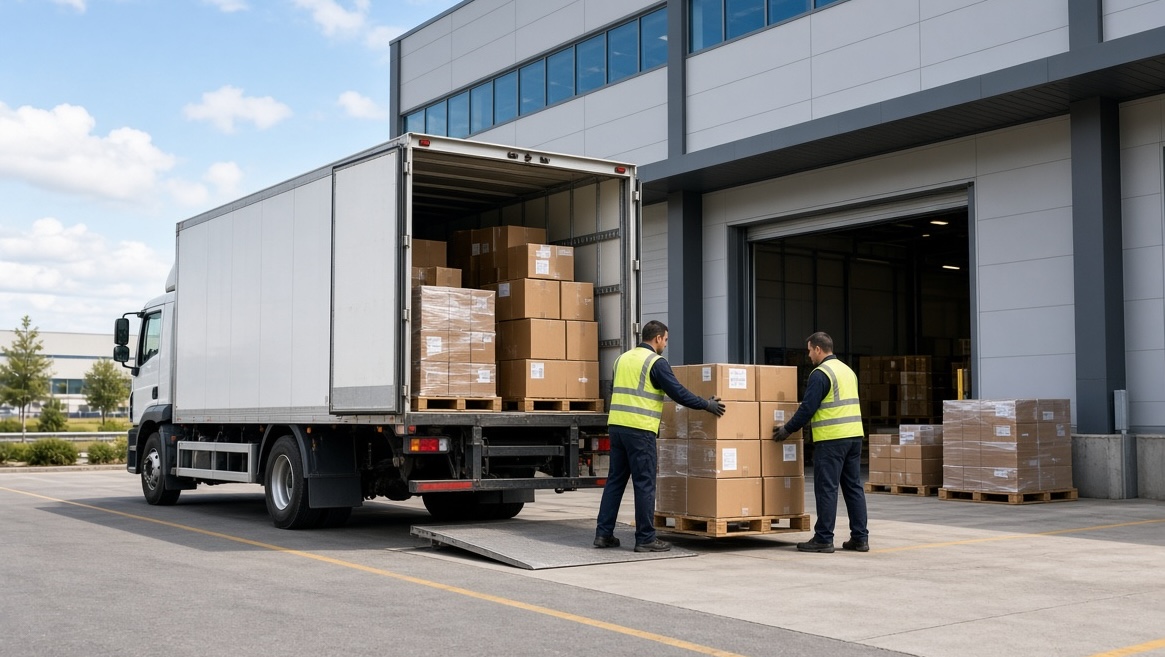
An Amazon FBA freight forwarder is a logistics partner that moves inventory from a Chinese supplier or warehouse to an Amazon fulfillment center. The scope may include supplier communication, cargo collection, consolidation, export customs declaration, international transportation, import clearance, appointment coordination, and final delivery.
For growing brands, the real value is not only transportation. It is shipment control across multiple handoffs.
A professional forwarder should be able to coordinate:
- Pickup from one or several suppliers in China
- Cargo receiving, counting, storage, and consolidation
- Carton checks and basic shipment preparation
- Export declaration and shipping documents
- Sea freight, air freight, rail freight, or multimodal transport
- Import customs clearance where agreed
- Delivery scheduling to the designated Amazon warehouse
- Shipment tracking and exception communication
Amazon sellers often work with multiple factories, changing inbound locations, and strict delivery requirements. A fragmented shipping process can create unnecessary delays. A single accountable logistics team can simplify communication and make the shipment easier to monitor.
A general freight provider may move cargo internationally, but FBA inbound shipping requires closer attention to delivery details. The shipment must be prepared for the correct receiving destination, with readable carton labels, compliant packaging, accurate shipment data, and a delivery plan appropriate for the assigned warehouse.
Amazon's US prep and item-labeling service ended on January 1, 2026. This means sellers are responsible for ensuring required preparation and product labeling are completed before goods reach the fulfillment network. That change makes supplier coordination, warehouse preparation, and pre-dispatch checks more important than ever.
An experienced forwarder helps identify issues before the cargo leaves China, such as:
- Incorrect or missing FNSKU labels
- Carton labels that do not match the shipping plan
- Mixed products packed without clear identification
- Damaged cartons or unsuitable outer packaging
- Incomplete commercial invoices or packing lists
- Cargo delivered to the wrong warehouse or without a valid appointment
- Unclear allocation of duties, taxes, destination charges, or final-mile costs
The objective is straightforward: receive cargo correctly, transport it predictably, and deliver it in a condition Amazon can accept.
GB FREIGHT AGENCY CO., LTD. provides flexible freight forwarding solutions for exporters, importers, eCommerce sellers, and businesses sourcing from China. We build shipping plans around commercial priorities instead of forcing every shipment into a single transport model.
| Service | Best suited for | Main advantage |
|---|---|---|
| Sea freight | Large-volume or non-urgent cargo | Strong cost efficiency |
| LCL consolidation | Smaller shipments that do not fill a container | Share container space and cost |
| Air freight | Urgent replenishment or high-value goods | Faster transit |
| Railway transportation | China–Europe cargo with balanced timing and cost needs | Alternative to air and ocean on applicable lanes |
| Customs clearance | Importers needing document and customs coordination | Better process visibility |
| Warehousing | Multi-supplier orders and staged dispatch | Consolidation and cargo control |
| Door-to-door delivery | Buyers seeking one coordinated shipment | Reduced handoffs |
Our team can collect cargo from suppliers, consolidate it at a warehouse, coordinate export processes, arrange international transport, and support delivery to the final destination. For FBA sellers, this can mean fewer separate vendors and a clearer chain of responsibility.
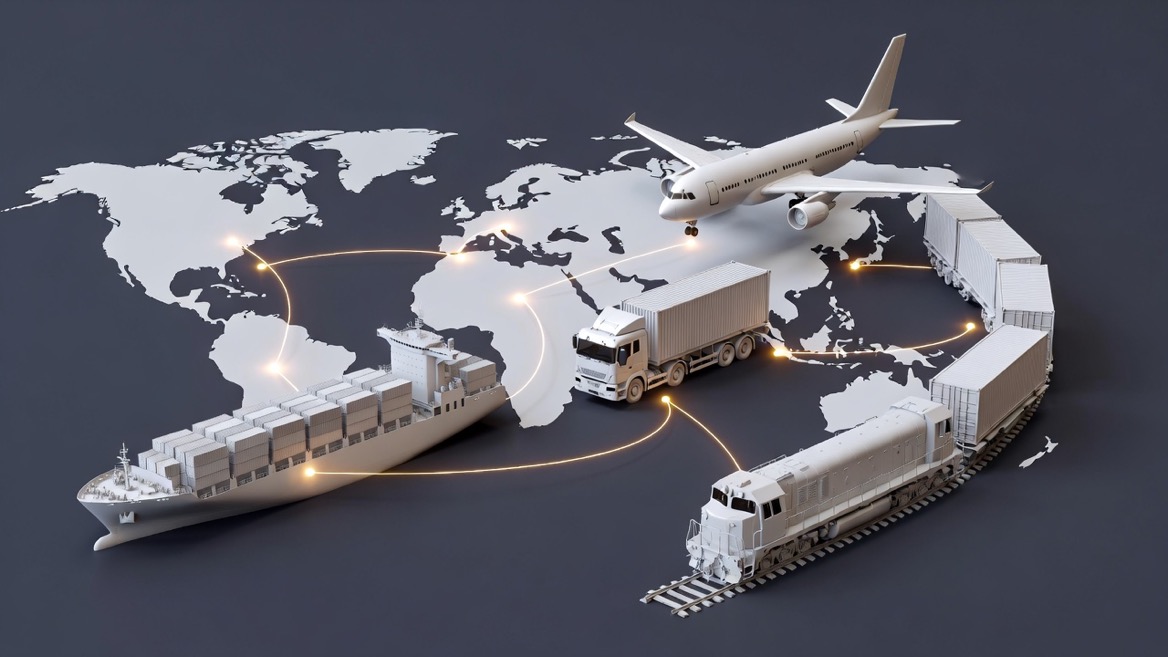
The best shipping method depends on inventory urgency, cargo volume, product value, destination, and cash-flow priorities. It should never be selected on rate alone.
Sea freight is usually the most economical choice for larger shipments. Full-container-load shipping is often appropriate when cargo volume is sufficient to use most or all of a container. LCL is suitable when the shipment is too small for a full container but still does not justify air freight.
Use sea freight when:
- Your inventory plan allows for longer transit and buffer time
- You are shipping pallets, cartons, or bulky products
- Freight cost per unit matters more than speed
- You can consolidate multiple supplier orders before dispatch
Global maritime conditions can change quickly. UN Trade and Development reported that seaborne trade grew 2.2% in 2024 and was expected to grow only 0.5% in 2025 amid trade disruptions, rerouted services, and higher operating pressures. That is why sellers should avoid planning replenishment around a single estimated arrival date.
Air freight is the better choice when stock is running low, a launch date is fixed, or a product has a high value relative to its weight.
Use air freight when:
- You need a fast replenishment shipment
- A stockout could cost more than the higher freight rate
- The cargo is compact, lightweight, or time-sensitive
- You are testing a new product with a controlled quantity
Air freight is not always an all-or-nothing decision. Many experienced sellers use a split strategy: send a smaller urgent quantity by air, while the bulk shipment moves by sea.
Rail freight can be a practical middle option for certain China–Europe trade lanes. It may offer a different balance between transit time and cost than air or ocean freight.
It is worth considering when:
- The final market is in Europe
- The cargo is suitable for rail transport
- Your timeline is tighter than a typical ocean schedule
- Air freight is beyond the acceptable budget
Availability, routing, border procedures, and service conditions vary. A route should be evaluated shipment by shipment rather than treated as a universal solution.
LCL, or Less than Container Load, allows several shippers' cargo to share space in one container. It is useful for businesses that need to move freight regularly but do not have enough volume for a full container.
Before choosing LCL, ask for a quotation that clearly identifies:
- Origin charges
- Freight charges
- Destination charges
- Customs-related fees
- Delivery charges
- Any handling, inspection, storage, or palletization fees
A low ocean freight figure can be misleading if destination and delivery costs are not clearly stated.
A controlled workflow prevents last-minute confusion. The following process is a useful model for shipping inventory from Chinese suppliers to Amazon.
Provide product descriptions, carton count, dimensions, gross weight, supplier location, destination country, and Amazon warehouse information. If the shipment includes regulated goods, batteries, liquids, branded products, or special materials, disclose this at the beginning.
Create the shipment plan in Seller Central and confirm the assigned fulfillment center or distribution route. The ship-from address should accurately reflect the supplier or warehouse sending the goods. FBA box ID labels and product labels must be generated and applied as required.
GB FREIGHT can coordinate cargo collection from your supplier or receive goods at a designated warehouse. For multi-supplier orders, consolidation can reduce duplicated handling and help you inspect the full shipment before dispatch.
Before cargo is shipped, verify that carton counts, measurements, product labels, box labels, invoices, and packing lists match the shipment plan. Barcode readability matters. Every required label should remain visible and scannable after packaging.
Choose sea freight, air freight, railway transportation, LCL, or a combination of methods. The decision should account for inventory coverage—not only the quoted transit time.
The forwarder coordinates export documentation and agreed customs procedures. Importers should confirm who acts as importer of record, how duties and taxes are handled, and which party is responsible for destination-side compliance.
For deliveries to an Amazon facility, the receiving appointment, pallet requirements, delivery method, and cargo condition must be aligned before the truck arrives. For other destinations, door-to-door delivery can be arranged to a warehouse, distribution center, or business address.
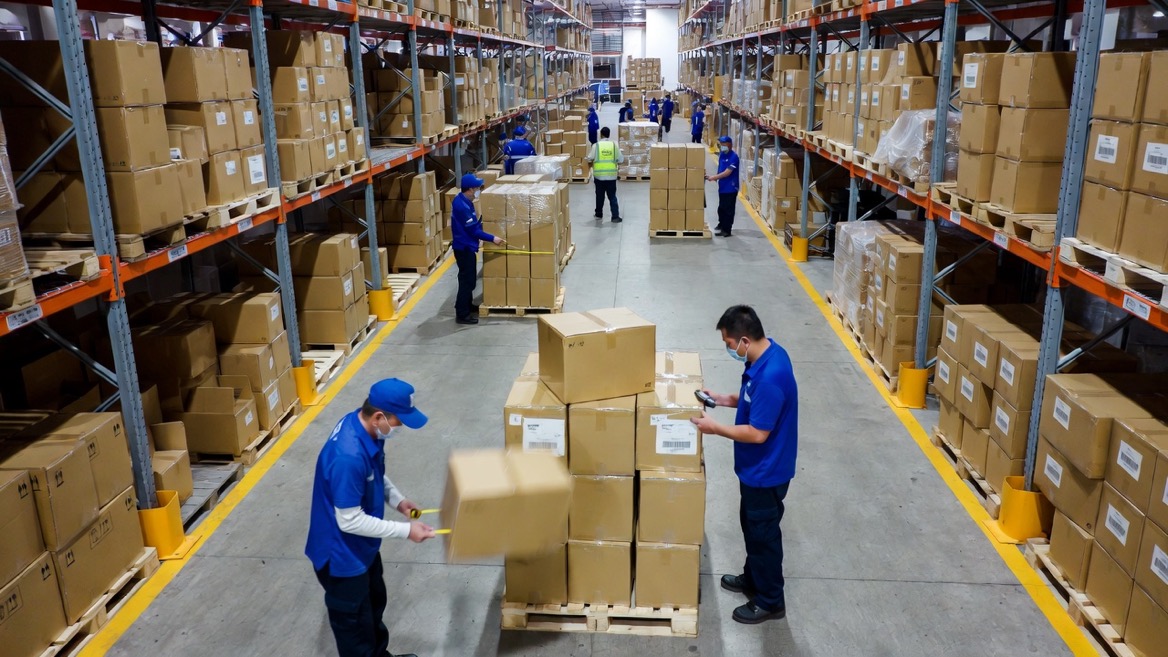
Price matters, but the cheapest quote is not automatically the lowest-cost solution. Delays, relabeling, storage, delivery failures, and poor communication can quickly erase a small freight saving.
Use the following evaluation checklist before appointing a provider.
Ask whether the forwarder can manage the actual route and shipment requirements—not merely quote them.
- Can they collect goods from your suppliers?
- Do they provide warehouse consolidation?
- Can they handle LCL, FCL, air, rail, and door-to-door options?
- Do they understand Amazon inbound delivery procedures?
- Can they provide shipment milestones and exception updates?
- Do they support customs clearance for the destination under the agreed service model?
Request a written quotation that separates major cost categories. You should know what is included, what is excluded, and what could change.
Important questions include:
1. Is the quote based on actual weight, volumetric weight, chargeable weight, or container usage?
2. Are pickup, export documentation, customs, delivery, and appointment costs included?
3. Are duties and taxes included, excluded, or estimated?
4. What storage period is included at the warehouse?
5. What happens if Amazon changes the delivery location or rejects a delivery?
6. Which surcharges may apply after booking?
Reliable communication is a commercial advantage. You should receive a clear contact person, a realistic schedule, document requirements, and prompt notice when a shipment changes.
Customer feedback often reflects this point. Importers tend to value logistics providers that answer clearly, explain cost items before cargo moves, and provide proactive updates when there is a disruption. The best service is not a promise of zero delays; it is fast, accountable action when a delay occurs.
Many inventory problems begin long before a container reaches a port. The root issue is often relying on one delivery date without enough buffer.
A stronger approach is to plan inventory in layers:
- Keep a safety-stock buffer for your highest-velocity products
- Use sea freight for predictable bulk replenishment
- Reserve air freight for limited urgent quantities
- Consolidate supplier orders to reduce repeated handling
- Review sales velocity before booking—not only after stock becomes critical
- Keep product, carton, and shipping-plan data consistent across suppliers and warehouses
For example, a seller expecting 90 days of stock coverage may choose to dispatch the main replenishment by sea while shipping two to four weeks of priority stock by air. This may cost more than sea freight alone, but it can reduce the commercial risk of losing sales because inventory arrives too late.
Whether you are sending a small LCL shipment, urgent air cargo, regular sea freight, or multi-supplier inventory, GB FREIGHT can help you build a practical route from China to your destination.
Send us your supplier location, product details, carton dimensions, total weight, destination country, and preferred delivery deadline. Our team will recommend a transport option that balances cost, transit time, cargo handling, and delivery requirements.
There is no single best method for every seller. Sea freight is usually better for larger, planned shipments; air freight is suitable for urgent inventory; LCL helps with smaller cargo volumes; and rail may be useful for selected China–Europe routes.
Yes. A forwarder can collect cargo from multiple suppliers, receive it at a warehouse, consolidate the shipment, and prepare it for international transport. This is especially useful when one Amazon shipment includes products from several factories.
Yes, LCL can work well for smaller FBA shipments that do not require a full container. However, sellers should confirm the complete cost structure, including destination handling, customs-related charges, and final delivery.
The seller is responsible for making sure inventory is prepared and labeled according to current Amazon requirements. In the US, Amazon ended FBA prep and item-labeling services on January 1, 2026, so sellers need to arrange these tasks through suppliers, warehouses, or service providers before delivery.
Request an itemized quotation and ask which charges are included, excluded, estimated, or variable. Confirm pickup, documentation, customs, duties, destination charges, appointment fees, and delivery charges before booking.
Book as early as possible once cargo readiness, destination details, and shipment requirements are confirmed. Early planning provides more routing options and creates time to solve labeling, documentation, or supplier coordination issues before departure.
Yes. GB FREIGHT provides door-to-door delivery solutions from China to global destinations, coordinated with sea, air, rail, LCL, customs clearance, and warehousing services according to shipment requirements.
1. [Amazon Seller Central — FBA Label Service]
2. [Amazon Seller Central Forum — Direct Shipping from Supplier Freight Forwarder]
3. [UN Trade and Development — Maritime Trade Under Pressure: Growth Set to Stall in 2025]
4. [Amazon Selling Partner Blog — FBA Prep, Packaging, and Labeling]
5. [Original Article — Top Freight Forwarders for Amazon FBA Shipping from China]


