
Views: 290 Author: GB Freight-Michelle Publish Time: 2025-12-03 Origin: Site


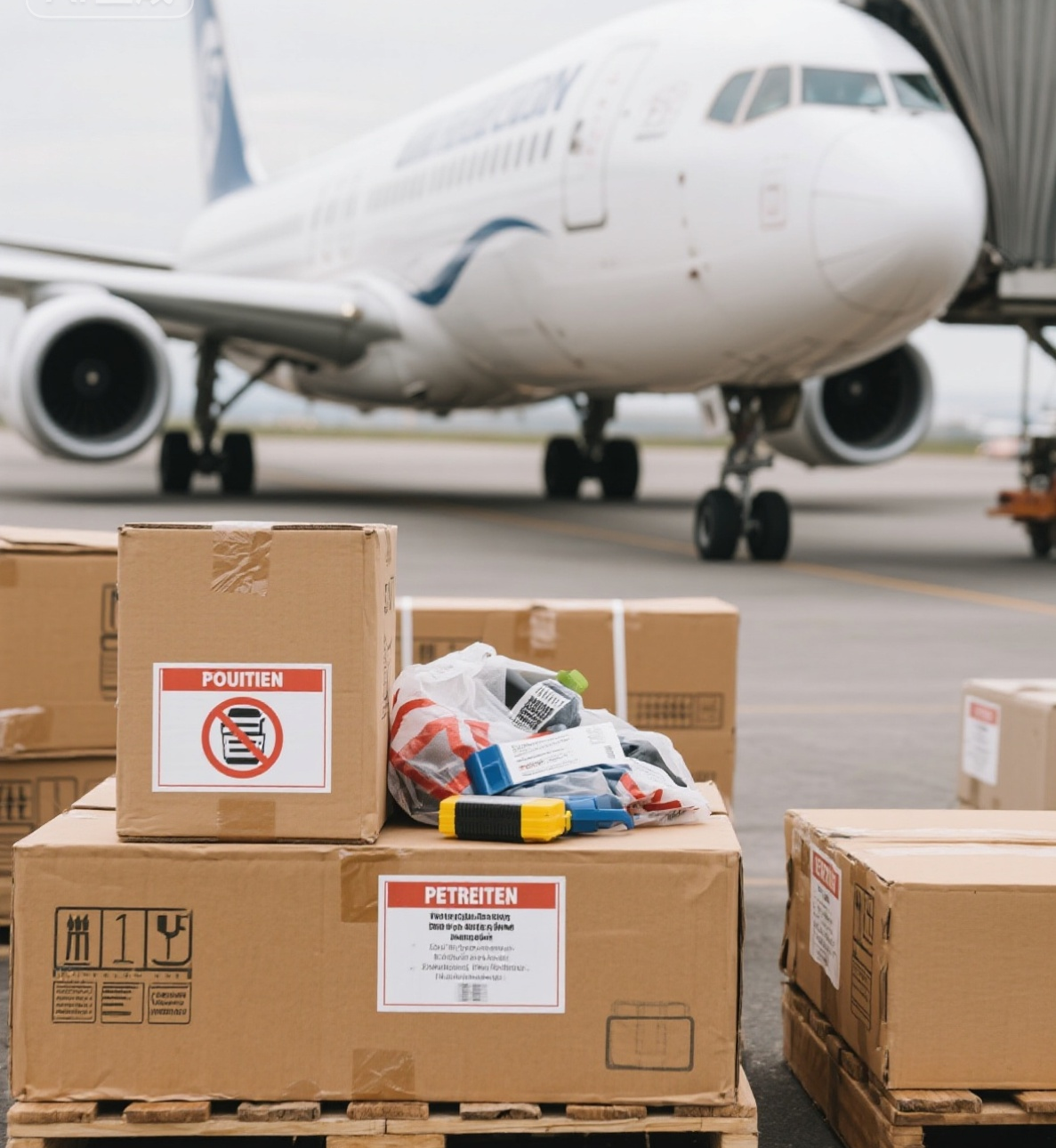
When businesses rely on air freight to move goods quickly and efficiently, safety regulations become extremely important. Air transport follows strict rules to protect passengers, crew, aircraft, and the entire supply chain. Therefore, understanding air freight prohibited items and air cargo shipping restricted items is essential before arranging any shipment. In this guide, I will explain what goods cannot be transported by air, how to identify restricted items, what penalties apply for violations, and the difference between hazardous goods and dangerous goods.
Certain categories of goods are strictly prohibited from air freight due to the high risk they pose during air transport. These items are usually dangerous, unstable, or highly sensitive. Common examples include:
Flammable liquids, gases, and solids
Explosives and ammunition
Radioactive materials
Corrosive substances
Toxic and infectious materials
Magnetized materials
Lithium batteries
Perishable goods requiring strict temperature control
Because these goods may explode, leak, burn, or interfere with aircraft systems, they fall under prohibited air cargo shipping categories and cannot be moved unless specific exceptions apply.

In addition to completely prohibited goods, some items are classified as restricted air cargo or hazardous materials. These items require special packaging, labeling, documentation, and handling. IATA (International Air Transport Association) sets detailed rules to ensure safe air freight shipping.
Here are common examples of restricted items:
Fireworks, flares, dynamite, ammunition.
Aerosols, compressed gases, propane, butane.
Gasoline, alcohol, acetone, certain paints.
Matches, lighters, some powders.
Chemicals that enhance combustion or cause fires.
Pesticides, certain chemicals, biological samples.
Medical isotopes, laboratory materials.
Acids, alkalis, industrial cleaning agents.
Lithium-ion and lithium-metal batteries due to fire risks.
Items that can disrupt aircraft navigation systems.
Not always prohibited, but require strict control.
These items are not necessarily banned, but they must comply with air cargo shipping regulations to be transported safely.
Before arranging air freight shipping, you must confirm whether your goods fall under restricted or prohibited categories. Fortunately, there are clear ways to check:
 Ask your freight forwarder
Professionals like GB INTL FREIGHT can identify dangerous goods and help you classify your shipment.
Check shipping carrier guidelinesAirlines and carriers publish lists of prohibited and restricted air cargo items.
Consult IATA regulationsIATA’s Dangerous Goods Regulations (DGR) is the global standard for identifying hazardous materials in air transport.
By verifying early, you avoid delays, penalties, or shipment rejection.
Violating air freight regulations can lead to serious consequences. Since safety is the top priority, authorities enforce strict penalties, including:
Shippers may face heavy fines from both regulators and shipping carriers. Amounts vary depending on the violation but can be extremely costly.
In severe cases, shippers may face legal action, civil lawsuits, or even criminal charges.
Prohibited or undeclared dangerous goods may be seized permanently, resulting in financial loss.
Repeat violations or intentional misconduct may result in carriers banning future shipments from the shipper.
Because these penalties can significantly affect a business, compliance with air cargo shipping rules is essential.
Although many people use both terms interchangeably, there is a clear distinction:
These are substances that pose risks to people, property, or the environment during use, storage, handling, or disposal.
Examples: chemicals, gases, certain liquids.
These are hazardous goods specifically regulated during transportation, especially under air, sea, and land transport laws.
Examples: lithium batteries, radioactive materials, explosives.
In short: Hazardous goods = potentially dangerous substances Dangerous goods = hazardous goods regulated during transport
Understanding this difference helps ensure proper classification under air freight shipping regulations.
Shipping goods via air freight provides unmatched speed and efficiency. However, it also requires strict compliance with safety rules, especially when dealing with dangerous or hazardous materials. By understanding what items are prohibited or restricted, following IATA regulations, and working with qualified freight forwarders, businesses can avoid penalties and ensure safe air cargo movement.
If you want expert assistance with air cargo shipping, dangerous goods classification, packaging, or documentation, our team is ready to help.
Contact us today—and follow us on LinkedIn and Facebook for more air freight updates and global logistics insights.
If you have any question Feel free to contact us!
Follow us on:
Facebook: https://www.facebook.com/profile.php?id=61567280547251
Instagram: https://www.instagram.com/gb_intlfreightagency/
Linkedin: https://www.linkedin.com/company/gb-intl-freight-agency-co-ltd/?viewAsMember=true


