
Views: 283 Author: GB FREIGHT Publish Time: 2026-07-31 Origin: Site


Content Menu
>> Step 1: Confirm Cargo Details
>> Step 2: Arrange Pickup and Export Handling
>> Step 3: Move by Air, Sea, or Rail
>> Step 4: Handle Import Clearance
>> Step 5: Deliver to the Final Address
● Customs and Compliance Risks
>> Products That Need Extra Care
● How to Choose a Reliable Partner
>> What Importers Should Do Now
● Why GB FREIGHT AGENCY CO., LTD.
● FAQ
>> 1. What is DDP shipping from China?
>> 2. Is DDP more expensive than other shipping terms?
>> 3. Which cargo is best for DDP?
>> 4. How long does DDP shipping take?
>> 5. What documents are needed for DDP?
>> 6. Why choose a freight forwarder instead of booking directly?
When businesses need a simple, predictable way to move goods internationally, DDP shipping from China is often the most practical option. It combines pickup, export handling, international freight, import clearance, duties, taxes, and final delivery into one end-to-end service.

DDP stands for Delivered Duty Paid, which means the shipper arranges and pays for the shipment all the way to the buyer's destination, including customs-related charges where applicable. In practice, this is a door-to-door solution designed to reduce complexity for importers who want one clear landed cost and fewer operational steps.
For companies importing from China, DDP is attractive because it lowers the burden on the buyer and simplifies planning. Instead of coordinating multiple parties, the buyer receives a shipment that is already handled through export, transit, clearance, and delivery.
Many buyers prefer this model because it turns a complicated international process into a single service flow. For importers, especially small and mid-sized businesses, the biggest advantage is predictability: one quote, one route, one responsible logistics partner.
The main business benefits are:
- Clear landed cost.
- Less customs work for the buyer.
- Faster planning for inventory and sales.
- Simpler communication across the supply chain.
- Better delivery visibility from origin to destination.
For export-focused suppliers in China, DDP can also strengthen customer trust because it removes friction from the buying process.
A typical DDP shipment from China follows a structured process that starts at the supplier's warehouse and ends at the buyer's door. A reliable freight forwarder coordinates pickup, export documents, cargo movement, clearance, and last-mile delivery.
Before booking, the shipper needs full cargo information, including product description, quantity, weight, dimensions, destination, and delivery address. These details are essential for route selection, cost calculation, and customs planning.
The cargo is collected from the supplier and transferred to a consolidation warehouse or directly to port depending on the shipping mode. Export documents such as invoice, packing list, and product classification details must be accurate to avoid delays.
DDP can be arranged by air freight, sea freight, railway transportation, or mixed transport depending on cargo urgency and budget. Air is faster, sea is more economical for larger volumes, and rail can be a strong option for certain Eurasian routes.
The goods are cleared in the destination country based on the agreed service scope and local compliance requirements. This step is where experience matters most, because document accuracy, product category, and duty treatment directly affect speed and cost.
After clearance, the cargo is delivered to the buyer's warehouse, office, fulfillment center, or residence depending on the shipment type. This is what makes DDP especially valuable for buyers who want a true end-to-end service.
Different cargo types need different transport strategies. The table below helps explain when each option is most suitable.
| Mode | Typical Use | Strength | Limitation |
|---|---|---|---|
| Air freight | Urgent, valuable, or lightweight goods | Fast transit | Higher cost |
| Sea freight | Bulk cargo, LCL, and heavier shipments | Best cost efficiency | Longer transit time |
| Rail freight | Select Eurasian routes | Balanced cost and speed | Limited route coverage |
| Door-to-door delivery | Buyers wanting a fully managed service | Simplest for importer | Requires strong coordination |
A practical example: if a buyer needs samples, spare parts, or fast-moving products, air freight is often the best choice. If the order is large and timing is flexible, sea freight usually delivers better overall value.
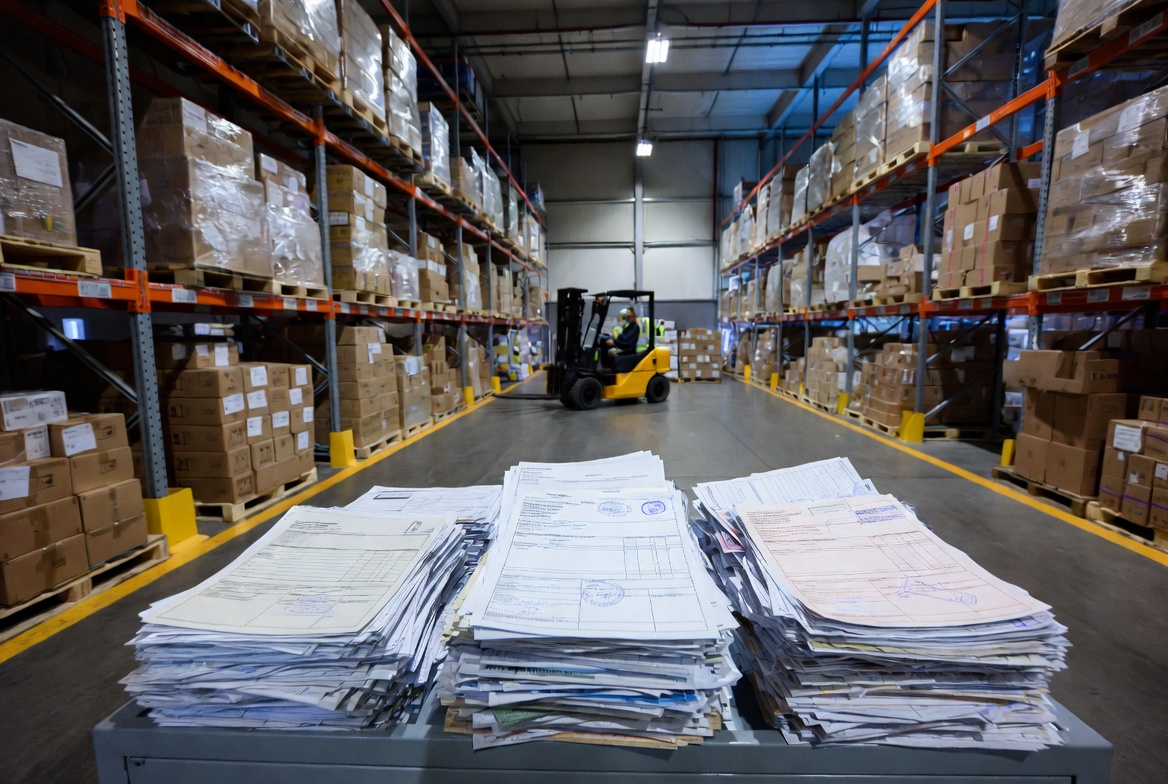
DDP pricing is not just freight cost. A responsible quotation should reflect the full landed cost structure, including origin handling, international transport, customs-related fees, destination delivery, and any route-specific surcharges.
- Pickup from supplier.
- Export customs handling.
- Freight charges.
- Destination clearance.
- Duties and taxes where applicable.
- Final-mile delivery.
- Insurance and special handling if needed.
In 2026, shipping costs remain sensitive to route, season, cargo type, and capacity conditions. Ocean freight is still the lowest-cost option for many bulk shipments, while air freight remains the fastest but most expensive choice.
- Peak season pressure.
- Fuel surcharges.
- Remote destination delivery.
- Product classification.
- Special documentation needs.
- Cargo size, weight, and packaging efficiency.
For this reason, a low quote is not always a good quote. The best partner is the one that explains cost structure clearly and avoids surprise charges later.
DDP is convenient, but it also demands careful compliance execution. Customs authorities in major destination markets have become more focused on classification accuracy, declared value, origin verification, and product safety compliance.
If documentation is inconsistent or the HS code is incorrect, shipments may face delays, inspections, penalties, or refusal of entry. That is why DDP should always be handled by a logistics provider with real customs experience, not just a rate-based agent.
- Lithium batteries.
- Electronics.
- Medical products.
- Cosmetics.
- Food and supplements.
- Chemicals.
- Items with special labeling or testing requirements.
These categories may require extra certificates, technical documents, or pre-shipment checks before departure.
DDP works especially well for goods that benefit from predictable delivery and simplified buyer handling. It is often used for e-commerce goods, industrial parts, and time-sensitive products.
- Consumer electronics.
- Spare parts.
- Small machinery components.
- Apparel and accessories.
- Cosmetics and personal care products.
- Online retail parcels.
- Samples and promotional goods.
- Very low-value bulk cargo.
- Oversized or overweight items.
- Highly restricted products.
- Shipments with unclear compliance status.
If duties and handling charges are too high relative to product value, another trade term may be more efficient.
A strong DDP partner should do more than move freight. They should manage compliance, route planning, document control, and destination delivery with consistent communication.
Use the checklist below when evaluating a provider:
| Evaluation Point | What to Look For |
|---|---|
| Customs capability | Proven export and import clearance experience |
| Pricing clarity | One complete quote with no hidden fees |
| Route coverage | Air, sea, rail, and door-to-door options |
| Tracking | Real-time shipment visibility |
| Communication | Fast, bilingual response and clear updates |
| Risk control | Insurance and claims handling process |
A good partner protects both the shipment and the buyer experience. A weak one may look cheaper at the beginning but create costly problems later.
Shipping strategy in 2026 is shaped by capacity shifts, customs scrutiny, and changing trade policy conditions. That makes route planning and document quality more important than ever.
A useful trend for importers is the growing preference for managed landed-cost solutions, especially for cross-border e-commerce and B2B replenishment. More businesses now want fixed delivery prices, faster visibility, and fewer handoffs across the logistics chain.
- Book earlier during busy seasons.
- Prepare documents before cargo pickup.
- Confirm product classification in advance.
- Use realistic transit expectations.
- Ask for a complete landed-cost quote before confirming shipment.
These steps reduce disruption and improve cost control across both small and large shipments.
GB FREIGHT AGENCY CO., LTD. offers a full-service logistics solution for businesses shipping from China to global destinations. With 15 years of international freight experience, the company supports sea freight, air freight, railway transportation, customs clearance, warehousing, LCL consolidation, and door-to-door delivery.
That combination is valuable because one partner can coordinate the whole chain: supplier pickup, export handling, international transport, customs work, and final delivery. For companies that want a practical, cost-efficient shipping solution from China to Europe, North America, South America, Southeast Asia, the Middle East, Africa, or Oceania, this integrated model reduces complexity and saves time.
If your priority is simplicity, cost certainty, and fewer logistics headaches, DDP shipping from China is often the best-fit solution. If your priority is lowest possible freight cost only, then other arrangements may be worth comparing first.
The smartest approach is to match the cargo type, destination, urgency, and compliance level with the right transport mode. A reliable freight forwarder can help you do that while protecting your margins and delivery schedule.
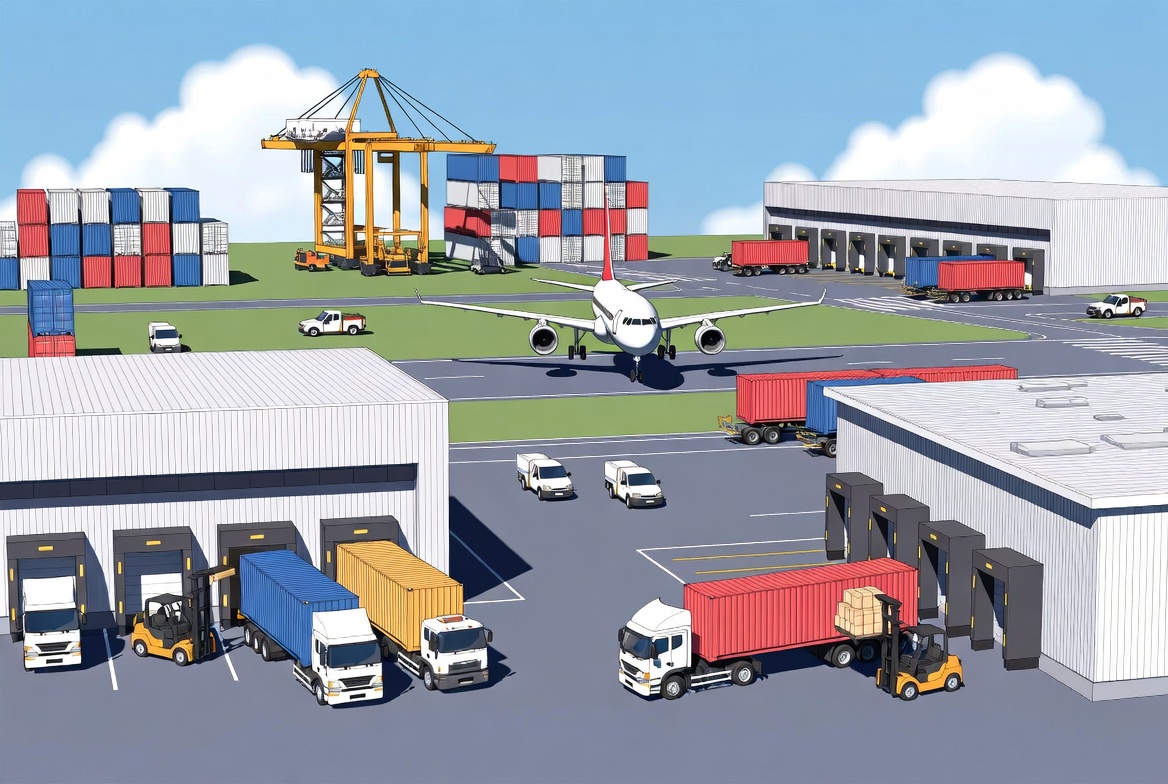
DDP shipping means the seller or freight partner manages transport, customs handling, duties, taxes, and final delivery to the buyer's location.
It can be higher in headline price, but it often saves time and reduces hidden expenses because the quote includes more of the total landed cost.
DDP is usually best for e-commerce goods, spare parts, electronics, samples, and products that need simple door-to-door delivery.
Transit time depends on the transport mode and destination. Air is generally fastest, sea is slower but cheaper, and rail is a mid-range option for select routes.
At minimum, a commercial invoice, packing list, product details, and correct cargo classification are usually required. Regulated goods may need additional certificates or compliance documents.
A freight forwarder with DDP experience can manage route planning, clearance, delivery, and compliance in one workflow, reducing mistakes and unexpected delays.
- [DDP Shipping From China | Cost, Time & Door to Door (2026)]
- [DDP from China to the USA - Advantages and Risks]
- [Air Freight Rates from China to World (2026 Monthly ...)]
- [China Shipping Cost 2026 Forecast (20GP & 40HQ Guide)]
- [Section 301 – China Technology Transfer]
- [USTR Extends Exclusions from China Section 301 Tariffs Related to Forced ...]


