
Views: 262 Author: GB FREIGHT Publish Time: 2026-08-05 Origin: Site


Content Menu
● Why Sea Freight from China Still Matters
● 2026 Sea Freight Cost Overview
● How Our Sea Freight Service Works
● Why Working With an Experienced Forwarder Helps
● FAQ
Sea freight from China is one of the most practical ways to move bulky, heavy, or non-urgent cargo across international markets. For importers shipping to Europe, North America, South America, Southeast Asia, the Middle East, Africa, or Oceania, the real value is not just lower cost, but also the ability to scale shipments with predictable planning and wider container options.
For many businesses, ocean freight remains the most cost-efficient option when shipment size is large enough to justify the lead time. It is especially useful for wholesale buyers, manufacturers, eCommerce brands, and distributors that need to move cartons, pallets, machinery, furniture, electronics, or mixed inventory at scale.
Another reason sea freight remains so important is route flexibility. China's major export ports connect to almost every major trade lane, which makes it easier to match cargo type, destination, and budget with a practical shipping plan.

Below is a practical cost snapshot based on the current published guide and market index context. Actual quotes still depend on cargo details, but these ranges give importers a useful starting point.
| Shipment Type | Typical 2026 Range |
|---|---|
| 20ft container to Asia | $1,500–$2,100 |
| 20ft container to North America | $2,000–$2,800 |
| 40ft container to USA, Canada, or Mexico | $2,500–$3,400 |
| LCL shipping per CBM | $60–$280 |
Published freight index data also shows that trade lanes remain highly differentiated, with China–North America, China–Europe, China–South America, China–Southeast Asia, and China–Middle East all pricing differently based on market conditions.
The first decision most shippers need to make is whether to choose FCL or LCL. FCL means you book a full container for your goods only, while LCL means you share container space with other shippers and pay by volume.
FCL is generally the better fit for larger, heavier, or higher-value cargo because it offers more control, fewer handling points, and more predictable transit. LCL works better for smaller shipments because you only pay for the space you use.
| Factor | FCL | LCL |
|---|---|---|
| Best shipment size | Large volumes | Small to medium volumes |
| Cost model | Flat container rate | Charged by CBM |
| Handling | Fewer touchpoints | More consolidation steps |
| Transit predictability | Stronger | Slightly less predictable |
| Best for | Bulk cargo, fragile cargo, regular replenishment | Samples, pilot orders, lower-volume inventory |
A useful rule of thumb is that FCL often becomes more economical around 12–15 CBM and above, depending on route and destination charges.
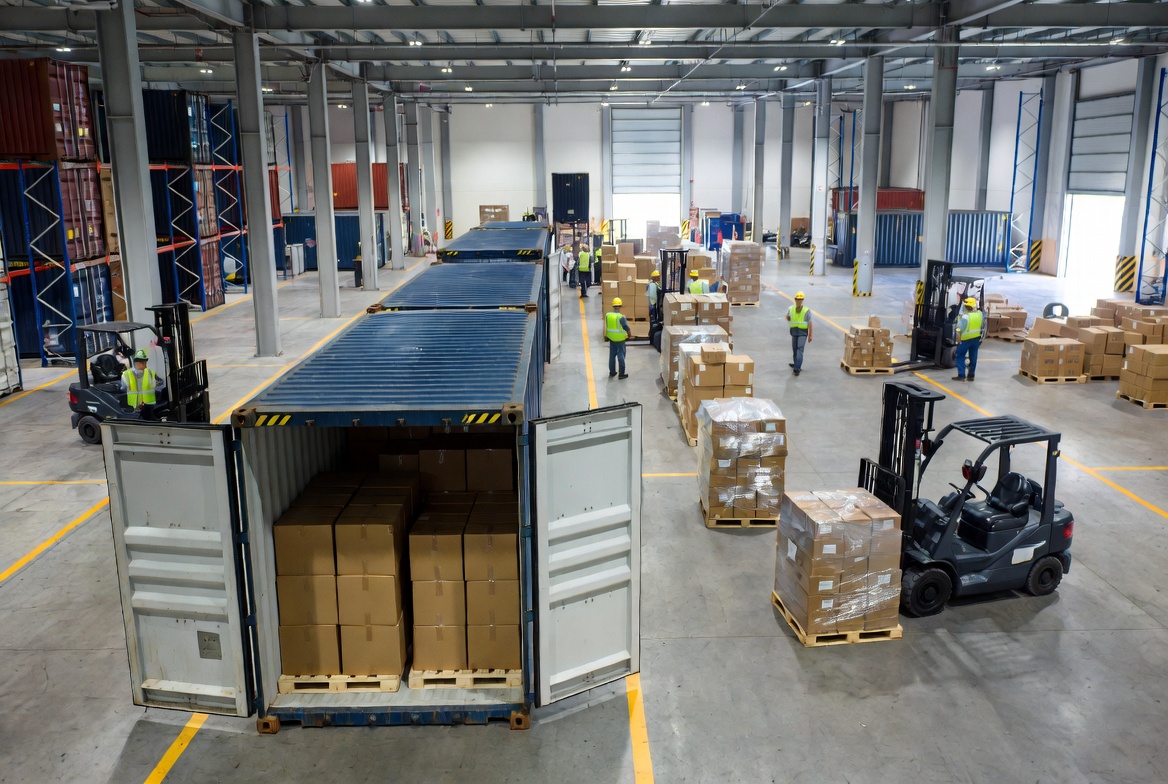
CBM, or cubic meter, is one of the most important pricing factors in LCL shipping. The formula is simple: CBM = Length × Width × Height measured in meters.
If you ship multiple cartons, calculate the volume of one carton first, then multiply by the total quantity. That is why packaging optimization matters so much in sea freight: a small reduction in carton size can reduce total volume and lower the final LCL bill.
Example: if 50 cartons each measure 0.60 m × 0.40 m × 0.35 m, the total volume is 4.2 CBM. In LCL shipping, the charge is based on the total space used, not just the weight.
Transit time depends on route, destination, port congestion, consolidation time, and whether you choose FCL or LCL. For planning purposes, the following ranges are a practical benchmark.
| Region | Typical Transit Time |
|---|---|
| Asia | 5–12 days |
| Middle East | 18–28 days |
| Europe | 25–45 days |
| North America | 15–40 days |
| Africa | 30–55 days |
| South America | 35–55 days |
| Oceania | 18–30 days |
The China forwarders freight index also shows that lanes such as China–North America, China–Europe, and China–Southeast Asia move at very different market levels, which is why route-specific planning matters more than using a single "average" shipping price.
A sea freight quote is never based on one factor alone. The final price changes depending on cargo volume, cargo weight, pickup city, destination, route, container type, and port conditions.
The most common quote variables are:
- Cargo dimensions and total CBM.
- Gross weight and packaging type.
- Origin port and destination port.
- FCL or LCL service type.
- Incoterms, such as FOB or EXW.
- Peak season demand and vessel space availability.
If a quote feels unusually low, check whether destination charges, documentation fees, or consolidation costs are missing from the first estimate.
Good freight planning starts with clean documents. For most shipments, you should prepare the following before space is booked.
- Packing list.
- Proforma invoice.
- Shipping terms or Incoterms.
- Certificate of origin.
These documents help the forwarder coordinate booking, export declaration, and shipment handover without avoidable delays.
As a China freight forwarder with 15 years of international logistics experience, GB FREIGHT AGENCY CO., LTD. supports importers with end-to-end ocean freight solutions from supplier coordination to final delivery. The process is built for businesses that want efficiency, consistency, and clear communication.
Typical service flow:
1. Confirm cargo details and destination.
2. Review FCL or LCL options.
3. Coordinate with the supplier.
4. Arrange export customs clearance.
5. Load and ship from the origin port.
6. Track transit and destination handling.
7. Complete final delivery.
This approach is especially useful for importers moving goods across Europe, North America, South America, Southeast Asia, the Middle East, Africa, and Oceania.
Not every route should be judged by price alone. A good shipping decision balances cost, transit time, handling risk, and cargo type.
Use this simple framework:
- Under 5 CBM: LCL is usually the better starting point.
- 5–15 CBM: compare both FCL and LCL carefully.
- Above 15 CBM: request an FCL quote first.
- Fragile or sensitive goods: FCL is often safer.
- Tight replenishment window: choose the more predictable option.
This kind of decision model helps importers avoid paying more than necessary while still protecting delivery performance.
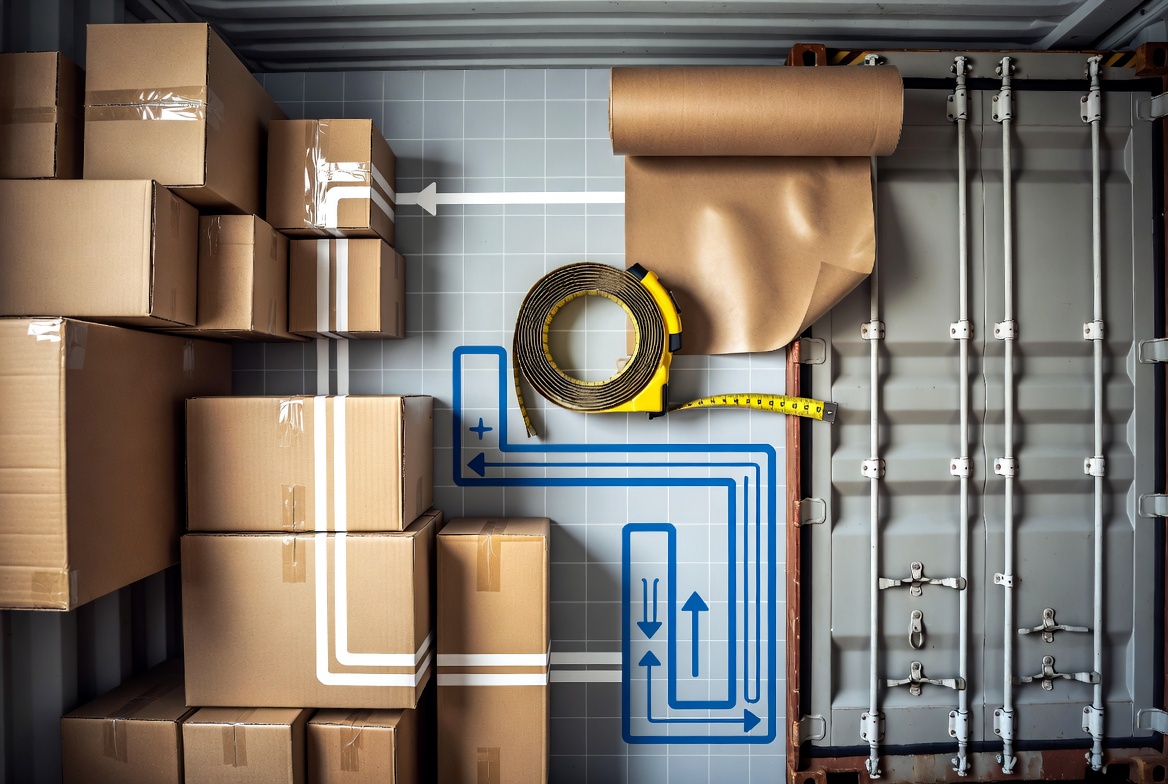
A few small changes can improve both cost and reliability. Packaging optimization, better carton design, and correct document preparation often have a bigger impact than people expect.
Useful tips:
- Reduce wasted carton space where possible.
- Combine orders to improve CBM efficiency.
- Avoid peak shipping periods when possible.
- Match container type to cargo size.
- Confirm all destination charges before booking.
For businesses shipping consistently, route consistency and supplier discipline are just as important as freight rates.
Sea freight is not only about securing a container space. It is about managing timing, communication, customs documents, route changes, and delivery risk. A well-organized forwarder can reduce surprises and make the entire process smoother from factory to destination.
That matters even more when shipments are moving across long trade lanes where transit time, port congestion, and market swings can affect the final result.
1. How long does sea freight from China take?
It usually takes 5–55 days depending on destination and route, with Asia being the fastest and South America or Africa often taking longer.
2. How much does sea freight from China cost?
A 20ft container typically ranges from $1,500–$2,800 depending on destination, while LCL is often priced around $60–$280 per CBM.
3. What is the difference between FCL and LCL?
FCL means one full container is used for your cargo only, while LCL means your cargo shares container space and is charged by volume.
4. When should I choose FCL over LCL?
FCL is usually better once cargo volume reaches about 12–15 CBM, or when the shipment needs more control, less handling, and better time predictability.
5. What documents are needed for sea freight from China?
The basic documents are packing list, proforma invoice, shipping terms, and certificate of origin.
6. How do I calculate CBM?
Multiply length, width, and height in meters. For multiple cartons, multiply the result by the quantity.
- DDPCHAIN, "Sea Freight From China: 2026 Rates, Transit Time, Get a Quote" — [https://ddpchain.com/sea-freight-from-china/] [ddpchain]
- Shipping China, "Freight Index - Shipping China" — [https://en.shippingchina.com/scfi/index/index.html] [en.shippingchina]
- DDPCHAIN YouTube, "Top 10 Sea Freight Forwarders in China 2026 | Best Ocean Freight Companies Ranked" — [https://www.youtube.com/watch?v=AjAxe888E48] [youtube]
- Phoenix Logistics, CBM calculation guidance — [phoenixintlogistics]
- SZViper, "LCL vs FCL Shipping from China: 2026 Cost Guide & Lead Times" — [qualitysourcingfromchina]
- CBM calculator guidance — [freightos]
- CBM formula guide — [freightamigo]


