
Views: 220 Author: gb-freight Publish Time: 2025-09-25 Origin: Site


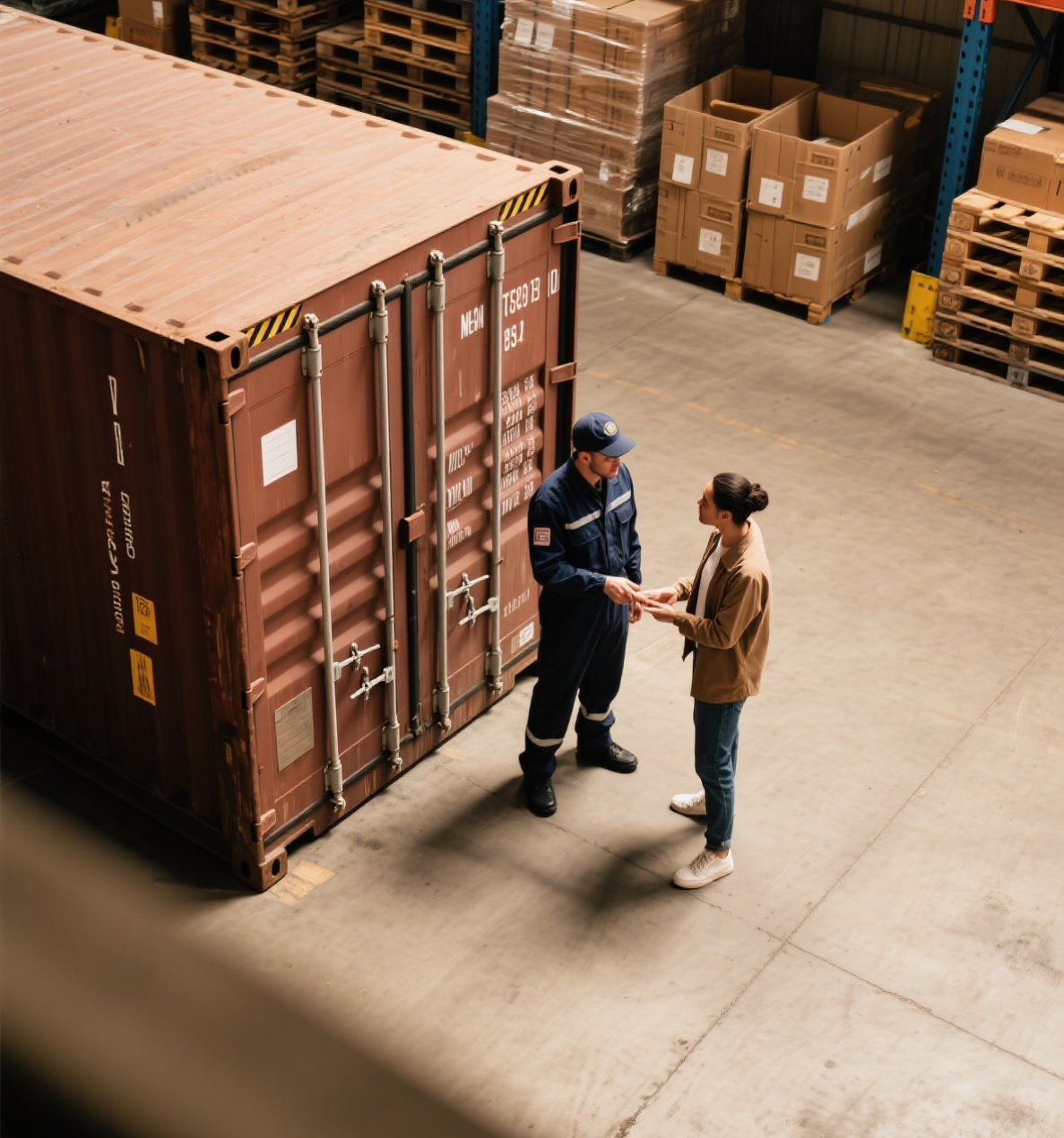
In the fast-moving world of international freight and logistics, two crucial roles determine the success of every shipment: the shipper and the consignee. In simple terms, the shipper sends the goods, while the consignee receives them.
However, understanding the difference between shipper and consignee goes far beyond this basic description. Their distinct responsibilities and legal obligations directly affect shipping costs, customs clearance, and risk management.
The shipper is the party responsible for sending the goods and retains ownership until the consignee completes payment. During the shipping process, the shipper initiates and organizes the entire transport.
For example, the shipper carefully prepares and packages the cargo, arranges transportation, and provides all required shipping documents such as the Bill of Lading or Certificate of Origin. Because of these responsibilities, he plays a decisive role in ensuring smooth freight forwarding and on-time delivery.
The consignee, sometimes called the cargo receiver, is the person or company designated to receive the shipment. The consignee can be the actual buyer or an intermediary who accepts delivery on behalf of the buyer.
Before shipping, the shipper provides the freight forwarder or carrier with accurate consignee details so the goods can be delivered to the correct recipient. This step is critical because any error can lead to costly demurrage fees, detention charges, or delivery delays.
Although both parties collaborate to move cargo across borders, two key differences separate the shipper and the consignee: ownership of goods and scope of responsibility.

Even after the goods leave the shipper’s warehouse, the shipper typically maintains legal ownership until the consignee pays in full and signs the delivery documents.
Ownership officially transfers only when the consignee receives the cargo, verifies its condition, and completes payment as stated in the Bill of Lading.
| Shipper Responsibilities | Consignee Responsibilities |
|---|---|
| Preparing and packaging cargo | Inspecting goods upon arrival |
| Issuing shipping documents (Bill of Lading, Commercial Invoice, Certificate of Origin) | Handling customs clearance and local paperwork |
| Selecting and booking the carrier or freight forwarder | Arranging final delivery to the end user |
By clearly dividing these duties, both parties reduce misunderstandings and protect their financial interests.
Consider an Italian furniture manufacturer exporting sofas to a Chinese retailer. In this shipment, the manufacturer acts as the shipper, while the Chinese retailer is the consignee.
The shipper packages the sofas, completes all export documentation, and books international sea freight through GB INTL Freight, a professional freight forwarding company. Once the retailer receives the sofas, inspects them, signs the Bill of Lading, and makes the final payment, ownership of the cargo transfers from shipper to consignee.
Clear contracts are vital in any shipping agreement. In addition to the main sales contract, two documents are especially important: the Commercial Invoice and the Bill of Lading.
The Commercial Invoice lists the taxes and duties payable by the consignee and serves as proof of sale. The Bill of Lading, on the other hand, details the shipment’s contents and functions as a legal receipt.
When disputes arise, both the shipper and the consignee may bear responsibility. The shipper remains liable for product quality or regulatory compliance, while the consignee must promptly inspect the cargo and report any damages or discrepancies.
Because international shipping involves multiple jurisdictions and potential risks, well-defined contracts outline each party’s duties and reduce exposure to costly claims.
At GB INTL Freight, we help clients draft precise shipping agreements and guide them through customs clearance and freight forwarding procedures. Contact us today to ensure that your next shipment meets all legal requirements and arrives on time.
If you have any question Feel free to contact us!
Follow us on:
Facebook: https://www.facebook.com/profile.php?id=61567280547251
Instagram: https://www.instagram.com/gb_intlfreightagency/
Linkedin: https://www.linkedin.com/company/gb-intl-freight-agency-co-ltd/?viewAsMember=true


