
Views: 243 Author: GB FREIGHT Publish Time: 2026-08-26 Origin: Site


Content Menu
● Why Foshan Is a Strategic Shipping Base
● What a Good Foshan Freight Forwarder Should Handle
● Sea, Air, Rail, or LCL: Which Service Fits Your Shipment?
>> When LCL Shipping Makes Sense
● Customs Clearance: Prepare Before Cargo Reaches the Port
● Door-to-Door Delivery and DDP: Know the Responsibilities
● A Practical Shipping Workflow From Foshan
>> 1. Share complete cargo details
>> 2. Select the right transport plan
>> 3. Confirm supplier readiness
>> 4. Arrange collection or warehouse delivery
>> 5. Review documents before export filing
>> 6. Monitor departure and destination milestones
● Why Work With GB FREIGHT AGENCY CO., LTD.
>> What is the best way to ship goods from Foshan?
>> Which ports are commonly used for Foshan exports?
>> How long does sea freight from Foshan take?
>> Can I combine goods from multiple Foshan suppliers?
>> What documents are needed for export customs clearance in China?
>> Is DDP shipping suitable for every product and country?
Finding the right shipping company in Foshan is not simply about comparing freight rates. For exporters of furniture, ceramics, lighting, home appliances, building materials, machinery, and consumer goods, the right freight forwarder coordinates the full journey—from supplier booking and export declaration to international transportation and final delivery.
GB FREIGHT AGENCY CO., LTD. brings 15 years of international logistics experience to businesses shipping from China to Europe, North America, South America, Southeast Asia, the Middle East, Africa, and Oceania. We combine sea freight, air freight, railway transportation, customs clearance, warehousing, LCL consolidation, and door-to-door delivery into practical plans built around your cargo, destination, budget, and delivery deadline.

Foshan is one of South China's most important manufacturing centres. It is especially well known for furniture, ceramic tiles, sanitary ware, lighting, household appliances, aluminium products, machinery, and building materials.
However, Foshan is primarily an inland and river-port logistics gateway rather than a deep-water ocean port. Export cargo is commonly moved by truck, barge, or feeder service to major gateways such as Guangzhou Nansha, Shenzhen, and Hong Kong before international departure. This makes local coordination especially important: a freight forwarder must manage factory pickup, container loading, port cut-off times, export documentation, and onward transportation as one connected process.
For buyers and exporters, this creates a clear requirement: choose a forwarder that understands both Foshan factory operations and the international transport network beyond Guangdong.
A capable freight partner should not only book cargo space. It should identify risks before goods leave the supplier, explain the transport plan clearly, and maintain control across every handover point.
At GB FREIGHT AGENCY CO., LTD., our service scope includes:
- Sea freight: Full Container Load (FCL), LCL consolidation, special equipment, and port-to-port or door-to-door options.
- Air freight: Time-sensitive shipments, samples, urgent replenishment cargo, and high-value products.
- Railway transportation: Selected routes linking China with Europe and Central Asia.
- Customs clearance: Export declaration coordination, document review, cargo information checks, and shipment compliance support.
- Warehousing: Cargo receiving, consolidation, short-term storage, palletising, labelling, inspection support, and dispatch coordination.
- Door-to-door delivery: Collection in Foshan or elsewhere in China, international transport, destination-side arrangements, and delivery to the agreed address.
- Supplier coordination: Booking confirmation, loading schedules, cargo-ready follow-up, and communication with multiple factories.
A practical forwarder will also ask detailed questions before issuing a quote. These normally include product type, HS code, cargo dimensions, gross weight, packaging, cargo-ready date, Incoterms, destination postcode, and whether the shipment contains batteries, liquids, wood packaging, magnets, or other controlled materials.
The best transport mode depends on the trade-off between cost, transit time, cargo volume, delivery urgency, and destination requirements.
| Shipping method | Best suited for | Main advantage | Main consideration |
|---|---|---|---|
| Sea freight FCL | Large-volume cargo or regular container shipments | Lower unit cost and better container control | Requires enough cargo to use container space efficiently |
| LCL shipping | Small-to-medium cargo that does not fill a container | Avoids paying for a full container | Consolidation and deconsolidation add handling time |
| Air freight | Urgent, lightweight, high-value, or seasonal cargo | Fast international movement | Higher cost based on chargeable weight |
| Railway transportation | Certain Europe- and Central Asia-bound cargo | Balance between speed and cost on eligible routes | Route and cargo eligibility must be confirmed |
| Door-to-door delivery | Importers seeking a coordinated solution | One accountable logistics partner | Destination requirements must be verified in advance |
Less than Container Load (LCL) is often a sensible option for small shipments from Foshan suppliers—particularly when an importer is buying from several factories and does not yet have enough cargo for a 20-foot or 40-foot container.
For example, an importer may purchase ceramic accessories from one supplier, lighting products from another, and furniture hardware from a third. Rather than arranging three separate shipments, cargo can be delivered to a warehouse, checked, consolidated, and shipped together under one coordinated plan.
The lowest quoted LCL rate is not always the lowest landed cost. Ask whether the quote includes:
- Origin warehouse receiving and handling
- Export declaration fees
- Documentation charges
- Port or terminal charges
- Destination deconsolidation charges
- Customs examination-related costs, if applicable
- Final delivery fees and accessorial charges
A transparent quotation should define what is included, excluded, estimated, or subject to actual third-party charges.
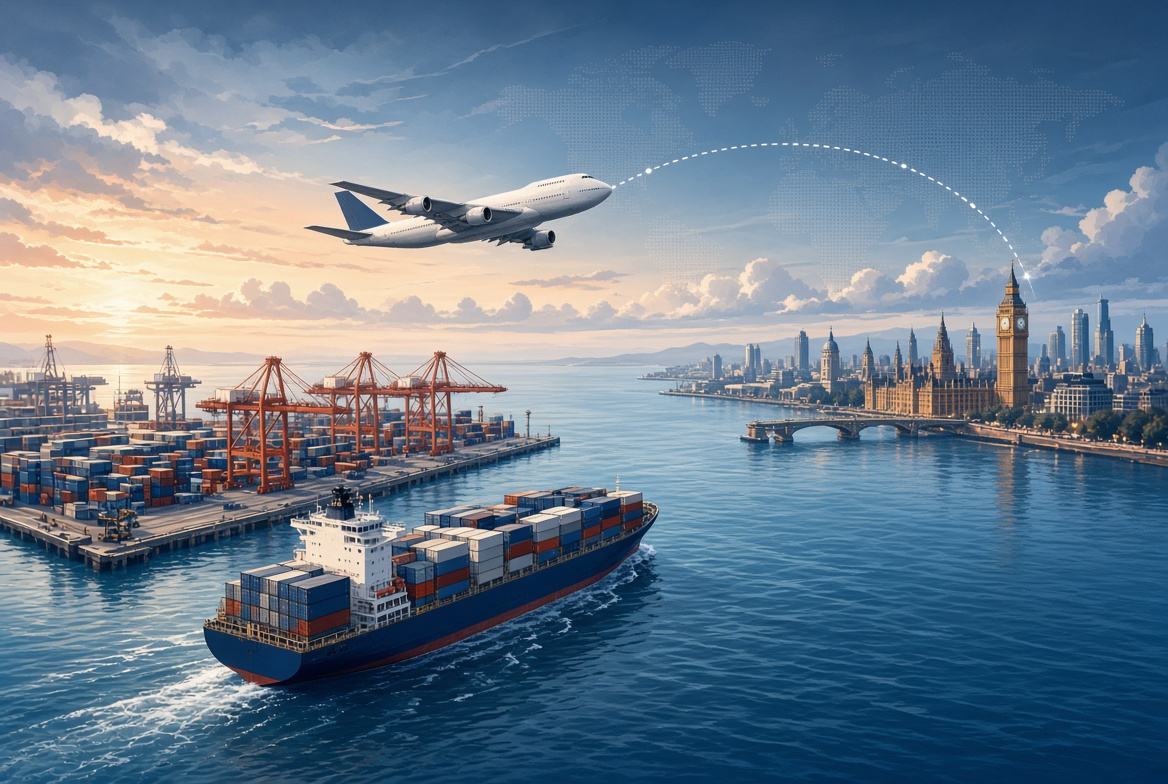
Export customs clearance is a critical stage in the China shipping process. China Customs requires consignors, consignees, and declaration agents to declare goods truthfully. Shipment details should align across the commercial invoice, packing list, customs declaration, transport documents, and product information.
Before booking, confirm the following with your supplier and freight forwarder:
1. Accurate product description
Avoid vague descriptions such as "parts," "samples," or "general cargo." Describe what the item is, what it is made of, and how it is used.
2. Correct cargo value and quantities
Invoice value, packing information, carton count, weight, and dimensions should be internally consistent.
3. HS code review
Product classification can affect duties, controls, destination documentation, and whether licences or certificates may be needed.
4. Export eligibility
Check whether goods require special documentation, testing reports, certificates, or export permissions.
5. Packaging compliance
For wooden pallets or crates, verify whether the destination requires compliant treatment and marking.
6. Destination-side readiness
The consignee should understand local import requirements, taxes, licensing responsibilities, and delivery conditions before cargo departs.
Early document review can prevent avoidable customs delays, cargo amendments, storage charges, and missed vessel or flight schedules.
Door-to-door delivery is often used as a broad description, but the commercial terms behind it matter. A shipment can be delivered to a customer's address under different arrangements, and costs or import responsibilities may vary.
Under Delivered Duty Paid (DDP) arrangements, the seller bears extensive responsibility: export and import clearance, duties and taxes, international transportation, destination charges, and delivery to the named place. Risk generally transfers when the goods are placed at the buyer's disposal at the agreed destination, ready for unloading.
Before choosing DDP shipping from Foshan, make sure the quotation confirms:
- The exact delivery address and postcode
- Whether duties, VAT, GST, and clearance are included
- Who acts as importer of record where required
- Whether the product is eligible for the proposed import arrangement
- Delivery appointment, residential, remote-area, tail-lift, or lift-gate requirements
- The point at which cargo risk transfers
- Any exclusions related to inspections, storage, demurrage, or customs holds
A clear delivery term is more valuable than a vague all-inclusive promise. It helps both the exporter and buyer understand responsibilities before cargo is collected.
A well-managed shipment should follow a visible process rather than relying on last-minute messages.
Provide product name, destination, carton count, dimensions, gross weight, cargo-ready date, commercial terms, and special handling requirements.
Compare FCL, LCL, air freight, railway, and door-to-door solutions based on total landed cost, transit-time needs, and operational risk.
Coordinate with the factory on packing, labels, loading date, export documents, and cargo handover requirements.
Cargo may be collected directly from the supplier or delivered to a consolidation warehouse for receiving and inspection.
Check the invoice, packing list, product description, shipper and consignee details, and any required certificates.
Shipment updates should cover pickup, port or airport receipt, customs filing, departure, transshipment when applicable, arrival, clearance, and final delivery.
Confirm destination-side contact details, unloading conditions, and delivery appointment requirements before cargo arrives.
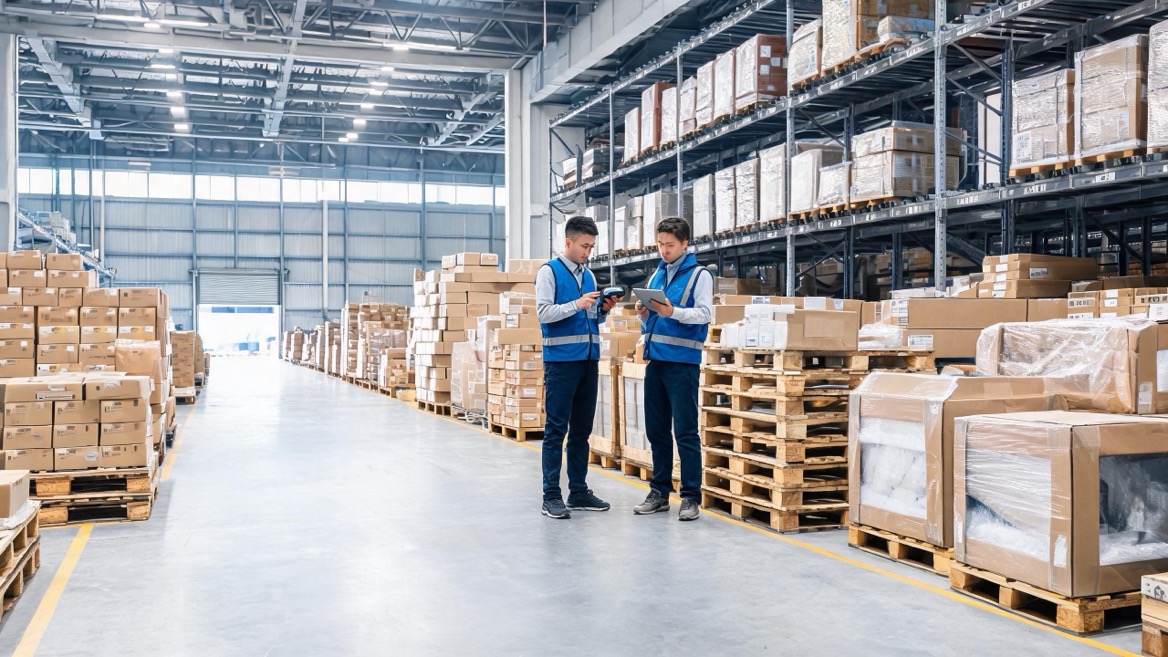
GB FREIGHT AGENCY CO., LTD. supports international shipments from China with a cost-conscious, operationally focused approach. Our role is to turn complex transport requirements into a clear, workable plan.
Our team can support shipments from Foshan and other manufacturing locations across China, whether you are arranging a single LCL shipment, recurring containers, urgent air cargo, or a multi-supplier door-to-door project.
Clients choose us for:
- 15 years of international freight experience
- Flexible sea, air, rail, customs, warehouse, and delivery solutions
- Practical coordination with Chinese suppliers and factories
- Support for Europe, the Americas, Southeast Asia, the Middle East, Africa, and Oceania
- Clear communication at key shipment stages
- Transport plans designed around cargo requirements—not one fixed service model
Request a shipping solution from Foshan today. Send us your product details, destination, volume, weight, cargo-ready date, and preferred delivery term. Our team will recommend the most suitable transport option and provide a clear quotation for your shipment from China.
For large shipments, sea freight in a full container is usually the most cost-efficient option. For smaller shipments, LCL consolidation may be more practical. Air freight is usually better for urgent or high-value cargo, while railway transportation can be suitable for selected China-to-Europe lanes.
Foshan exporters commonly route cargo through nearby South China gateways, including Guangzhou Nansha, Shenzhen, and Hong Kong. The best departure point depends on vessel schedules, cargo type, destination, and inland transport costs.
Transit time depends on the destination port, carrier routing, transshipment arrangements, port congestion, customs procedures, and final delivery location. A freight forwarder should provide an estimated transit range for the selected route rather than promise a fixed arrival date.
Yes. A freight forwarder can arrange warehouse consolidation for cargo from different suppliers. This is commonly used for LCL shipments and can simplify document management, reduce separate-shipment costs, and improve delivery coordination.
Typical documents include a commercial invoice, packing list, transport booking information, and product-related documents where required. Exact requirements depend on the product, trade arrangement, and applicable controls. Export declarations must be accurate and consistent.
No. DDP suitability depends on the product, destination-country regulations, importer-of-record arrangements, tax treatment, and local clearance requirements. Always confirm these details before booking.
- [China Customs: Measures for the Administration of Customs Declaration]
- [China Customs: Standards on Completion of Customs Declaration Forms]
- [Maersk: Delivered Duty Paid Explained]
- [Export Development Canada: Incoterms 2020 Group D Rules]
- [iContainers: Port of Foshan Guide]


