
Views: 236 Author: GB FREIGHT Publish Time: 2026-09-16 Origin: Site


Content Menu
● How to Evaluate a Customs Clearance Service Provider
>> Export and Import Coordination
>> Customs Classification Support
● Top 10 Customs Clearance Service Providers in China
● 1. GB FREIGHT AGENCY CO., LTD.
● 7. Ningbo China International Forwarding Agency Co., Ltd.
● Customs Clearance Service Comparison Table
● Common Customs Clearance Problems and How to Avoid Them
>> Inaccurate Product Descriptions
>> Invoice and Packing List Mismatch
>> Product Compliance Assumptions
● The Overlooked Risk: Consolidated Shipment Document Gaps
● Buyer's Guide: Choosing the Right Provider
● Step 1: Prepare a Complete Shipment Profile
● Step 2: Confirm the Shipping Terms
● Step 3: Compare Landed Cost, Not Freight Cost
● Step 4: Test Communication Before Booking
● Step 5: Begin with a Trial Shipment
● FAQ
>> 1. How can I verify whether a freight forwarder's customs-related certification is valid?
>> 2. Does a China freight forwarder provide customs clearance in my destination country?
>> 3. Can I use DDP shipping from China without having an importer-of-record setup?
>> 4. What documents should I prepare before requesting a customs clearance quote?
>> 5. What is the fastest way to reduce customs clearance delays?
For global buyers, customs clearance is one of the most important but frequently underestimated parts of international sourcing. A product may be manufactured on time, inspected successfully, packed correctly, and shipped from China as scheduled, yet still face delays, unexpected costs, customs holds, or delivery failures if the declaration process is poorly managed.
A Customs Clearance Service provider helps connect the critical stages between supplier pickup, export declaration, international transportation, destination clearance, duty and tax handling, and final delivery. The right logistics partner should not only submit paperwork. It should also help buyers identify documentation gaps, confirm shipment details, coordinate suppliers, manage customs communication, and reduce avoidable compliance risks before cargo reaches the port or airport.
China remains one of the most important global manufacturing and export centers. Its industrial clusters support nearly every major product category, including consumer electronics in Shenzhen, furniture in Foshan, toys in Shantou, machinery in Zhejiang, apparel in Guangzhou, small commodities in Yiwu, automotive components in Ningbo, and industrial equipment in Shanghai and Suzhou.
For overseas buyers, sourcing from China often means coordinating multiple factories, different production schedules, mixed product categories, packaging variations, and several transportation methods. A capable China freight forwarder can simplify these challenges by combining supplier pickup, warehouse consolidation, export customs declaration, ocean freight, air freight, railway freight, road transportation, and destination delivery into one coordinated shipping plan.
This article reviews 10 Customs Clearance Service providers that may be relevant for importers shipping goods from China to Europe, North America, South America, Southeast Asia, the Middle East, Africa, and Oceania.
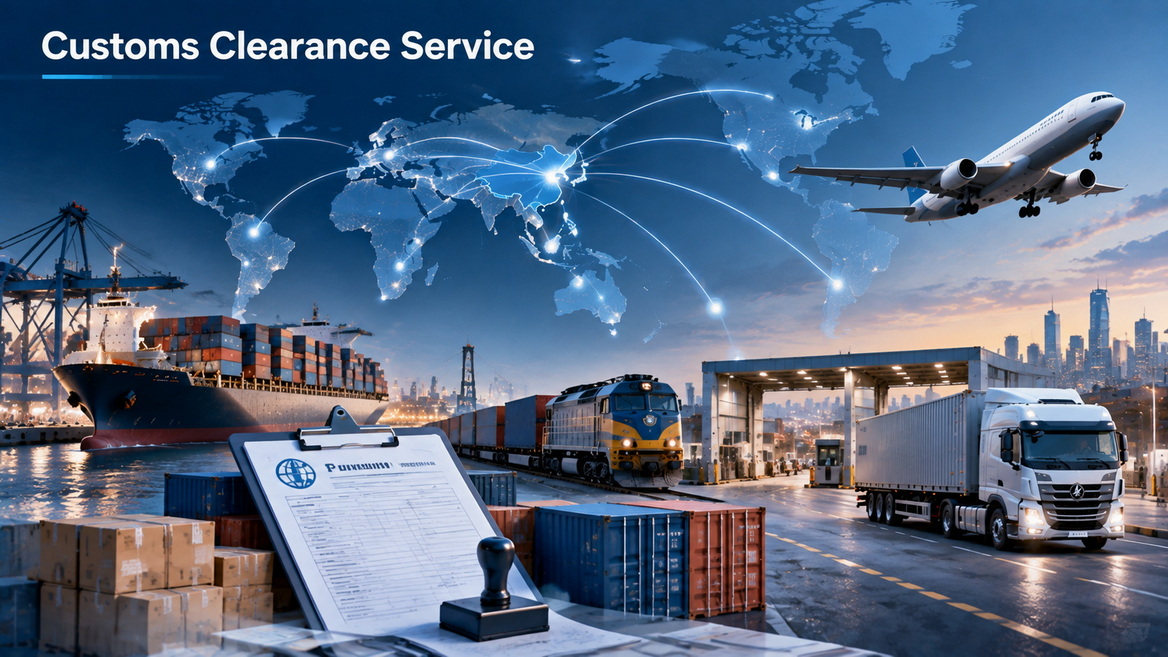
Before comparing logistics companies, buyers should understand that customs clearance is not a standard factory product. There is no universal production capacity, fixed material grade, or conventional manufacturing MOQ. Instead, service quality depends on documentation accuracy, operational coordination, customs knowledge, overseas network strength, transportation options, and communication speed.
A reliable provider should be evaluated using the following criteria.
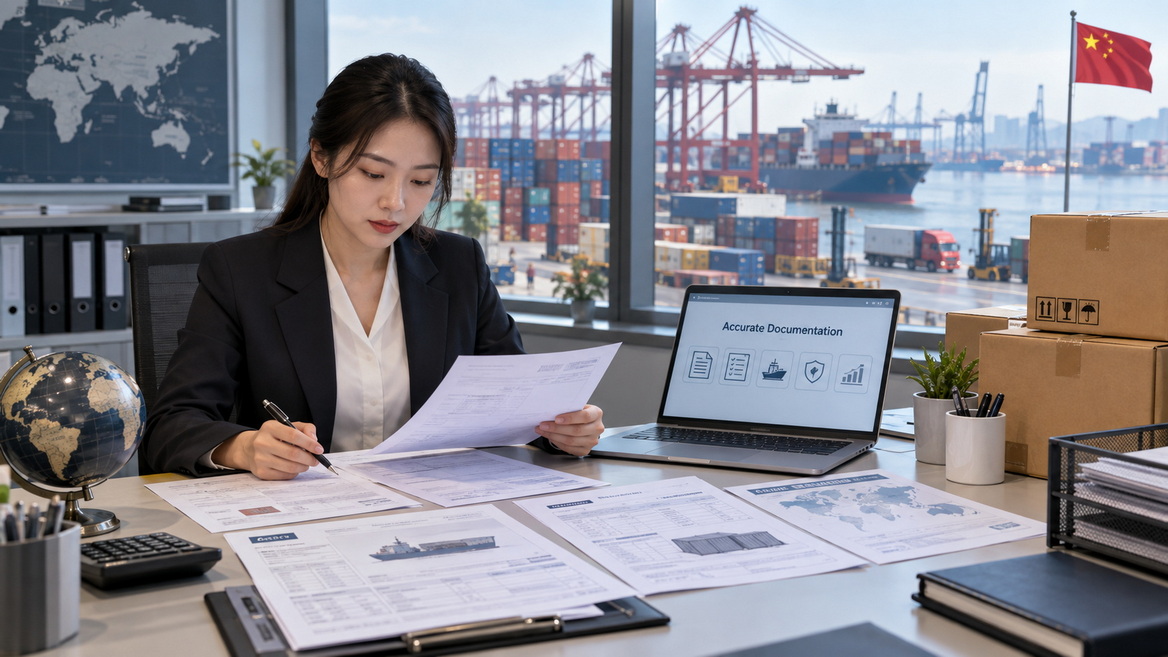
A customs declaration must match the commercial invoice, packing list, bill of lading or air waybill, product description, declared value, quantity, weight, and relevant certificates.
Small errors can create major consequences. For example, a shipment may be delayed if the product description on the invoice says "LED light" while the packing list says "electronic accessory" and the customs entry uses a different product category.
Professional logistics teams should review documentation before cargo reaches the port or airport. They should ask detailed questions about the product, material, intended use, value, destination market, brand status, battery content, chemical content, certification requirements, and shipping terms.
Export customs clearance in China and import customs clearance in the destination country are separate processes. A China-based freight forwarder may manage the export declaration directly, while destination clearance may be handled by an overseas agent, customs broker, importer, or consignee.
Buyers should clearly understand who is responsible for each step:
- Supplier or exporter of record.
- China export declaration agent.
- Freight forwarder.
- Carrier.
- Destination customs broker.
- Importer of record.
- Duty and tax payer.
- Final-mile delivery provider.
Many shipping issues happen because these responsibilities are not confirmed before cargo leaves China.
HS codes, also known as Harmonized System codes, are essential for customs declarations. They affect duty rates, import restrictions, required licenses, product inspections, and statistical records.
A freight forwarder may provide preliminary guidance, but the importer remains responsible for ensuring that the final classification is accurate. For complex products, buyers should provide product specifications, material composition, photos, product manuals, model numbers, technical sheets, and intended-use descriptions.
This is particularly important for products such as:
- Electronics and electrical appliances.
- Lithium battery products.
- Machinery and industrial equipment.
- Cosmetics and personal-care products.
- Food and food-contact materials.
- Medical devices.
- Chemicals and liquids.
- Textile and apparel products.
- Branded goods.
- Toys and children's products.
- Wireless communication equipment.
- Automotive parts.
A suitable provider should offer more than one transport method. The best route depends on cargo size, urgency, budget, destination, season, and customs requirements.
Common options include:
- Ocean freight for full containers and larger LCL shipments.
- Air freight for urgent commercial cargo.
- International express shipping for samples, documents, and lightweight shipments.
- Railway freight for selected China-to-Europe routes.
- Road freight for cross-border regional transportation.
- Multimodal shipping for complex cargo flows.
- DDP shipping for buyers seeking a delivered, duty-paid arrangement.
- Warehouse consolidation for goods from multiple suppliers.
A China freight forwarder does not need to own an office in every destination country. International forwarding often depends on partnerships with local agents, customs brokers, carriers, warehouses, and trucking companies.
However, buyers should ask whether the destination clearance process is handled by a named partner, a nominated customs broker, or the consignee's own broker. They should also confirm whether final delivery, appointment booking, residential delivery, pallet handling, liftgate service, or warehouse receiving charges are included.
A low shipping quote can become expensive when origin handling, export declaration, destination charges, customs brokerage, customs inspection fees, storage, demurrage, detention, duty, tax, terminal handling, or final delivery are excluded.
Professional buyers should compare total landed cost rather than only comparing ocean freight or air freight rates.
The following list includes international freight forwarders, customs support providers, integrated logistics companies, and customs-focused service providers that may be relevant for businesses shipping goods from China.
The most suitable provider depends on the shipment type, export location, destination country, product category, clearance requirements, shipping volume, and delivery deadline.
GB FREIGHT AGENCY CO., LTD. is a China-based international freight forwarder with 15 years of logistics experience. The company provides transportation and customs-related solutions for businesses shipping products from China to Europe, North America, South America, Southeast Asia, the Middle East, Africa, and Oceania.
The company's service scope includes ocean shipping, air freight, railway freight, road freight, customs clearance, warehouse services, DDP shipping, multimodal transport, special containers, ATA Carnet support, dangerous goods logistics, Amazon FBA shipping, multi-supplier consolidation, oversized cargo, and project cargo.
- Flexible shipping plans for small, medium-sized, and growing importers.
- Supplier pickup and shipment coordination across China.
- Support for multi-supplier cargo consolidation.
- Customs-clearance coordination for export shipments.
- Ocean freight, air freight, rail freight, road freight, and DDP shipping options.
- Warehouse receiving, carton verification, cargo consolidation, and loading coordination.
- Support for Amazon FBA and cross-border e-commerce shipments.
- Capability for dangerous goods, special containers, and oversized cargo.
- Operational coverage through offices in Shenzhen, Hong Kong, and Malaysia.
GB FREIGHT may be particularly suitable for small and mid-sized brands, trading companies, distributors, Amazon sellers, wholesalers, and procurement teams sourcing from several Chinese factories.
The company can be useful when buyers need a logistics partner that can coordinate factory pickup, warehouse receiving, export documents, customs declaration, transport bookings, destination clearance support, and final delivery planning.
For example, a buyer sourcing LED lights from Shenzhen, packaging from Dongguan, metal accessories from Guangzhou, and product inserts from Yiwu may need all items delivered to one warehouse before export. A consolidation-focused freight forwarder can receive cargo from each supplier, verify carton counts, organize labeling, prepare a packing list, arrange export customs clearance, and ship the combined order by air, ocean, rail, or DDP service.
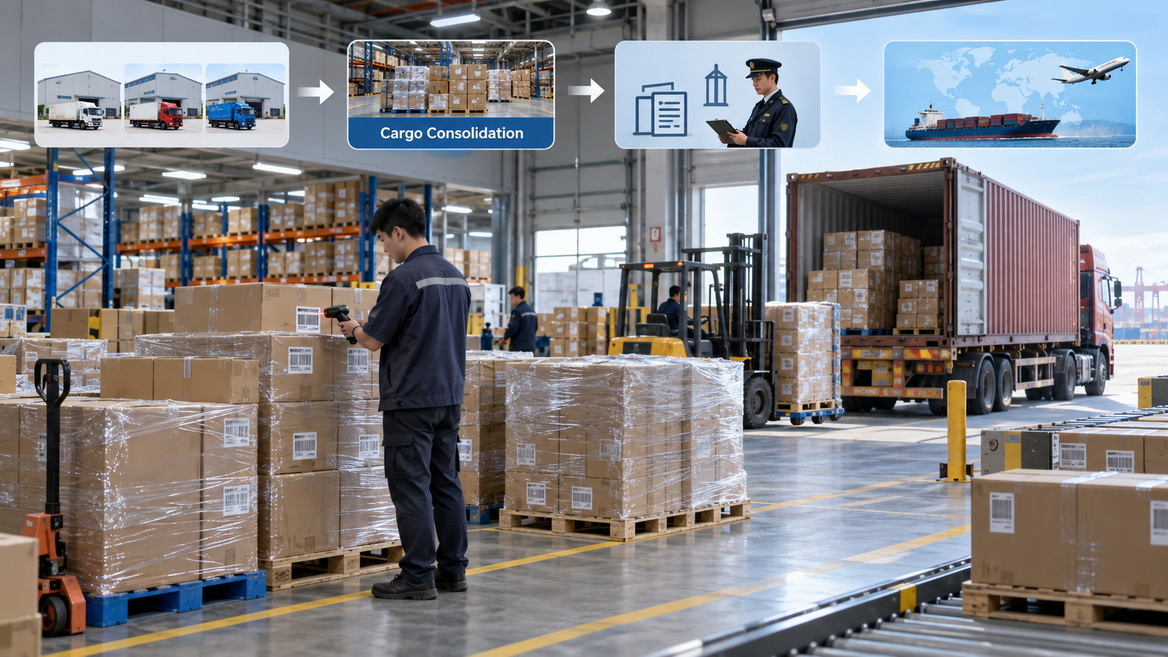
Freight forwarders do not provide OEM or ODM production in the traditional manufacturing sense. However, they can provide customized logistics solutions based on a buyer's supply chain.
Customized support may include:
- Consolidation by supplier, purchase order, SKU, or destination.
- Shipment splitting by product type or delivery priority.
- Carton labeling and FBA preparation coordination.
- Customized container-loading plans.
- Mixed cargo handling.
- Warehouse inspection support.
- Delivery appointment coordination.
- DDP and DAP shipping plans.
- Cargo insurance options.
- Special packaging or palletizing arrangements.
- Dangerous goods documentation support.
- ATA Carnet coordination for temporary export shipments.
GB FREIGHT is a practical option for buyers who prefer responsive communication, flexible consolidation plans, and customized freight solutions rather than a fixed shipping model.
Sinotrans Logistics is a large China-based logistics and supply-chain service provider with experience in industrial transportation, automotive logistics, new-energy supply chains, import and export logistics, warehousing, project planning, and multimodal transportation.
The company is particularly relevant for buyers with established supply chains, higher shipment volumes, automotive components, industrial machinery, production materials, and recurring international freight requirements.
- Large-scale logistics and supply-chain resources.
- Experience supporting automotive, industrial, and new-energy sectors.
- Integrated transportation, warehousing, customs coordination, and distribution.
- Ability to manage recurring and time-sensitive supply-chain movements.
- Multimodal transport planning.
- Suitable for complex industrial logistics programs.
Sinotrans may be a suitable option for multinational companies, automotive manufacturers, large distributors, industrial procurement teams, and companies with recurring container or airfreight volume.
It may be less suitable for very small importers that require low-MOQ consolidation, highly personalized communication, or frequent small-order shipping support.
FedEx China is a global express and logistics provider that offers customs-brokerage support as part of many international shipping services. It is widely used for urgent documents, samples, replacement parts, prototypes, high-value parcels, e-commerce shipments, and small commercial consignments.
FedEx provides shipping tools that help customers prepare customs documents, upload shipment information, monitor clearance progress, and respond to documentation requests.
- Fast international express shipping.
- Integrated customs brokerage for standard shipments.
- Digital shipment tracking and document tools.
- Suitable for samples, urgent replacement parts, and small commercial shipments.
- Global network coverage.
- Useful for shipments requiring predictable tracking milestones.
FedEx is often appropriate for:
- Product samples.
- Pre-production samples.
- Urgent product replacements.
- Trade-show materials.
- High-value small shipments.
- Documents requiring fast international delivery.
- Lightweight e-commerce parcels.
- Emergency production parts.
Express freight is convenient, but buyers should compare total cost against air cargo or consolidated air freight for larger shipments. For heavier commercial cargo, traditional air freight may offer a lower cost per kilogram.
Buyers should also ensure that the declared product description, value, quantity, and destination import information are accurate before booking.
SEKO Logistics provides international freight forwarding, customs clearance, supply-chain coordination, e-commerce logistics, and trade compliance support. The company is relevant for businesses that need more structured international customs and logistics management.
Its customs services may be particularly relevant for importers shipping into the United States, where requirements such as Importer Security Filing can affect ocean shipments.
- International customs brokerage support.
- Experience with import compliance procedures.
- Support for remote customs filing.
- Potential capability for Importer Security Filing coordination.
- Suitable for retail, e-commerce, consumer products, and international distribution.
- Broad international logistics network.
SEKO may be a suitable choice for businesses importing into North America, especially companies managing e-commerce inventory, retail distribution, consumer goods, and multi-channel sales.
For U.S.-bound ocean freight, buyers should confirm who is responsible for filing the Importer Security Filing, what information is required from the supplier, and what penalties may apply if the filing is late or inaccurate.
China Global Freight focuses on freight forwarding services from China to markets including the United States, the United Kingdom, Europe, Oceania, East Asia, and the Middle East.
The provider may be relevant for importers looking for a China-origin freight forwarder that can arrange standard international ocean, air, rail, and door-to-door shipping options.
- China-to-global freight forwarding.
- Coverage of major import markets.
- Potential support for ocean, air, and rail transportation.
- Suitable for standard commercial freight.
- Relevant for small and mid-sized importers.
China Global Freight may suit businesses that purchase from Chinese suppliers and need basic freight booking, supplier pickup, export arrangements, and destination delivery support.
Before selecting a provider, buyers should request a detailed quotation showing whether the following items are included:
- Export customs declaration.
- Warehouse receiving.
- Origin handling.
- Ocean or air freight.
- Destination terminal charges.
- Customs brokerage.
- Customs bond costs.
- Import duty and taxes.
- Cargo inspection fees.
- Storage charges.
- Delivery charges.
- Residential delivery or liftgate fees.
- Delivery appointment costs.
Sino Shipping is a China freight-forwarding provider offering ocean freight, air freight, rail freight, express shipping, supplier coordination, factory-visit support, and supply-chain services.
The company's office network in locations such as Shenzhen, Yiwu, Shanghai, Guangzhou, and Qingdao may be useful for buyers sourcing from several Chinese manufacturing regions.
- Presence in multiple Chinese sourcing and export cities.
- Ocean, air, rail, and express shipping options.
- Potential support for supplier coordination.
- Useful for buyers sourcing from multiple Chinese regions.
- Factory-visit and shipment-management support.
- Suitable for cross-border e-commerce and commercial shipping.
Sino Shipping may be suitable for buyers purchasing from suppliers in Yiwu, Guangzhou, Shenzhen, Shanghai, Ningbo, Qingdao, and other major sourcing areas.
It may be especially useful for importers who need to coordinate mixed shipments from different factories before export.
Ask whether supplier pickups are handled by the company's own team or by third-party trucking providers. Buyers should also confirm whether the warehouse provides carton-count verification, cargo photos, weight and volume measurement, supplier discrepancy reports, and final packing-list reconciliation.
Ningbo China International Forwarding Agency Co., Ltd. is a China logistics company established in 1992. Its long operating history and presence in Ningbo make it relevant for businesses exporting from Zhejiang, Shanghai, Jiangsu, Fujian, and other East China manufacturing regions.
The company has operations and network coverage across multiple Chinese cities and also maintains international business connections in regions such as Vietnam and Russia.
- Long operating history.
- Strong relevance for Ningbo-related shipping lanes.
- Suitable for ocean freight and export logistics.
- Network coverage across multiple Chinese ports and industrial regions.
- Potential support for logistics, supply-chain services, freight finance, and insurance.
This provider may be relevant for importers sourcing from Ningbo, Yiwu, Hangzhou, Wenzhou, Shanghai, Suzhou, Taizhou, and other East China production hubs.
It may be particularly suitable for ocean freight users importing furniture, home goods, machinery, hardware, consumer products, industrial components, and bulk commercial cargo.
For ocean freight, buyers should carefully compare all origin and destination charges. A low ocean freight rate can be offset by terminal handling charges, documentation fees, customs brokerage costs, delivery order fees, local delivery charges, demurrage, detention, and storage.
Harchen Logistics provides export logistics support that includes shipment inquiries, cargo confirmation, transportation planning, warehouse receiving, export customs declaration, international transportation, destination clearance coordination, and final delivery.
The company is relevant for buyers that prefer a clearly structured shipping workflow.
- Step-by-step export logistics process.
- Export declaration coordination.
- Support for commercial invoice and packing-list preparation.
- Suitable for businesses that need guided international shipping procedures.
- Potential support for destination customs clearance and delivery.
Harchen may suit first-time exporters, small international buyers, and trading companies that need a straightforward shipping process from supplier pickup through final delivery.
Buyers should not rely only on a general document checklist. Different product categories may require different export and import documents.
For example, the following cargo categories often need additional attention:
- Lithium batteries.
- Cosmetics.
- Food products.
- Dietary supplements.
- Medical products.
- Chemicals.
- Magnetic products.
- Branded merchandise.
- Wireless devices.
- Wooden products.
- Machinery.
- Automotive components.
- Children's toys.
- Textile products.
GUL Logistics provides customs clearance and international logistics services for businesses shipping goods from China to key overseas markets, including the United States, Canada, Germany, and Australia.
The company may be useful for importers looking for customs-related support in specific destination markets.
- Customs-clearance service positioning.
- Support for shipments from China to selected international destinations.
- Potential relevance for North American, European, and Australian importers.
- Suitable for commercial import shipments requiring destination coordination.
GUL Logistics may be a useful option for businesses importing Chinese goods into the United States, Canada, Germany, or Australia.
Importers should confirm whether the company handles customs declaration directly in the destination country or coordinates through a local broker. They should also confirm who will act as the importer of record and who is responsible for taxes, duties, inspections, and customs holds.
Ciprocess is more focused on customs and logistics consulting than on standard freight forwarding. It may be relevant for businesses facing China customs issues involving registration, licensing, classification, valuation, duty planning, regulatory interpretation, and customs disputes.
- China customs and logistics advisory.
- Support for import and export procedures.
- Potential assistance with customs registrations and licensing.
- Relevant for compliance-sensitive transactions.
- Useful for buyers handling complex customs questions.
Ciprocess may be suitable for businesses importing or exporting regulated, high-value, technically complex, or compliance-sensitive products.
It may also be useful for companies that need support with customs procedures, tariff classifications, customs disputes, product restrictions, valuation issues, or duty-planning questions.
For matters involving customs penalties, tax exposure, enforcement actions, product safety, licensing, or legal disputes, buyers should seek advice from qualified customs brokers, regulatory specialists, tax advisers, or legal counsel in the relevant jurisdiction.
| Provider | Main Strength | Suitable Shipment Type | Typical Buyer Profile | Service Flexibility | Customs Coordination |
|---|---|---|---|---|---|
| GB FREIGHT AGENCY CO., LTD. | Flexible China-origin shipping, consolidation, multimodal logistics | Ocean, air, rail, DDP, dangerous goods, project cargo | SMEs, brands, e-commerce sellers, wholesalers, global sourcing teams | High | Export declaration and destination clearance coordination |
| Sinotrans Logistics | Large-scale industrial and supply-chain logistics | Industrial freight, automotive parts, recurring cargo flows | Large companies and industrial procurement teams | Medium to High | Integrated customs and supply-chain coordination |
| FedEx China | Express shipping and digital shipment visibility | Samples, documents, urgent parcels, high-value small cargo | Importers needing speed and tracking | Medium | Integrated standard brokerage support |
| SEKO Logistics | International customs brokerage and e-commerce logistics | Retail, e-commerce, U.S.-bound import cargo | Importers with structured customs requirements | High | Customs brokerage and compliance coordination |
| China Global Freight | China-to-global freight forwarding | Standard commercial cargo | SMEs and first-time importers | Medium | Freight and customs support depending on lane |
| Sino Shipping | Multi-city China sourcing support | Mixed supplier cargo, e-commerce, ocean and air freight | Buyers sourcing from multiple Chinese regions | High | Export customs support and logistics coordination |
| Ningbo China International Forwarding Agency | Long-term ocean freight and East China export experience | Containers, LCL, industrial cargo | East China sourcing and ocean freight buyers | Medium | Export and destination coordination |
| Harchen Logistics | Structured shipping workflow | Small and medium commercial freight | First-time exporters and small buyers | Medium | Export declaration and destination clearance coordination |
| GUL Logistics | Destination-focused customs support | China-to-US, Canada, Germany, Australia shipments | Importers targeting selected markets | Medium | Customs brokerage coordination |
| Ciprocess | Customs consulting and compliance support | Complex or regulated cargo | Businesses needing customs advisory support | Medium | Regulatory, registration, and customs guidance |
A vague product description is one of the most common reasons for customs questions and delays.
Descriptions such as "accessories," "electronics," "samples," "parts," or "household goods" may not provide enough detail for customs authorities to determine classification, duty treatment, or product restrictions.
A stronger product description should include:
- Product name.
- Product function.
- Main material.
- Model number.
- Intended use.
- Brand name if applicable.
- Battery information if applicable.
- Quantity.
- Unit value.
For example, instead of writing "electronic product," use:
> Rechargeable Bluetooth speaker with plastic housing, lithium-ion battery, USB charging cable, consumer audio use, model ABC-100.
The commercial invoice, packing list, customs declaration, and bill of lading should be internally consistent.
Common mismatches include:
- Different quantities.
- Different carton counts.
- Different product descriptions.
- Different declared values.
- Different weights.
- Different supplier names.
- Different Incoterms.
- Missing model numbers.
- Inconsistent currency.
- Inconsistent consignee information.
To avoid this issue, buyers should create a final shipment document package before cargo is loaded.
An HS code should reflect the actual product, material, function, and intended use. Incorrect classification can create duty disputes, penalties, clearance delays, reclassification, or customs audits.
Buyers should not rely only on an HS code provided by a factory, competitor, marketplace listing, or previous shipment. Product design changes, material changes, packaging changes, and destination-country rules can affect classification.
For high-value or high-duty products, buyers should consider requesting formal classification guidance from a licensed customs broker or destination customs authority.
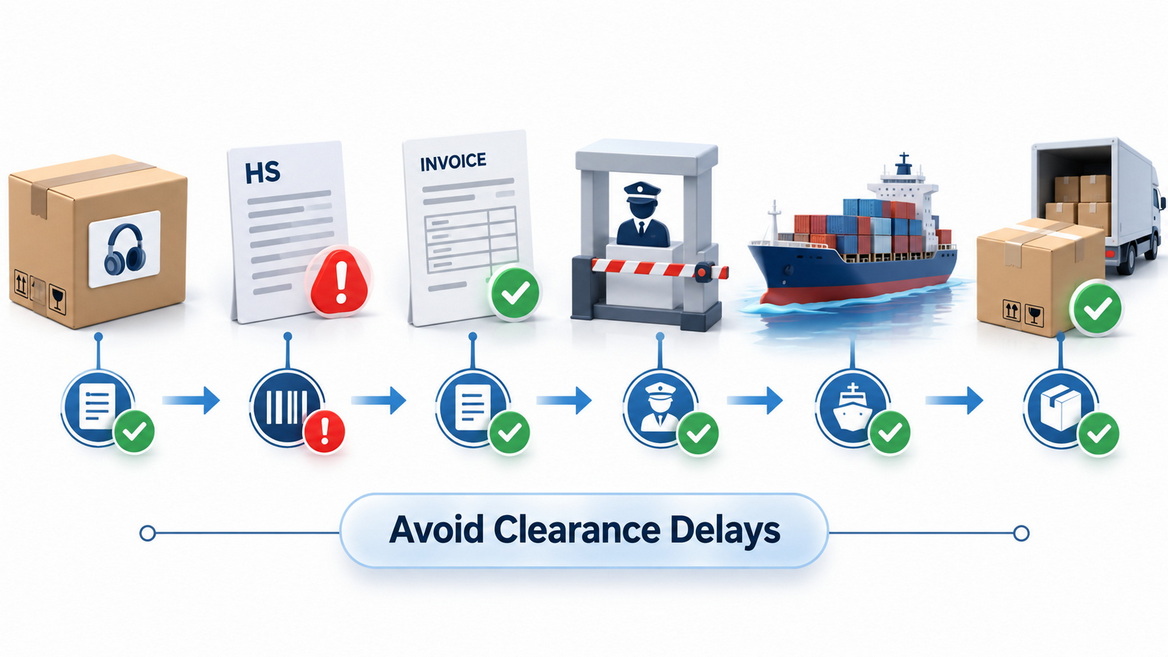
Some suppliers or logistics providers may suggest declaring a lower shipment value to reduce duties and taxes. This creates substantial risk for the importer.
Potential consequences include:
- Customs penalties.
- Shipment seizure.
- Delayed clearance.
- Insurance claim difficulties.
- Accounting discrepancies.
- Import tax issues.
- Post-entry customs audits.
- Brand and marketplace compliance issues.
Buyers should use accurate transaction values and maintain purchase orders, supplier invoices, payment records, contracts, freight invoices, insurance documents, royalty agreements, and other supporting records.
DDP shipping can simplify logistics, especially for small importers. However, it should never be treated as a shortcut around import compliance.
Before agreeing to DDP shipping, buyers should confirm:
- Who is the importer of record.
- Who pays duties and taxes.
- Whose tax registration or VAT number is used.
- Whether the declared customs value is accurate.
- Whether the buyer receives import documentation.
- Whether the product is legally compliant in the destination market.
- Who is responsible if customs changes the duty amount.
- Who handles customs inspections or cargo holds.
Customs clearance does not automatically mean that a product can legally be sold in the destination country.
Depending on the market and product category, buyers may need to consider:
- CE marking.
- RoHS compliance.
- REACH obligations.
- FCC certification.
- FDA registration.
- UL testing.
- CPSIA documentation.
- UKCA marking.
- WEEE obligations.
- Energy-efficiency labels.
- Packaging regulations.
- Battery transport reports.
- Local language labels.
- Country-of-origin markings.
- Trademark authorization.
Buyers should verify market-access requirements before production starts, not after cargo has been shipped.
One of the most underestimated customs risks occurs when buyers consolidate products from multiple factories.
A buyer may have three suppliers:
- Supplier A produces the main product.
- Supplier B produces packaging materials.
- Supplier C produces accessories.
Each supplier may issue its own commercial invoice, packing list, carton marks, product descriptions, and payment records. Once the cargo is consolidated, the freight forwarder may prepare a combined shipment document package.
Problems can occur if the final documents do not reconcile correctly.
For example:
- The total value on the master invoice does not match supplier invoices.
- The number of cartons on the packing list does not match warehouse receiving records.
- The bill of lading uses a vague product description.
- One supplier's goods contain batteries while the consolidated documents do not mention them.
- Different suppliers use different HS-code descriptions for similar products.
- A supplier lists FOB terms while the buyer uses DDP for the final shipment.
- Product labels do not match the invoice description.
- The customs declaration identifies the wrong exporter.
The best solution is to prepare a master shipment reconciliation sheet before loading.
A strong reconciliation sheet should include:
| Item | Required Information |
|---|---|
| Supplier name | Legal company name and factory address |
| Purchase order number | Buyer’s internal PO reference |
| Product description | Detailed customs-ready description |
| SKU or model number | Product identification |
| Quantity | Units per supplier and total shipment |
| Carton count | Number of cartons received |
| Net weight | Product-only weight |
| Gross weight | Including packaging |
| Carton dimensions | Length, width, height, and total CBM |
| Unit price | Purchase value per unit |
| Total value | Supplier total and shipment total |
| Proposed HS code | Classification reference for review |
| Country of origin | Manufacturing origin |
| Certification status | CE, RoHS, FCC, UN38.3, or other requirements |
| Battery or chemical status | Relevant for transport and customs |
| Destination-market notes | Labels, licensing, or importer requirements |
Buyers working with multi-supplier orders should ask their freight forwarder whether it can provide warehouse receiving records, carton photos, weight and measurement reports, cargo discrepancy notices, and final consolidated document verification before departure.
Before asking for freight or customs clearance pricing, prepare the following information:
- Product name.
- Product photos.
- Product specifications.
- Product materials.
- Product function and intended use.
- Model number.
- Brand name.
- Quantity.
- Carton count.
- Carton dimensions.
- Gross weight.
- Net weight.
- Total shipment value.
- Currency.
- Supplier pickup address.
- Cargo-ready date.
- Destination country.
- Destination postal code.
- Delivery address type.
- Required delivery date.
- Incoterm.
- Importer-of-record details.
- Battery, chemical, liquid, food, wood, or dangerous-goods status.
- Required certifications.
- Special delivery instructions.
The more complete the shipment profile, the more accurate the transport and customs plan will be.
The Incoterm determines who is responsible for transport costs, insurance, export formalities, import formalities, duties, taxes, and delivery.
Common terms include:
- EXW: The buyer handles pickup from the supplier's factory.
- FOB: The seller delivers goods to the export port and completes export procedures.
- CIF: The seller pays freight and insurance to the destination port, but the buyer handles import customs clearance.
- DAP: The seller delivers goods to the named destination, while the buyer handles import duties and taxes.
- DDP: The seller delivers goods cleared for import with duties and taxes paid.
- FCA: The seller delivers goods to a named carrier or place.
- CPT: The seller pays carriage to the agreed destination, while import duties remain the buyer's responsibility.
Buyers should ensure that the commercial invoice, purchase order, freight quotation, and customs plan all use the same agreed Incoterm.
A full landed-cost analysis should include:
- Product cost.
- Inland trucking in China.
- Warehouse receiving.
- Consolidation.
- Export customs declaration.
- Port or airport handling.
- Ocean, air, rail, or express freight.
- Fuel surcharges.
- Security surcharges.
- Customs brokerage.
- Import duty.
- VAT, GST, sales tax, or other import taxes.
- Destination terminal charges.
- Inspection charges.
- Storage charges.
- Cargo insurance.
- Final-mile delivery.
- Delivery appointment charges.
- Unloading charges.
- Demurrage and detention risk.
A freight quote that looks lower at the beginning may become more expensive after destination charges are added.
The first communication with a freight provider often reveals whether the company is suitable for long-term cooperation.
A professional provider should ask questions about:
- Cargo type.
- Product value.
- Battery status.
- Product materials.
- Shipping terms.
- Supplier locations.
- Destination requirements.
- Importer setup.
- Delivery deadline.
- Packaging method.
- Certificates and licenses.
- Cargo insurance.
- Special handling requirements.
Be cautious if a provider offers an immediate "all-inclusive" price without asking what product is being shipped, where it is being delivered, or who will handle customs responsibilities.
Before awarding large-volume business, consider a controlled trial shipment.
Use the trial to measure:
- Response speed.
- Quotation clarity.
- Documentation accuracy.
- Cargo pickup reliability.
- Warehouse reporting.
- Export customs handling.
- Tracking updates.
- Destination coordination.
- Delivery performance.
- Invoice accuracy.
- Problem-solving ability.
- Communication during delays or customs questions.
A provider that handles a small shipment responsibly is more likely to be capable of supporting larger and more complex shipments later.
A reliable Customs Clearance Service provider should help buyers manage more than freight bookings. It should support document preparation, export declarations, product information review, supplier coordination, warehouse handling, transport planning, destination clearance communication, and delivery execution.
The best provider depends on the buyer's shipment type and operating model. Large industrial companies may need integrated supply-chain resources. E-commerce sellers may need warehouse, labeling, consolidation, and DDP shipping support. Buyers shipping urgent samples may benefit from express customs brokerage. Importers with regulated or complex products may need customs consulting in addition to transport services.
For businesses sourcing from China and shipping to global markets, GB FREIGHT AGENCY CO., LTD. can be a practical option for flexible supplier coordination, multi-supplier consolidation, export customs declaration, multimodal transportation, DDP shipping, warehouse services, dangerous goods handling, project cargo, and door-to-door logistics planning.
A successful international shipment begins before cargo leaves the supplier's factory. Clear product data, accurate documents, verified responsibilities, transparent pricing, and an experienced freight partner can reduce customs risk and help goods move from China to their final destination with greater predictability.
Ask for the exact legal entity name, registration number, certificate number, issuing authority, issue date, expiry date, and the scope covered by the credential. Then verify it through the issuing organization or regulator where possible.
For example, an ISO certificate should identify the certified legal entity and scope of activities. An AEO certification should be checked through the relevant customs administration or official disclosure platform. An IATA, FIATA, NVOCC, or customs-broker credential should not be assumed to apply to every branch office or destination market. China's customs credit-management system recognizes Advanced Certified Enterprises and Certified Enterprises as AEO entities, with associated facilitation benefits and mutual-recognition implications where applicable.
Not always directly. Many China freight forwarders arrange destination clearance through an overseas agent or a local customs broker. Ask whether destination brokerage is included in the quote, identify the broker's legal name, and confirm who acts as importer of record.
For U.S.-bound shipments, also clarify whether the forwarder will file ISF, who provides the required data, and who is liable for late or inaccurate filing. SEKO, for example, identifies ISF/10+2 and remote location filing among its customs-related offerings.
Sometimes, but you should treat it carefully. Under a DDP arrangement, the seller is generally responsible for delivering goods cleared for import and paying applicable duties and taxes. In practice, many "DDP" offers use different importer structures. You need written confirmation of whose registration is being used, whether the arrangement is lawful in the destination market, and whether you will receive proper import documentation.
If you are building a long-term brand, selling through retailers, importing regulated goods, claiming input tax, or scaling into multiple markets, it is often safer to establish a compliant importer-of-record structure rather than relying indefinitely on an opaque DDP arrangement.
At a minimum, prepare a commercial invoice, packing list, detailed product description, quantity, unit price, total value, gross and net weight, carton dimensions, factory address, pickup date, destination, Incoterm, and importer contact information.
For specialized goods, add product specifications, photos, ingredient lists, material composition, MSDS/SDS, battery test reports, UN38.3 documentation, CE/RoHS/REACH/FCC/FDA records, certificates of origin, licenses, brand authorization letters, or inspection certificates where relevant. FedEx advises that commodity descriptions should be detailed, accurate, and consistent across shipment documents.
The fastest method is prevention: finalize documents before cargo handover, use a precise product description, align invoice and packing-list data, confirm HS-code responsibility, validate importer details, ensure product compliance, and provide the destination broker with documents early.
FedEx's guidance stresses accurate value declaration, detailed commodity descriptions, correct document completion, and consistency across all customs paperwork as essential practices to avoid clearance delays.
1. GB FREIGHT AGENCY CO., LTD. — [Contact Us and Service Scope]
2. FedEx China — [Customs Clearance Requirements]
3. FedEx China — [Handling Customs Clearance]
4. FIATA — [International Freight Forwarding Association Information]
5. China Briefing — [China Customs Enterprise Credit Management Rules 2026]
6. SEKO Logistics — [International Freight Customs Clearance]
7. Sinotrans Logistics — [Automobile and New Energy Logistics]


