
Views: 277 Author: GB FREIGHT Publish Time: 2026-08-16 Origin: Site


Content Menu
● Why Choosing a China Freight Forwarder Matters
● What Makes a Reliable Sea Freight Forwarder?
>> Proven Supplier Coordination
>> Customs and Documentation Capability
>> Responsive Shipment Management
● GB FREIGHT AGENCY CO., LTD.: China-to-World Shipping Support
● FCL vs. LCL: Which Ocean Freight Option Fits?
● A Practical Booking Checklist
● Understanding Door-to-Door and DDP Shipping
● Questions to Ask Before Appointing a Forwarder
● Work With GB FREIGHT AGENCY CO., LTD.
● FAQs
>> What information do I need for a sea freight quote from China?
>> Is FCL always cheaper than LCL shipping?
>> How can I avoid hidden freight charges?
>> How long does sea freight from China take?
>> Can one freight forwarder collect goods from multiple Chinese suppliers?
>> What is the difference between door-to-door shipping and DDP?
>> Do I need cargo insurance for sea freight?
Choosing among the top sea freight forwarders in China is not simply a matter of finding the lowest ocean freight rate. For importers, distributors, manufacturers, and e-commerce businesses, the right partner must coordinate suppliers, secure space, prepare export paperwork, manage customs requirements, and keep delivery moving when schedules change.
GB FREIGHT AGENCY CO., LTD. brings 15 years of international logistics experience to shipments moving from China to Europe, North America, South America, Southeast Asia, the Middle East, Africa, and Oceania. From supplier booking coordination to export customs clearance, ocean transport, and final delivery, we build practical transport plans around the cargo, destination, deadline, and budget.

A freight forwarder is the operational bridge between your Chinese suppliers and your destination market. The service can include far more than arranging a container booking.
A capable China freight forwarder helps manage:
- Supplier pickup and cargo readiness checks
- FCL and LCL booking coordination
- Export declarations and shipping documents
- Container loading supervision and consolidation
- Ocean freight and transshipment planning
- Destination customs coordination
- Door-to-door delivery and last-mile scheduling
- Shipment updates when vessel schedules or port conditions change
The value becomes especially clear when a shipment involves several factories, mixed product categories, strict delivery deadlines, or a destination with detailed import requirements.
Freight costs can change quickly when carriers reroute vessels, ports become congested, or equipment availability tightens. UN Trade and Development reported major rate increases in 2024 on several routes from Shanghai, including an average rate above USD 9,000 per TEU to South America during January–July. That environment makes clear communication and route planning as important as the initial quote.
The best sea freight forwarder in China is the one that fits your shipping profile—not necessarily the company with the largest marketing budget or the cheapest first quotation.
A professional quotation should explain what is included and what may remain variable. Ask for a written breakdown covering:
- Origin pickup or factory delivery terms
- Export declaration and handling charges
- Ocean freight
- Documentation fees
- Destination port or terminal charges
- Customs clearance charges
- Duties and taxes, where applicable
- Final delivery costs
- Demurrage, detention, storage, or inspection risks
A low headline freight rate can become expensive if local charges, peak-season surcharges, inspection costs, or delivery fees are unclear.
Many overseas buyers do not ship from one factory. They may purchase components from Shenzhen, packaging from Dongguan, and finished goods from Ningbo. In this situation, supplier coordination affects both cost and delivery reliability.
An experienced forwarder should be able to collect cargo, confirm carton counts and dimensions, arrange consolidation, and provide loading evidence when needed. This reduces the risk of incomplete shipments, damaged cartons, and last-minute space problems.
Documentation errors can delay cargo even when the vessel arrives on schedule. Common documents include the commercial invoice, packing list, bill of lading, certificates of origin where required, and product-specific compliance records.
The bill of lading is particularly important because it can function as a carriage contract, cargo receipt, and—depending on its type—a document connected to control of the goods. Before cargo departs, verify that the shipper name, consignee, commodity description, package count, weight, and destination details match your commercial documents.
Ocean freight is not fully predictable. A vessel can roll cargo, omit a port, miss a connection, or arrive later than planned. The right forwarder should identify changes early and provide a usable update—not merely send a tracking link.
Look for a team that can explain:
- What changed
- How the change affects the estimated arrival
- Whether customs or warehouse appointments need adjustment
- Which alternatives are available
- Who is responsible for the next action
GB FREIGHT AGENCY CO., LTD. provides international freight solutions for businesses moving goods from China to global markets. With 15 years of operational experience, our work begins before the vessel departs—not after the booking confirmation is issued.
We support importers and exporters who need a practical, cost-conscious logistics partner across the complete shipping process.
| Service | What It Helps You Manage |
|---|---|
| Supplier booking coordination | Aligning factory cargo readiness, pickup timing, labels, and delivery to the warehouse or port |
| Ocean freight | FCL and LCL options from China to major global destinations |
| Export customs clearance | Preparing and coordinating export declarations and required shipping paperwork |
| Cargo consolidation | Combining goods from multiple suppliers into one more efficient shipment |
| Door-to-door transport | Coordinating freight, import handling, and delivery to the final address |
| Destination support | Assisting with destination-side transport arrangements and delivery planning |
| Route comparison | Comparing sea, rail, air, and multimodal options based on urgency and budget |
Our approach is straightforward: understand the shipment before recommending the method. A 40-foot container of machinery, a consolidated shipment of retail goods, and urgent replacement components should not follow the same logistics plan.
We arrange freight from China to key global regions, including:
- Europe
- United States and Canada
- Mexico, Brazil, Chile, and other South American markets
- Southeast Asia
- Middle East markets
- African destinations
- Australia, New Zealand, and Oceania
Route availability, transit time, and local import requirements vary by destination. A good transport plan considers not only the ocean leg but also destination clearance capacity, delivery location, cargo classification, and seasonal demand.
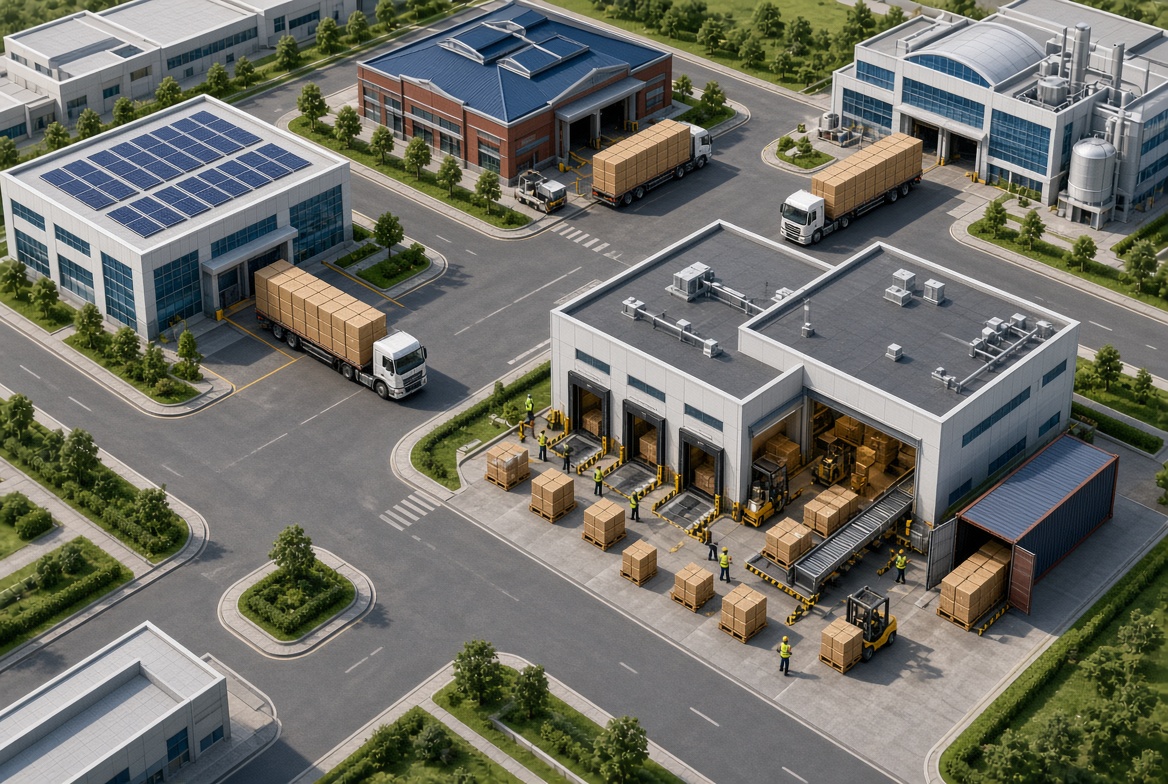
The right shipping mode depends on volume, cargo characteristics, timing, and total landed cost.
| Option | Best For | Main Advantage | Important Consideration |
|---|---|---|---|
| FCL | Larger shipments or cargo needing container control | Dedicated container space and simpler handling | You pay for the container, even if it is not fully loaded |
| LCL | Smaller shipments that do not justify a full container | You pay for the volume used | More warehouse handling and consolidation can add time |
| Door-to-door ocean service | Buyers who want coordinated transport to the final address | Fewer handoffs and easier accountability | Terms, duty treatment, and destination scope must be confirmed |
| Rail or multimodal | Certain China–Europe lanes with mid-range urgency | Can balance speed and cost | Coverage and schedules differ by route |
For example, if you import 8 CBM of packaged lighting products from three suppliers in Guangdong, LCL consolidation may reduce your total transport cost compared with booking a full container. However, if the products are fragile, high-value, or time-sensitive, a dedicated FCL shipment or another transport mode may offer better risk control.
Before requesting a quote from a sea freight forwarder in China, prepare the following information. It helps the forwarder provide a more accurate recommendation and reduces surprises after booking.
1. Provide the pickup city or supplier address in China.
2. State the final destination, including postal code for door delivery.
3. Confirm whether you need FCL, LCL, port-to-port, or door-to-door service.
4. Share cargo details: product name, carton count, dimensions, gross weight, and total volume.
5. Identify whether the goods include batteries, liquids, chemicals, magnets, wood packaging, oversized pieces, or other special cargo.
6. Confirm your target cargo-ready date and required arrival window.
7. Clarify the agreed trade term with your supplier, such as EXW, FOB, CIF, or DDP.
8. Request a written explanation of included charges, excluded charges, and possible destination-side costs.
This preparation allows both sides to make decisions based on the total landed cost, rather than only the ocean freight number.
Door-to-door shipping can simplify the process because one logistics provider coordinates the journey from a supplier or warehouse in China to the final delivery point.
Under Delivered Duty Paid terms, the seller carries extensive responsibilities. These can include export formalities, international transport, import clearance, duties, taxes, and delivery to the named destination. However, DDP is not automatically suitable for every shipment or every country.
Before selecting this arrangement, confirm:
- Who will act as importer of record
- Whether the product can be legally imported under the proposed structure
- Whether duties, VAT, GST, and customs clearance are included
- The exact final delivery address and unloading responsibilities
- Whether your product needs local registration, testing, or certification
- The service provider's written scope of responsibility
For some importers, port-to-port or FOB shipping provides more control. For others—especially businesses without local customs resources—a coordinated door-to-door solution can save time and reduce operational complexity.
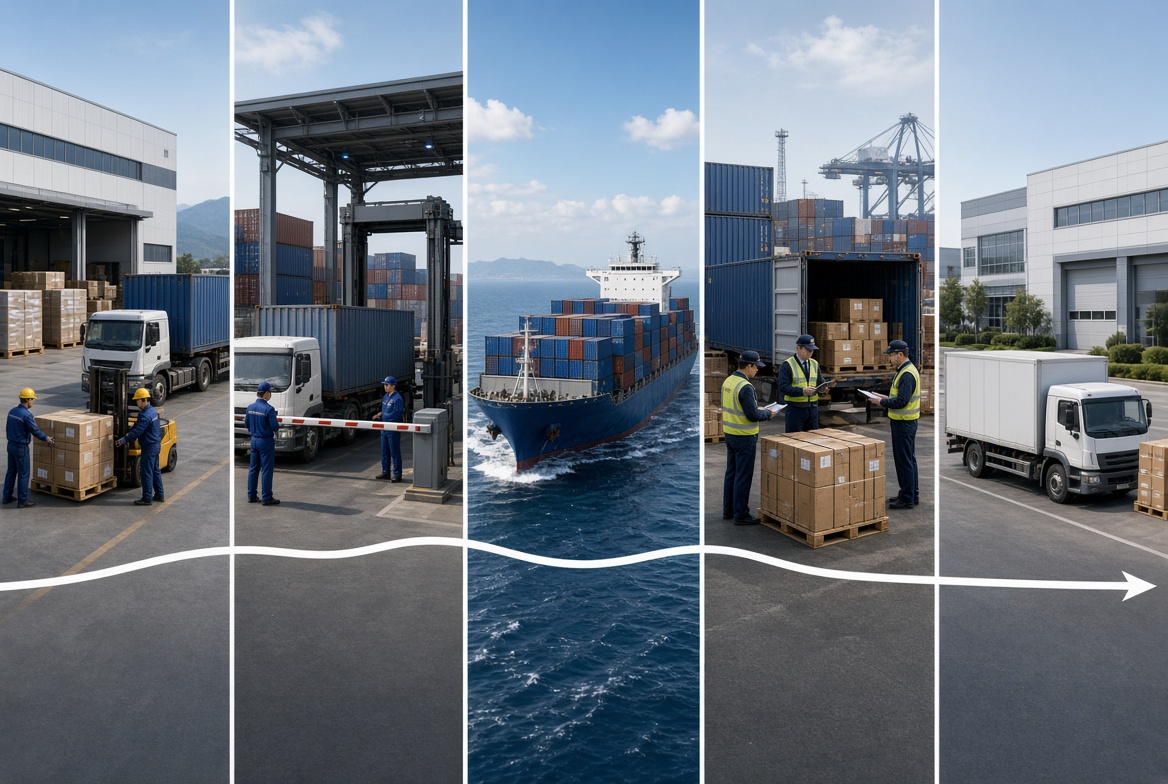
Use these questions to compare service quality, not merely pricing:
- Can you provide a detailed quote with all known origin and destination charges?
- Which shipping line and routing do you recommend, and why?
- What is the estimated transit time and how often does the service depart?
- How will you coordinate with my suppliers in China?
- Can you consolidate cargo from multiple factories?
- Who handles export customs clearance?
- What documents do you require before cargo is collected?
- How will you notify me about delays, rolled bookings, or customs issues?
- Do you offer cargo insurance support?
- What is the escalation contact if an urgent issue occurs?
A trustworthy freight forwarder should answer these questions clearly before asking you to commit cargo.
Your freight plan should match your cargo, supply chain, and commercial priorities. Whether you need consolidated LCL shipping, a full container, export customs coordination, or final delivery abroad, GB FREIGHT AGENCY CO., LTD. can assess the shipment and recommend a cost-effective route.
Send us your pickup location, destination, cargo dimensions, weight, product description, and ready date. Our team will help you compare the suitable shipping method and build a transport plan from China to your final market.
Provide the supplier location, destination port or full delivery address, product description, number of packages, dimensions, gross weight, total CBM, cargo-ready date, and required shipping terms. Mention special cargo such as batteries, liquids, dangerous goods, or oversized machinery.
Not always. FCL can become more economical when cargo volume is high enough to use most of a container. For smaller shipments, LCL often has a lower total transport cost, although it may require more handling and longer consolidation time.
Ask for a written, itemized quote before booking. Confirm origin fees, ocean freight, documentation, destination charges, customs fees, taxes, delivery costs, and potential charges for storage, demurrage, detention, inspection, or delays.
Transit time varies by Chinese port, destination, carrier schedule, routing, transshipment, port congestion, customs clearance, and final delivery location. Your forwarder should provide an estimated schedule for the specific route rather than a generic transit-time promise.
Yes. A forwarder can arrange collection, warehouse receiving, cargo checks, consolidation, and shipment under one booking. This is often useful for buyers sourcing from several factories in different Chinese cities.
Door-to-door describes the physical transport scope from origin to final address. DDP is a trade term that generally places broad delivery, customs, duty, and tax responsibilities on the seller. Always confirm the exact commercial and customs arrangement in writing.
Insurance is worth considering because ocean transit involves handling, weather exposure, port operations, and schedule disruptions. The appropriate coverage depends on cargo value, packaging, trade terms, exclusions, and your risk tolerance.
1. [UN Trade and Development — Review of Maritime Transport 2024]
2. [International Trade Administration — Bill of Lading Export Guide]
3. [Maersk — Delivered Duty Paid (DDP) Explained]


