
Views: 271 Author: GB FREIGHT Publish Time: 2026-09-20 Origin: Site


Content Menu
● What Determines International Shipping Cost From China?
>> Main Factors That Affect Freight Cost
● Choosing the Right Shipping Method From China
>> Express Shipping From China
● How to Estimate Your Total Landed Cost
>> Information to Prepare Before Requesting a Freight Quote
>> Why Incoterms Affect Your Final Cost
● Customs Clearance for International Shipments From China
>> Common Customs Clearance Risks
>> Standard Shipping Documents From China
● A Smarter Freight Planning Process
>> Step 1: Confirm the Shipping Terms Before Production Begins
>> Step 2: Verify Final Cargo Details Before Booking
>> Step 3: Request an Itemized Freight Quote
>> Step 4: Match Transport Speed With Inventory Needs
>> Step 5: Establish a Supplier Shipping Checklist
● Global Freight Solutions From China
>> Our International Freight Services Include
>> How much does international shipping from China cost?
>> Is air freight from China cheaper than express shipping?
>> When should I choose LCL instead of FCL shipping?
>> What is the difference between EXW and FOB shipping terms?
>> What documents are needed to ship goods from China?
Shipping goods internationally from China is not simply about finding the lowest freight rate. The more important goal is to manage your total landed cost, reduce customs risks, and select a shipping plan that fits your cargo volume, delivery deadline, and commercial priorities.
For importers shipping from China to Europe, North America, South America, Southeast Asia, the Middle East, Africa, and Oceania, GB FREIGHT AGENCY CO., LTD. provides coordinated freight solutions from supplier booking to export customs clearance, international transportation, and final delivery.
With 15 years of international logistics experience, our team helps businesses move cargo from China with better cost control, clearer communication, and practical support at every stage of the shipping process.
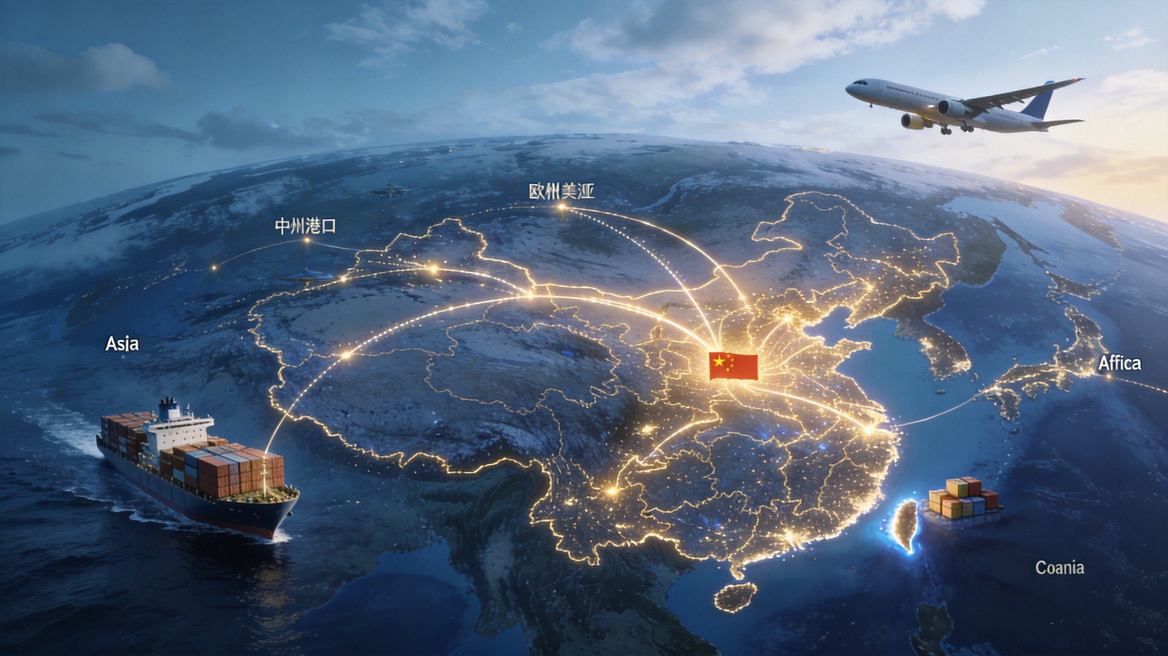
International shipping cost from China is influenced by far more than the basic rate shown in a freight quote. Importers should look beyond the ocean freight, air freight, or courier charge and consider every cost required to move goods from a Chinese supplier to the final destination.
A lower base rate may exclude factory pickup, China export handling, customs declaration, terminal fees, destination charges, import clearance, taxes, duties, cargo insurance, and local delivery. These items can substantially change the final cost of your shipment.
A complete landed-cost calculation usually includes:
Landed Cost=Product Cost+Origin Charges+International Freight+Insurance+Duties and Taxes+Destination Charges+Final Delivery
This is why businesses should compare freight quotations line by line rather than choosing a forwarding provider based only on the lowest advertised transport rate.
The following factors usually have the largest impact on the total shipping cost from China:
- Cargo weight and volume, especially for air freight and courier shipments.
- Shipping method, such as express courier, air freight, LCL sea freight, FCL sea freight, rail freight, trucking, or multimodal transport.
- Pickup location in China, including the distance from the supplier to the export port or airport.
- Destination country and delivery address, including whether delivery is to a commercial warehouse, port, airport, residential address, or remote area.
- Port pair and route availability, including direct services, transshipment routes, vessel schedules, and airline capacity.
- Cargo-ready date, especially during peak shipping seasons or periods of limited carrier capacity.
- Incoterms, which determine the division of costs, risks, customs obligations, insurance responsibilities, and delivery duties between buyer and seller.
- Commodity type, including dangerous goods, batteries, liquids, magnets, oversized cargo, temperature-sensitive products, branded goods, and products requiring special certificates.
- Import customs requirements, including HS code classification, product compliance, customs value, importer registration, and local taxes.
- Final-mile delivery requirements, such as warehouse appointments, Amazon FBA delivery, pallet delivery, liftgate service, residential service, or special unloading arrangements.
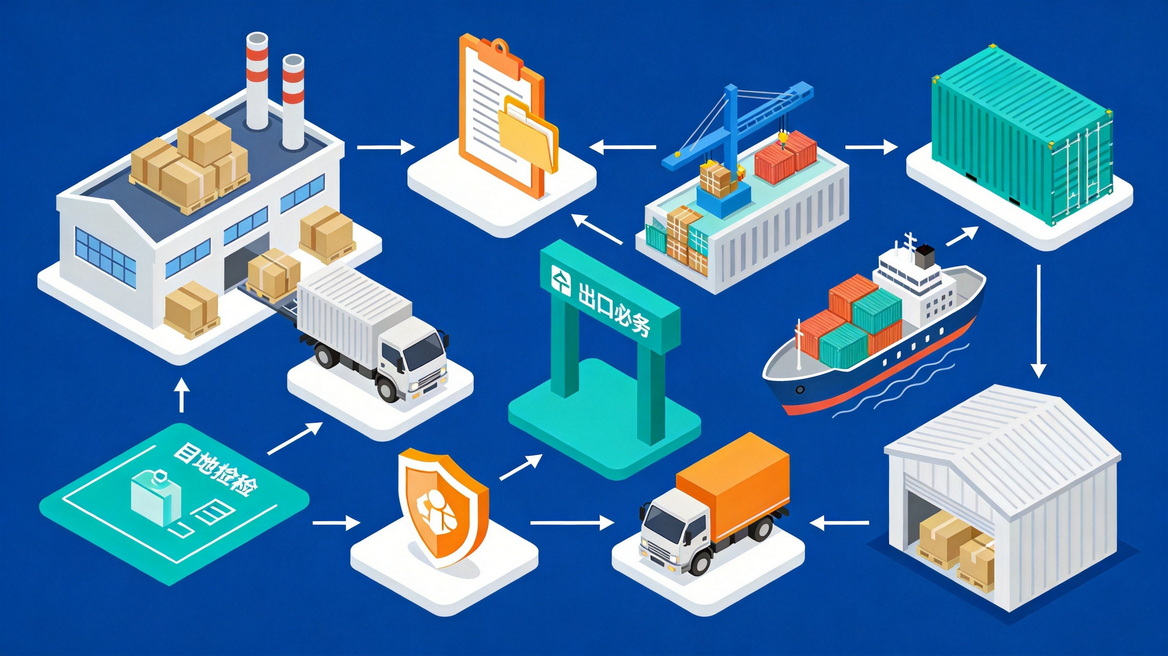
Choosing the right shipping method depends on the urgency of the shipment, the size and weight of the cargo, the destination, inventory planning, and the cost per unit you are willing to accept.
There is no single best shipping method for every importer. Express shipping may be ideal for small urgent samples, while ocean freight may offer better unit economics for large commercial shipments.
| Shipping Method | Best For | Main Advantage | Important Consideration |
|---|---|---|---|
| Express courier | Samples, documents, small urgent packages | Fast door-to-door transport | High cost per kilogram |
| Air freight | Time-sensitive commercial cargo | Faster than sea freight | Weight and volume strongly affect pricing |
| LCL sea freight | Shipments too large for air but too small for a full container | Cost-effective for smaller ocean shipments | More handling and longer consolidation process |
| FCL sea freight | Large orders and container-load shipments | Better cost per unit and more cargo control | Requires earlier planning and container availability |
| Rail freight | Selected China-to-Europe trade lanes | A balance between air and ocean transit time | Service availability depends on route and destination |
| Multimodal freight | Complex door-to-door movements | Combines sea, air, rail, and trucking | Needs careful coordination among multiple providers |
Express shipping is commonly used for urgent documents, product samples, replacement parts, prototype orders, small e-commerce packages, and time-sensitive shipments.
It is often the easiest option because it generally provides a door-to-door process. Pickup, export handling, international transportation, customs processing, and final delivery may be coordinated through one service network.
However, express shipping can become expensive as package weight and volume increase. It is usually more suitable for speed-critical cargo than for routine large-volume replenishment.

Air freight is a practical option when delivery speed matters but the shipment is too large or too valuable for express courier service.
Air freight charges are usually based on chargeable weight, which may be either the actual gross weight or the volumetric weight. If the cargo is lightweight but takes up substantial space, the volumetric weight may be higher than the actual weight.
For example, large cartons filled with lightweight packaging products, plastic goods, textiles, cushions, promotional materials, or household items may be charged according to volume rather than scale weight.
Common air freight cost items can include:
- Airport-to-airport freight.
- Pickup from the Chinese supplier.
- Export customs declaration.
- Terminal handling charges.
- Fuel and security surcharges.
- Documentation charges.
- Destination handling.
- Import customs clearance.
- Duty and tax payments.
- Local delivery to the consignee's warehouse.
Air freight works particularly well when delayed inventory would lead to lost sales, production downtime, missed retail deadlines, or urgent customer delivery commitments.
LCL, or less-than-container-load shipping, is designed for cargo that does not require a full shipping container. Your goods are consolidated with shipments from other exporters and importers.
LCL shipping can be a suitable option when:
- The cargo is too large or heavy for economical air freight.
- The shipment volume does not justify booking a full container.
- Your business can accept a longer transit and handling time.
- You want to control transport spending while shipping regular replenishment orders.
- Your supplier can deliver cargo to a consolidation warehouse or arrange pickup.
Because LCL cargo goes through consolidation and deconsolidation, it may be handled more frequently than full-container cargo. Proper carton marking, accurate packing lists, durable packaging, and clear shipping instructions are important.
FCL, or full-container-load shipping, is generally suitable for importers with enough goods to fill most or all of a 20-foot, 40-foot, or 40-foot high-cube container.
A dedicated container can provide stronger control over cargo loading, seal management, supplier coordination, and transport planning.
FCL is often preferred for:
- Regular import programs.
- Large wholesale orders.
- Furniture, machinery, building materials, packaging products, consumer goods, and industrial supplies.
- Fragile or sensitive cargo that should not be mixed with goods from other shippers.
- Factory-loaded containers.
- Seasonal inventory shipments.
- Buyers seeking lower logistics cost per unit.
For containerized ocean freight, the total verified weight of the packed container must be submitted before loading. Incorrect weight information can create safety risks, operational delays, or cargo loading problems.
The most reliable way to estimate international shipping cost from China is to provide complete cargo information before asking for a freight quotation.
Incomplete information can lead to inaccurate estimates, quote revisions, booking delays, insufficient customs documents, or unexpected charges after the cargo has already moved.
A detailed quote request should include:
1. Supplier pickup address in China, including city, district, factory address, and contact person.
2. Final delivery address, including postal code, warehouse type, business hours, and delivery restrictions.
3. Cargo-ready date, meaning the date when the goods are packed and available for pickup.
4. Clear commodity description, with specific product names rather than vague descriptions such as "general cargo."
5. HS code, if known, or enough technical product information to support preliminary classification.
6. Number of cartons, pallets, crates, or containers.
7. Package dimensions, including length, width, and height for each package type.
8. Gross weight and net weight.
9. Cargo value and currency, especially when arranging cargo insurance or preparing customs documents.
10. Preferred transport method, such as express, air freight, LCL, FCL, rail, or door-to-door shipping.
11. Required arrival date, including whether the date is flexible.
12. Incoterm, such as EXW, FOB, FCA, CIF, DAP, or DDP.
13. Special cargo requirements, including batteries, dangerous goods, wood packaging, oversized pieces, temperature control, insurance, or warehouse delivery appointments.
A complete packing list is essential because it identifies the contents, packaging type, carton count, weights, measurements, and marks for each shipment. This information supports freight costing, warehouse handling, shipping documentation, and customs inspection.
Suppose your company imports lighting products from Ningbo, China, to a warehouse in Toronto under EXW terms.
The supplier's product price is USD 18,000. The final logistics budget may include the following elements:
| Cost Item | Example Amount |
|---|---|
| Product purchase price | USD 18,000 |
| Factory pickup and China origin handling | USD 850 |
| China export customs declaration | USD 150 |
| Ocean freight and carrier-related charges | USD 2,200 |
| Cargo insurance | USD 120 |
| Destination handling and customs brokerage | USD 780 |
| Import duties and taxes | Varies by product classification |
| Final delivery to warehouse | USD 450 |
The ocean freight amount alone does not show the full cost of importing the cargo. A business should compare the complete financial impact of each shipment option, including the product price, origin-side charges, transport charges, destination charges, and import obligations.
Incoterms define how costs, responsibilities, and risks are divided between the seller and buyer.
For example:
- EXW means the seller generally makes the goods available at its premises. The buyer is usually responsible for pickup, loading, export procedures, main transport, insurance, import clearance, taxes, duties, and final delivery.
- FOB means the seller is generally responsible for export procedures and for loading the cargo on board the vessel at the named port. The buyer normally arranges and pays for the main transport, insurance, destination handling, import clearance, duty, tax, and delivery.
- CIF means the seller arranges ocean freight and insurance to the named destination port, but the buyer still usually manages destination charges, customs clearance, duty, tax, and inland delivery.
- DAP means the seller arranges delivery to a named place, while the buyer generally takes responsibility for import customs clearance, duty, and taxes.
- DDP means the seller takes on the broadest delivery responsibility, including duty and tax obligations, subject to local import rules and the agreed shipping arrangement.
A supplier quotation should state the full Incoterm and the named location. For example, "FOB Ningbo Port" is clearer than simply stating "FOB China."
Customs clearance should be planned before cargo leaves the supplier. It is not only a destination-side procedure. Export documentation, product descriptions, packing data, values, origin declarations, and shipping records must all be aligned from the beginning.
GB FREIGHT AGENCY CO., LTD. supports China export customs clearance as part of a coordinated freight service. This helps exporters and importers prepare cargo for departure while reducing the risk of document inconsistencies.

The following issues can cause customs delays, additional inspections, cargo holds, storage charges, penalties, or delivery disruption:
- Vague commodity descriptions such as "parts," "accessories," "gift," or "general merchandise."
- Incorrect HS code classification.
- Different information on the commercial invoice, packing list, bill of lading, air waybill, customs declaration, and purchase order.
- Incorrect declared value or unsupported customs valuation.
- Missing certificates or licenses for controlled or regulated products.
- Undeclared batteries, liquids, chemicals, magnets, or dangerous goods.
- Incorrect country-of-origin information.
- Inaccurate package count, measurements, or gross weight.
- Unclear importer-of-record details.
- Missing local registrations, tax numbers, or product-compliance records.
Importers should understand their local import obligations even if a freight forwarder, broker, supplier, or delivery provider assists with the customs process.
Depending on the cargo type, shipping method, and destination, international shipments from China may require:
- Commercial invoice.
- Detailed packing list.
- Bill of lading for sea freight.
- Air waybill for air freight.
- Export customs declaration.
- Certificate of origin.
- Cargo insurance certificate.
- Import permit or license.
- Product compliance certificates.
- Battery declaration, MSDS, or dangerous-goods documents.
- Fumigation certificate or wood-packing declaration.
- Verified Gross Mass information for containerized ocean freight.
- Inspection certificates, where required.
Document consistency is critical. The product name, quantity, package count, weight, value, and origin details should match across all relevant documents.
The most efficient logistics programs are built before production is completed. Freight planning should be part of supplier negotiation, purchase-order planning, inventory control, and import compliance management.
Confirm the Incoterm, named port or delivery place, cargo-ready date, and supplier responsibilities before the purchase order is finalized.
This avoids disputes about whether pickup, export declaration, China port charges, container loading, or customs documents are included in the supplier's price.
Confirm the actual number of cartons, pallet count, package dimensions, gross weight, net weight, commodity description, cargo value, and cargo-ready date.
Do not rely on early production estimates when booking expensive freight. Small changes in carton dimensions can significantly affect air freight chargeable weight and LCL freight charges.
An effective freight quote should clearly show what is included and what is excluded.
Key quote items may include:
- China factory pickup.
- Warehouse receiving or consolidation.
- Export customs declaration.
- Origin terminal handling.
- Ocean, air, rail, or courier freight.
- Carrier surcharges.
- Documentation charges.
- Destination terminal charges.
- Customs clearance or brokerage service.
- Duty and tax treatment, if applicable.
- Cargo insurance.
- Final delivery.
- Quote validity period.
- Possible excluded charges, including inspections, storage, demurrage, detention, customs examinations, or special handling.
The lowest-cost transport method may not always be the most profitable option.
Ocean freight can reduce transportation cost per unit, but it requires longer inventory planning. Air freight costs more but can help prevent stockouts, missed product launches, production downtime, or urgent delivery failures.
Many importers use a mixed freight strategy:
- Ship stable, high-volume inventory by ocean freight.
- Use air freight for urgent replenishment.
- Use express courier for samples, documents, or emergency parts.
- Use FCL for planned large orders.
- Use LCL for smaller replenishment shipments that cannot wait for a full container.
A standard supplier checklist can improve shipment accuracy and reduce avoidable delays.
Ask suppliers to provide:
- Final commercial invoice.
- Final packing list.
- Product specifications.
- Clear cargo photos.
- Carton labels and shipping marks.
- Export-ready documentation.
- Special cargo declarations.
- Accurate cargo-ready date.
- Loading photos for container shipments.
- Contact information for the shipping coordinator.
This process supports better communication between the supplier, freight forwarder, customs team, overseas agent, and final delivery provider.
International cargo movement involves many participants: suppliers, truckers, consolidation warehouses, customs authorities, ports, airlines, shipping lines, overseas agents, customs brokers, and final-mile delivery partners.
When communication is unclear, a small document error or booking delay can affect the entire shipment schedule.
GB FREIGHT AGENCY CO., LTD. provides integrated freight services for companies shipping goods from China to worldwide destinations. Our solutions can be adapted to different cargo types, trade terms, budgets, and delivery requirements.
- Supplier booking coordination to align production completion, cargo pickup, and shipment schedules.
- China export customs clearance support for eligible export shipments.
- Ocean freight services for LCL and FCL cargo.
- Air freight services for urgent, valuable, or time-sensitive shipments.
- Door-to-door transport coordination from Chinese suppliers to final overseas destinations.
- Freight consolidation services for shipments from multiple suppliers.
- Multimodal transport planning combining sea, air, rail, trucking, and local delivery.
- Global shipping support for Europe, North America, South America, Southeast Asia, the Middle East, Africa, and Oceania.
- Cost-conscious routing based on cargo dimensions, weight, commodity, schedule, and destination requirements.
- Shipment visibility and communication throughout the transportation process.
Our purpose is not only to arrange freight space. We help businesses coordinate the details that determine whether international shipping is efficient, transparent, and commercially sustainable.
> Move your goods from China with a shipping plan built around your cargo, destination, delivery deadline, and landed-cost objectives. GB FREIGHT AGENCY CO., LTD. can coordinate pickup, export customs clearance, international freight, and final delivery for global shipments.
International shipping cost from China depends on the shipping method, cargo weight, cargo volume, supplier location, destination, route, season, carrier capacity, customs needs, delivery service, and applicable surcharges. A complete quote should include origin charges, international freight, destination charges, customs service, and delivery where applicable.
Air freight can be more economical than express shipping for some larger commercial shipments. The best option depends on chargeable weight, shipment volume, pickup fees, airport charges, customs requirements, and final delivery costs. Express shipping is usually more suitable for smaller, urgent parcels and samples.
LCL is suitable when your cargo is too large for air freight but does not fill a full container. FCL is generally preferable when your shipment volume is large enough to use most of a container, when you need more control over loading, or when you want to reduce the freight cost per unit.
Under EXW, the seller usually makes the cargo available at its premises and the buyer takes responsibility for most transportation and customs arrangements. Under FOB, the seller generally manages export procedures and loads the goods onto the vessel at the named port, while the buyer manages the main freight and import-side process.
Typical documents include a commercial invoice, packing list, bill of lading or air waybill, export customs declaration, and any required certificates, permits, insurance records, or dangerous-goods documents. The exact document list depends on the product, shipping method, and destination country.
1. Freightos. "[International Freight Shipping Costs & Rates Calculator]."
2. Freightos. "[Free Container Shipping Cost Calculator]."
3. Freightos. "[Air Freight Charges, Rates, Costs & Quotes]."
4. International Trade Administration. "[Know Your Incoterms]."
5. International Trade Administration. "[Packing List]."
6. International Trade Administration. "[Common Export Documents]."
7. International Maritime Organization. "[Verification of the Gross Mass of a Packed Container]."
8. International Maritime Organization. "[Safe Transport of Containers]."
9. U.S. Customs and Border Protection. "[Basic Importing and Exporting]."
10. U.S. Customs and Border Protection. "[Internet Purchases]."
11. ICC Academy. "[Incoterms® 2020: EXW or DDP?]."
12. ICC Academy. "[FOB & FAS Incoterms® 2020 Explained]."


