
Views: 279 Author: Jeaken Chan Publish Time: 2025-07-08 Origin: Jeaken Chan


| Item | Details |
| Client Type | Dutch electric bicycle brand owner / distributor |
| Cargo | Electric bicycles and separately packed UN3480 lithium-ion batteries (Class 9) |
| Shipment Volume | 1 × 40' Dry General Purpose Container (40GP) |
| Origin | Shenzhen, Guangdong, China |
| Port of Loading | Shekou Port, Shenzhen |
| Port of Destination | Rotterdam, Netherlands |
| Shipping Solution | Dangerous Goods (DG) documentation pre-check, cargo loading plan, dedicated DG vessel booking, European customs clearance support, and container delivery |
| Delivery Time | 41 days from factory loading to warehouse delivery |
| Key Results | DG documents approved, shipped on schedule, customs clearance and container release within 48 hours of arrival, and zero cargo damage |
Our client was a Dutch electric bicycle distributor sourcing electric bikes and lithium-ion batteries from manufacturers in Shenzhen, China. The shipment consisted of one 40GP container containing electric bicycles and separately packaged lithium-ion batteries, which needed to be transported together to Rotterdam, the Netherlands.
Unlike regular general cargo, this shipment required careful coordination of dangerous goods documentation, container loading, vessel booking, and European import procedures.
The main challenges included:
Lithium-ion batteries classified under UN3480 are Class 9 dangerous goods. Shipping lines require accurate and consistent documentation, including UN38.3 test reports, Material Safety Data Sheets (MSDS), Dangerous Goods Declarations (DGD), and Container Packing Certificates. Any discrepancies could result in booking rejection or shipment delays.
The separately packaged lithium batteries and electric bicycles needed to share the same container. Their placement, separation, securing, and protective measures had to be carefully planned to prevent crushing, impact, or cargo movement during transportation while complying with applicable dangerous goods stowage and segregation requirements.
Dangerous goods containers at Shekou Port are subject to earlier terminal cut-off deadlines than ordinary containers. Any delay in factory production or cargo preparation could result in missing the scheduled vessel. DG space availability was also limited, especially during busy shipping periods.
Lithium battery shipments entering Europe require accurate dangerous goods documentation and appropriate import clearance arrangements. Incomplete or inconsistent paperwork could trigger customs inspections, container detention, additional port charges, and delivery delays.
The customer discovered our company through Google search and contacted us after reviewing the dangerous goods shipping services presented on our website.
Before confirming the shipment, the customer wanted clear answers to four important questions:
Could electric bicycles and separately packaged UN3480 lithium-ion batteries be shipped together in one container?
What documents were required, including UN38.3 test reports, MSDS, and dangerous goods packaging certificates?
Could we secure a dedicated DG vessel booking from Shekou Port, and what were the applicable cut-off deadlines?
Could we assist with dangerous goods documentation coordination, import clearance, and final container delivery in the Netherlands?
The customer had previously experienced shipment delays with another freight forwarder. On one occasion, the shipping line rejected the dangerous goods documents because they did not meet its requirements. During peak season, another shipment was rolled over to a later vessel, delaying arrival by approximately two weeks and disrupting the customer's local sales plans.
To develop a suitable shipping solution, we first collected and reviewed:
Lithium battery models, rated energy (Wh), and quantities.
UN38.3 test reports and MSDS versions.
Battery packaging methods, including individual cartons and pallet arrangements.
Electric bicycle quantities, packaging specifications, and gross weight.
Factory loading location in Shenzhen and final warehouse delivery address in the Netherlands.
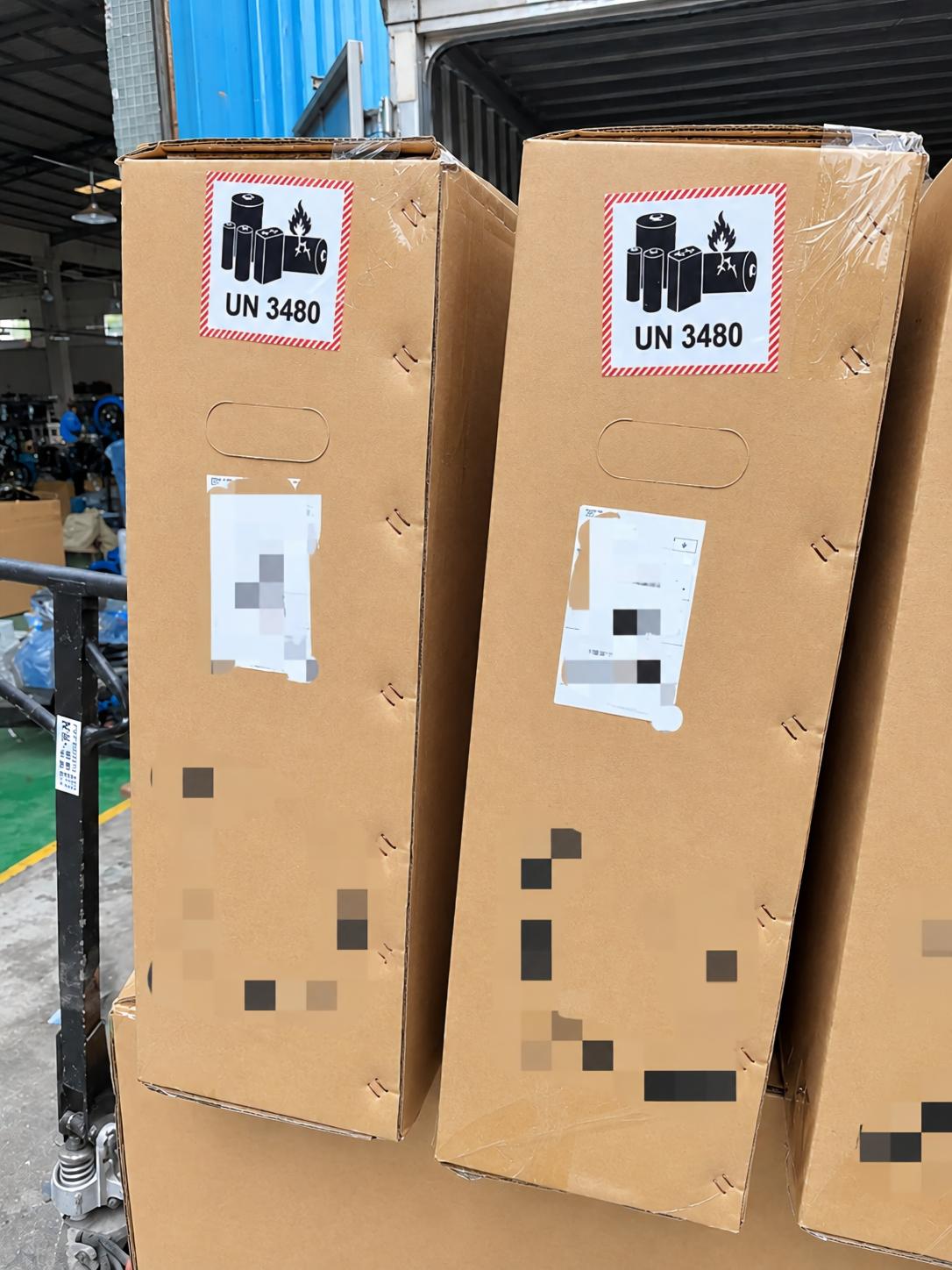
Based on the cargo characteristics and the customer's delivery requirements, we developed a three-part logistics solution.
Our dangerous goods logistics specialists reviewed the factory's UN38.3 test reports, MSDS documents, and battery packaging information before submitting the booking application.
We also guided the factory through the applicable dangerous goods packaging and marking requirements, including:
UN packaging identification and applicable packaging documentation.
Class 9 dangerous goods labels.
Lithium battery marks, where required.
Dangerous Goods Declaration preparation.
Container Packing Certificate documentation.
This preliminary review helped identify documentation inconsistencies before the shipping line's formal approval process.
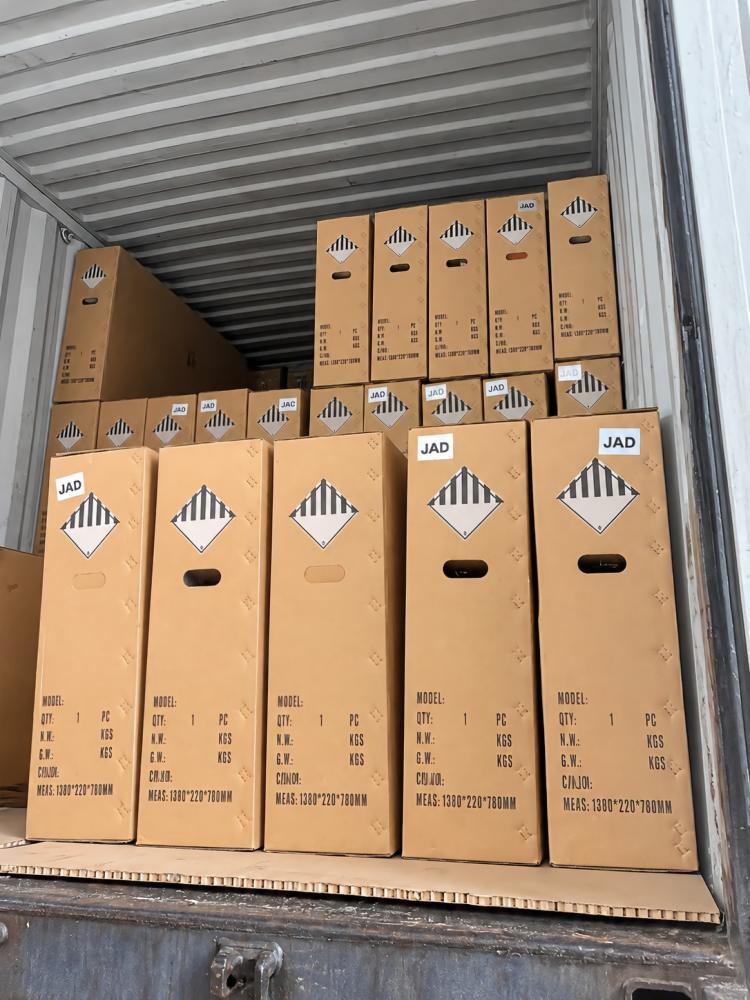
To ensure safe transportation of the electric bicycles and separately packaged lithium batteries in the same container, we prepared a detailed container loading plan before loading.
The plan specified:
Battery carton positioning within the container.
Appropriate separation and protective arrangements between batteries and bicycles.
Securing methods to minimize movement during transit.
Protective timber supports and cargo securing straps.
Loading photographs and container packing documentation.
Meanwhile, we coordinated with the shipping line through its dangerous goods booking channel and secured the DG vessel space at Shekou Port approximately three weeks in advance.
Before the vessel arrived in Rotterdam, we coordinated with our local Dutch logistics partner to prepare the relevant shipping and import documentation.
Our destination-side support included:
Advance review of dangerous goods shipping documents.
Coordination of import clearance documentation.
Communication with the local customs clearance agent.
Container pickup arrangements at Rotterdam Port.
Qualified local ADR trucking arrangements, as applicable to the cargo and transport requirements.
Final container delivery to the customer's warehouse.
The customer remained responsible for import customs clearance, duties, and applicable taxes, while we assisted with document coordination and destination logistics.
| Date | Milestone |
| March 3, 2025 | Shipping requirements confirmed and logistics solution finalized |
| March 4, 2025 | DG vessel booking confirmed |
| March 6, 2025 | Dangerous goods documentation pre-check completed |
| March 10, 2025 | Documentation approved |
| March 17, 2025 | Factory packaging and dangerous goods marking rechecked |
| March 19, 2025 | Container loaded at the Shenzhen factory; loading photographs and packing certificate completed |
| March 20, 2025 | Container gated in at Shekou Port before the DG cut-off |
| March 24, 2025 | Vessel departed from Shenzhen |
| April 23, 2025 | Vessel arrived at Rotterdam Port |
| April 25, 2025 | Import clearance completed and container released |
| April 29, 2025 | Container delivered to the customer's warehouse |
Challenge 1: Inconsistent Battery Model Information
During the preliminary documentation review, we discovered that the battery model listed in the UN38.3 test report did not exactly match the model description in the MSDS.
This inconsistency could have resulted in the shipping line rejecting the booking documents.
Our Solution: We immediately contacted the factory and testing organization to verify the correct battery model information. The relevant documents were updated and resubmitted, and the shipping line subsequently approved them. This process took approximately three additional days but helped prevent a potentially much longer shipping delay.
Challenge 2: Adjustments to the Mixed Cargo Loading Arrangement
The original loading arrangement presented a potential risk of electric bicycles pressing against the separately packaged battery cartons.
Our Solution: We redesigned the loading sequence and adjusted the battery carton positions to reduce external pressure and potential impact. Protective timber supports and securing straps were used to stabilize the cargo, and photographs were taken throughout the loading process for documentation and traceability.
Challenge 3: Tight Dangerous Goods Container Cut-Off
The factory's cargo preparation was delayed by one day, creating a potential risk of missing the earlier DG container cut-off at Shekou Port.
Our Solution: We proactively coordinated with the shipping line and terminal to adjust the container pickup and factory loading schedule. The container successfully entered the port before the dangerous goods cut-off, allowing it to depart on the originally scheduled vessel.
Challenge 4: Advance Coordination for Rotterdam Import Clearance
To avoid delays after arrival, the relevant shipping and dangerous goods documents needed to be reviewed before the container reached Rotterdam.
Our Solution: We provided the necessary shipment documents to our local Dutch logistics partner in advance and coordinated the review of dangerous goods declarations and import clearance paperwork. This preparation helped facilitate prompt customs clearance and container release.
The shipment was successfully delivered to the customer's warehouse in the Netherlands, achieving the following results:
The documents passed the shipping line's review without booking rejection. The container was loaded and gated in before the DG cut-off, and the shipment departed on the planned vessel without being rolled over.
After arriving at Rotterdam Port on April 23, 2025, the shipment completed import clearance and container release within 48 hours, on April 25.
All electric bicycles and separately packaged lithium-ion batteries arrived in good condition, with no reported physical damage or leakage. There was no customs detention or additional port storage charge attributable to documentation issues.
The container was delivered to the customer's designated warehouse on April 29, 2025, completing the shipment.
The customer was highly satisfied with the shipment's smooth execution, documentation coordination, and on-time vessel departure.
Compared with previous experiences involving document rejection and vessel rollovers, this shipment provided a more reliable and predictable logistics process.
Following the successful delivery, the customer continued entrusting us with its electric bicycle and lithium battery shipments from China to the Netherlands.
This project reinforced three important lessons for dangerous goods shipping:
Documentation discrepancies should be identified and corrected before submitting a formal DG booking application. A preliminary compliance review can help reduce the risk of booking rejection, missed vessels, and additional costs.
Dangerous goods shipping capacity is limited, and DG containers often have earlier port cut-off deadlines. Early booking and close coordination with shipping lines are essential to maintaining the shipping schedule.
Every shipment should have a dedicated document checklist covering battery specifications, test reports, MSDS versions, packaging details, dangerous goods declarations, and container loading records. Recording previous issues also helps improve the efficiency of subsequent shipments.
Shipping electric bicycles, lithium-ion batteries, and other Class 9 dangerous goods from China to Europe requires more than simply booking a container.
You need a logistics partner who understands dangerous goods documentation, DG vessel booking, container loading arrangements, destination coordination, and European delivery requirements.
We provide customized dangerous goods shipping solutions from Shenzhen and other major Chinese ports to the Netherlands and wider European markets.
Contact us for a shipping consultation and quotation.
Send us your cargo specifications, battery information, shipping quantity, and destination address. Our team will review your requirements and get back to you within two business days.
Email: service@gb-freight.com
WhatsApp: +86 135 1014 8872


